
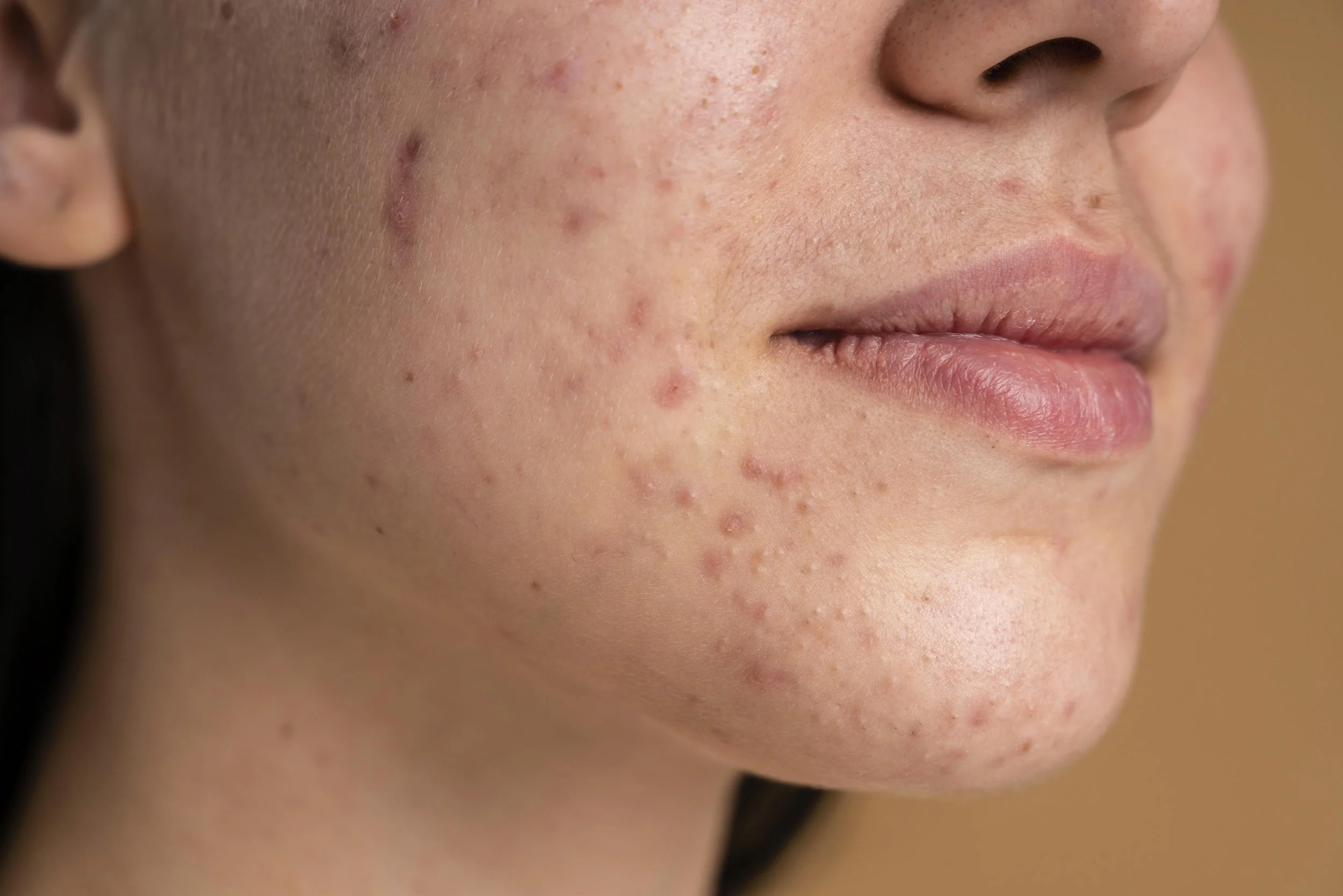
You may already know adapalene as an acne treatment, but what happens when the same ingredient becomes part of a skincare routine focused on clogged pores, uneven texture, fine lines, and visible signs of aging? And if you are choosing between adapalene, retinol, and tretinoin, how do you know which retinoid is actually right for your skin and your goals?
Adapalene for acne and aging has gained attention because it occupies a distinct position among topical retinoids. Originally developed for acne management, adapalene 0.1% is now available over the counter in the United States. Unlike retinol, adapalene is already an active retinoid and does not require the same conversion process before acting on the skin.
Its primary role remains acne care, particularly for clogged pores and recurring breakouts. At the same time, its effects on skin renewal make it relevant to concerns such as uneven texture and visible signs of aging. Understanding what adapalene is, how it differs from other retinoids, and where it fits into a skincare routine can help you decide whether it is appropriate for your concerns.
What Is Adapalene?
Adapalene is a synthetic, third-generation topical retinoid developed for acne treatment. It belongs to the vitamin A derivative family but has a different chemical structure and receptor profile from older retinoids such as tretinoin.
One of its distinguishing characteristics is that adapalene is already an active retinoid. This separates it from retinol, which undergoes conversion within the skin before reaching its active form.
Adapalene is also photostable, meaning its molecular structure remains stable when exposed to light. This characteristic contributes to its stability in topical formulations and distinguishes it from some earlier retinoid formulations.
How Does Adapalene Work on Acne?
Acne develops through several interconnected processes, including excess sebum, clogged follicles, abnormal buildup of skin cells, inflammation, and the activity of acne-associated bacteria.
Adapalene primarily works at the follicular level. It helps regulate the way skin cells develop and shed within the pore, reducing the buildup that can contribute to comedones such as blackheads and whiteheads.
Its anti-inflammatory activity also makes it relevant to inflammatory acne. Rather than functioning only as a spot treatment, adapalene is generally applied to acne-prone areas as part of a consistent treatment routine.
This preventive approach is important because acne can begin forming beneath the surface before a visible blemish develops.
Adapalene vs. Retinol: What Is the Difference?
Adapalene and retinol are both vitamin A derivatives, but they are not interchangeable.
Retinol is primarily used in cosmetic skincare and must undergo conversion before reaching its active retinoid form. Adapalene is already an active retinoid, which gives the two ingredients different roles in skincare.
Retinol is commonly incorporated into cosmetic routines focused on general skin maintenance, texture, and visible signs of aging. Adapalene, meanwhile, has a more established position in acne treatment.
For someone deciding between the two, the main consideration is the purpose of the routine. Adapalene is particularly relevant when acne and clogged pores are central concerns, while retinol may be selected for a broader cosmetic approach to skin aging and texture.
Adapalene vs. Tretinoin: How Do They Compare?
The adapalene vs tretinoin comparison involves differences in chemical structure, receptor activity, availability, and typical use.
Tretinoin is a prescription retinoic acid with an established role in acne treatment and photoaging. Adapalene was developed later as a more selective topical retinoid and is generally associated with better tolerability for many people using it for acne.
Availability is another important distinction. Adapalene 0.1% is available over the counter in the United States, while tretinoin generally requires a prescription.
The table below provides a side-by-side comparison of the two retinoids and their main characteristics.
| Feature | Adapalene | Tretinoin |
|---|---|---|
| Retinoid type | Synthetic third-generation retinoid | Retinoic acid |
| Primary use | Acne treatment | Acne and photoaging |
| OTC 0.1% availability in the US | Yes | No |
| Prescription formulations | Available in some concentrations and markets | Yes |
| Receptor activity | More selective | Less receptor-selective |
| Tolerability | Generally well tolerated for acne treatment | Can cause more irritation |
| Photoaging use | Can be considered for certain aging concerns | Established use |
Neither option is automatically better for every person. The appropriate retinoid depends on your primary concern, skin tolerance, treatment history, and whether prescription care is necessary.
Adapalene for Acne and Aging: Where Does It Fit?
Adapalene was developed primarily for acne, but its effects on skin renewal make it relevant when acne occurs alongside visible changes in skin texture and aging.
As skin matures, changes in renewal can contribute to a rougher surface, uneven texture, and the gradual appearance of fine lines. For someone dealing with both recurring breakouts and these concerns, adapalene for acne and aging can represent a practical overlap between acne management and long-term skin maintenance.
However, adapalene should not be positioned as a conventional wrinkle cream. Its primary role remains acne treatment, while its relevance to aging concerns comes from its activity on skin renewal.
Is Adapalene Good for Anti-Aging?
So, is adapalene good for anti-aging? It can have a place in an anti-aging routine, particularly when acne and visible skin aging occur together.
Its use may be relevant to concerns such as uneven texture and fine lines, but adapalene should not automatically be treated as the equivalent of a prescription retinoid specifically selected for photoaging.
For someone whose main concern is acne, adapalene can address the primary issue while also fitting into a broader routine focused on maintaining smoother-looking skin. If wrinkles, pigmentation, or photoaging are the main concerns, a dermatologist may recommend a different retinoid or treatment approach.
How to Use Adapalene in Your Skincare Routine
A simple routine is usually easier to maintain when introducing a retinoid. Since adapalene is the main treatment step, the remaining products can focus on cleansing, hydration, moisturization, and daytime protection.
Morning: Cleanser → Hydrating serum → Moisturizer → Sunscreen
Evening: Cleanser → Adapalene → Moisturizer
Apply adapalene in a thin layer to clean, dry skin rather than using a larger amount on individual blemishes. If your skin is sensitive, applying moisturizer before adapalene can provide a buffering layer during the initial adjustment period.
How Often Should You Use Adapalene 0.1%?
Adapalene 0.1% is commonly used once daily, but people new to retinoids may prefer to begin every other night before progressing toward more frequent application.
Only a thin layer is needed. Increasing the amount will not make adapalene work faster and may instead increase dryness, peeling, or redness.
Consistency is more useful than constantly adjusting the frequency. Give your skin time to become accustomed to the ingredient before deciding whether your routine needs to be changed.
Can Adapalene and Benzoyl Peroxide Be Used Together?
Adapalene and benzoyl peroxide can complement each other in an acne-focused routine because they address different aspects of acne.
Adapalene helps regulate processes within the pore, while benzoyl peroxide targets acne-associated bacteria and inflammation. A common routine is to use benzoyl peroxide in the morning and adapalene at night.
Morning: Cleanser → Benzoyl peroxide → Moisturizer → Sunscreen
Evening: Cleanser → Adapalene → Moisturizer
If your skin is sensitive, introduce the combination gradually rather than adding several active ingredients at once.
What Happens When You First Start Adapalene?
The first few weeks may involve an adjustment period. Dryness, peeling, tightness, mild redness, or increased sensitivity can occur as the skin becomes accustomed to the retinoid.
Some people also notice temporary changes in their breakouts. This is commonly described as purging, although not every breakout after starting adapalene should automatically be considered purging.
A gentle cleanser, moisturizer, and sunscreen can help keep the rest of the routine supportive while your skin adjusts. Severe or persistent irritation should be assessed by a dermatologist.
What Can You Use With Adapalene?
Adapalene can be combined with supportive skincare ingredients that serve different functions. Peptides are commonly used in routines focused on firmness and visible aging, while niacinamide can support overall skin conditioning and comfort.
The goal is not to layer as many active ingredients as possible. A well-planned routine gives each product a specific purpose while keeping the overall regimen manageable.
Differin for Wrinkles: What Should You Know?
Differin is a brand associated with adapalene, which is why the phrase Differin for wrinkles sometimes appears in discussions about using adapalene beyond acne care.
Differin 0.1% Gel is formulated primarily for acne rather than marketed as a dedicated wrinkle treatment. Its active ingredient, adapalene, belongs to the retinoid family and affects skin renewal, which is why it may also be relevant when acne occurs alongside early signs of aging.
If wrinkles and photoaging are your primary concerns, however, the most appropriate retinoid may differ from the one selected for acne. Your skin's condition, tolerance, and treatment goals should guide that decision.
When Should You Consider Tretinoin Instead?
Adapalene can be a practical starting point for someone seeking an accessible topical retinoid for acne. However, some people may eventually require a prescription option.
If acne remains difficult to control or aging-related concerns become the primary focus, a dermatologist can evaluate whether tretinoin or another treatment would be more appropriate.
The adapalene vs tretinoin decision is therefore not simply about choosing the stronger ingredient. It involves considering the condition being treated, previous retinoid use, skin tolerance, and the level of treatment required.
Who May Benefit From Adapalene?
Adapalene may be particularly relevant for people dealing with:
Recurring acne
Clogged pores
Blackheads and whiteheads
Acne alongside uneven texture
Acne with early visible signs of aging
A preference for an over-the-counter retinoid option
For people considering adapalene for acne and aging, its strongest role is in routines where acne remains an active concern while texture and early aging changes are also being addressed.
Retinoids are not appropriate for everyone, and certain situations require medical guidance before use. A dermatologist can help determine whether adapalene is suitable for your skin and how it should be incorporated into your treatment plan.
Products to Consider
Adapalene can serve as the main retinoid step, while complementary skincare can address hydration, moisturization, and visible signs of aging. This is particularly useful when your routine needs to manage acne while also supporting concerns such as fine lines, uneven texture, and loss of firmness.
ICONIQUE Revitalizing Collagen Face Serum
The ICONIQUE Revitalizing Collagen Face Serum is a suitable addition to an anti-aging routine that includes adapalene. While adapalene provides the retinoid component, the serum adds a dedicated skincare step focused on maintaining a smoother, hydrated, and more youthful-looking complexion.
Its collagen-focused formulation makes it relevant for routines concerned with fine lines, skin firmness, and visible signs of aging. Applied after cleansing and before moisturizer, it can provide additional hydration and conditioning while fitting naturally into a multi-step skincare routine.
For those using adapalene for acne while also addressing visible aging concerns, the combination gives each product a defined role: adapalene supports the retinoid step, while ICONIQUE Revitalizing Collagen Face Serum provides additional anti-aging skincare support.
Botanifique Gold Era 24K Moisturizing Cream
Moisturization is an important part of a routine that includes adapalene, particularly when the skin experiences dryness or tightness during the adjustment period. The Botanifique Gold Era 24K Moisturizing Cream can be used as the final step of an evening routine to provide nourishing moisture and leave the skin feeling soft and conditioned.
Its 24K gold-focused formulation also gives it a distinct position within an anti-aging skincare routine, making it an option for those looking for a more luxurious moisturizing step alongside their targeted treatments.
Apply it after your serum as the final step of your evening routine. It can also be used as part of a broader skincare regimen focused on maintaining moisture, comfort, and a healthy-looking complexion.
Together, these products create a complementary routine in which each step serves a specific purpose. Adapalene provides the retinoid treatment, ICONIQUE Revitalizing Collagen Face Serum adds targeted anti-aging support, and Botanifique Gold Era 24K Moisturizing Cream completes the routine with nourishing moisture.
A More Practical Way to Approach Adapalene
Adapalene does not need to be treated as an all-purpose solution. Its clearest role is acne management, while its relevance to aging concerns comes from the same retinoid activity that makes it useful for skin renewal.
If you are considering adapalene for acne and aging, start by identifying which concern matters most to you. From there, the concentration, frequency, supporting products, and whether professional treatment is necessary become easier to determine.
A consistent routine is ultimately more useful than an overloaded one. Adapalene can serve as the central active, while appropriate cleansing, moisturization, and daily sun protection provide the foundation around it.
Ready to start a retinoid routine?

If you are unsure whether adapalene is appropriate for your skin or whether your concerns would benefit from a different treatment approach, book an appointment with Elite Skin Perfection for a professional skin assessment and personalized recommendations.
