

Choosing a facial cleanser involves more than deciding between a foaming or creamy texture. Different cleanser formats provide different application experiences, but texture alone does not determine whether a product is suitable for the skin. When comparing foaming cleanser vs cream cleanser, factors such as formulation, skin characteristics, cleansing habits, and the rest of the skincare routine should also be considered.
A cleanser is an important part of daily facial care because it helps remove accumulated oil, impurities, makeup, sunscreen, and other products from the skin's surface. However, cleansing should remain appropriate for the skin rather than becoming an unnecessarily aggressive step. The right formula should provide effective cleansing while maintaining a comfortable experience during and after use.
For this reason, a proper facial cleanser comparison should look at the differences between cleanser formats while recognizing that individual skin needs vary. Someone looking for an oily skin cleanser may prefer a lightweight, fresh cleansing experience, while someone searching for a dry skin cleanser may prefer a richer texture. These preferences can overlap, and the same cleanser format may work differently depending on the formulation and the individual's routine.
For those who prefer a foaming cleanser, Botanifique Re Fresh Foaming Cleanser provides a rich cleansing experience designed to remove impurities while leaving the skin feeling fresh and moisturized. Its foaming format makes it a natural addition to the cleansing step of a daily skincare routine. It can also be incorporated alongside other products in the Botanifique facial care as part of a complete facial care regimen.
What Is the Difference Between a Foaming Cleanser and a Cream Cleanser?
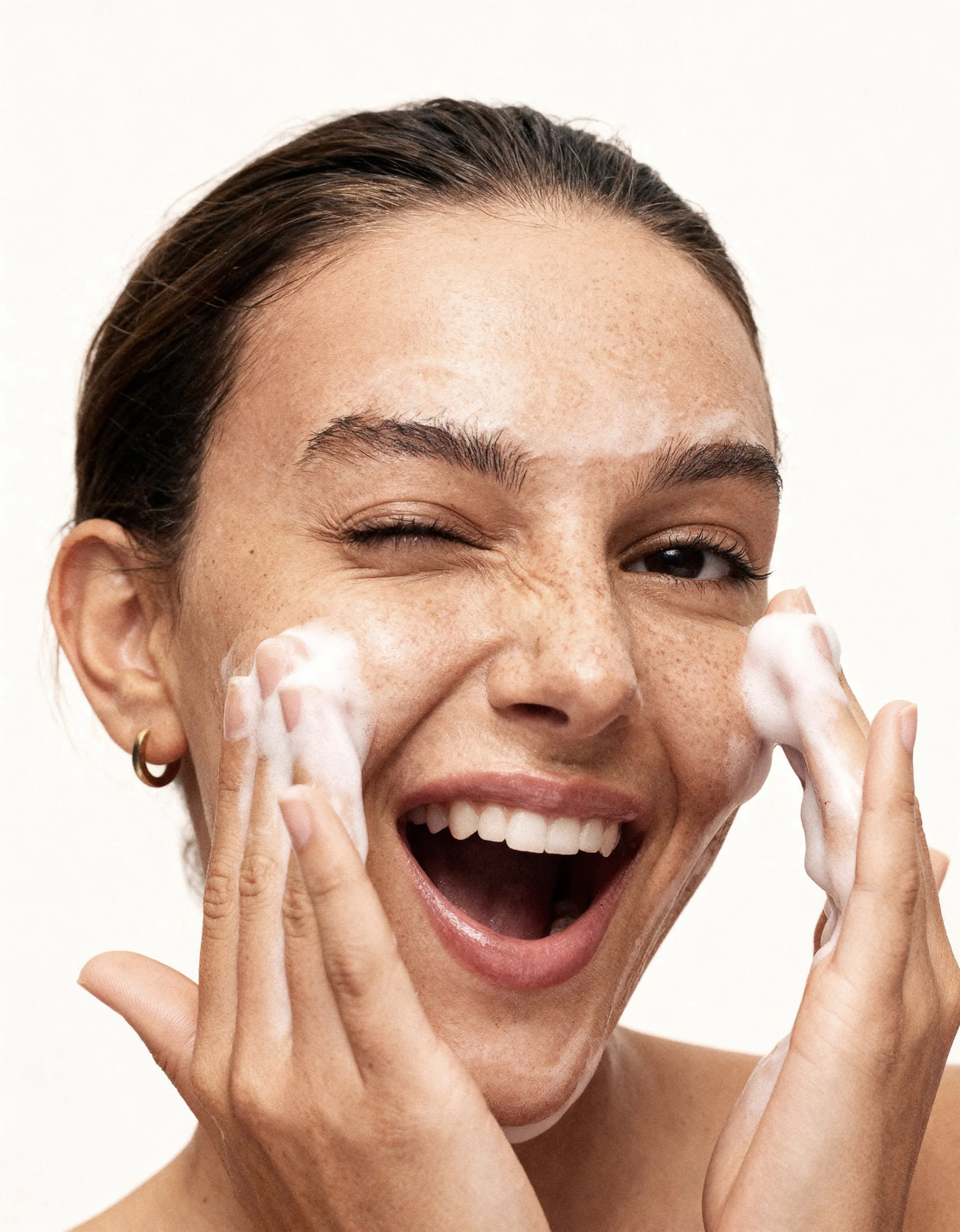
The primary difference between foaming and cream cleansers is their texture and the sensory experience they provide during application. Foaming cleansers typically create a lather when combined with water, resulting in a lightweight and refreshing feel. Cream cleansers generally have a thicker consistency and provide a softer, more cushioned application without relying on a prominent lather.
These differences can influence personal preference and how a cleanser fits into a skincare routine. A person who enjoys a light, fresh cleansing experience may naturally gravitate toward a foaming formula, while someone who prefers a richer texture may find a cream cleanser more comfortable. Neither preference, however, establishes that one format is universally better.
The formulation remains more important than the texture alone. Two foaming cleansers can provide different experiences, just as two cream cleansers can differ significantly in how they feel on the skin. Ingredients, cleansing agents, intended use, and individual skin response should therefore be considered when making a selection.
| Evaluation Factor | Foaming Cleanser | Cream Cleanser |
|---|---|---|
| Texture | Light and lathering | Rich and creamy |
| Cleansing feel | Fresh and lightweight | Soft and cushioned |
| Oily skin considerations | May appeal to those who prefer a fresh cleansing experience | Can be suitable depending on the formulation |
| Dry skin considerations | Depends on the formulation and individual response | May appeal to those who prefer a richer texture |
| Combination skin | Consider how it feels across different areas | Consider whether the richer texture feels comfortable |
| Main consideration | Formula, comfort, and skin response | Formula, comfort, and skin response |
Foaming Cleansers: What to Know
Foaming cleansers are known for their light texture and lathering action, which provide a fresh cleansing experience. When mixed with water, the formula creates foam that spreads easily across the face, making it convenient for everyday cleansing. The amount of foam, however, does not determine whether a cleanser is effective or appropriate for a particular skin type.
The cleansing experience of a foaming formula largely depends on its overall formulation. Ingredients, cleansing agents, and the way the product is used can influence how the skin feels after washing. For this reason, foam should be viewed as a texture characteristic rather than an indication that a cleanser is automatically stronger or harsher.
Foaming cleansers may appeal to people who prefer a lightweight and refreshing step in their skincare routine. They can also be considered by individuals with oily or combination skin who enjoy a clean, fresh finish after cleansing. However, skin type alone should not determine the choice, as individual skin response and the rest of the skincare routine are equally important.
For those interested in this cleanser format,Botanifique Re Fresh Foaming Cleanser offers a rich foaming texture for the cleansing step. Its formula is designed to remove impurities while helping the skin feel fresh and moisturized.
Cream Cleansers: What to Know
Cream cleansers generally have a thicker and richer consistency than foaming formulas. Their texture creates a more cushioned application, making them appealing to individuals who prefer a softer cleansing experience. Instead of focusing on a noticeable lather, cream cleansers typically provide a smooth texture that can feel more substantial during application.
This type of cleanser is often considered by people who experience dryness or discomfort during cleansing. A richer texture may be preferred when the skin feels less comfortable with lightweight or highly refreshing products. However, a cream consistency does not automatically make a cleanser suitable for every person with dry skin.
The complete formulation should remain the primary consideration. A cream cleanser can be appropriate for different skin types depending on its ingredients, intended use, and how the skin responds. Individuals with combination or oily skin may also prefer a creamier texture at certain times, particularly when environmental conditions or their skincare routine change.
When selecting a cream cleanser, it is therefore useful to evaluate the product as part of the entire routine. The goal is to find a formula that provides the desired cleansing experience without creating unnecessary discomfort. Texture can guide personal preference, but it should not replace consideration of formulation and individual skin needs.
Is a Foaming Cleanser Better for Oily Skin?
A foaming cleanser may be appealing to people with oily skin because of its light texture and fresh cleansing sensation. The lather can make the washing process feel refreshing, particularly after exposure to warm or humid conditions. However, the presence of foam does not determine whether a cleanser is the most appropriate choice for oily skin.
When choosing an oily skin cleanser, it is more useful to consider how the skin feels after cleansing. A product that leaves the skin feeling clean and comfortable may be a better fit than one selected solely because it produces a large amount of foam. Stronger cleansing sensations should not automatically be interpreted as better results.
Oily skin can also have different characteristics across the face. Someone may experience more oil in the T-zone while having comparatively normal or dry areas on the cheeks. A cleanser should therefore be considered based on the condition of the entire face rather than the areas with the highest oil production alone.
The rest of the skincare routine should also be taken into account. If other products already address specific concerns, the cleanser does not necessarily need to provide every type of skincare benefit. A balanced routine can help ensure that cleansing remains practical and comfortable.
Is a Cream Cleanser Better for Dry Skin?
A cream cleanser may be preferred by people with dry skin because of its richer texture and cushioned application. Compared with a lightweight foaming formula, a cream cleanser can provide a different sensory experience that some people find more comfortable. This makes cream cleansers a common consideration when selecting a dry skin cleanser.
However, texture alone cannot determine whether a cleanser is appropriate for dry skin. The complete formulation, cleansing frequency, application method, and the products used afterward can all influence the skin's overall experience. A rich texture may be appealing, but it should still be evaluated based on how the skin responds.
Dryness can also vary from one person to another and may change with environmental conditions. Air conditioning, weather, travel, and changes in skincare products can influence how the skin feels during the day. A cleanser that feels comfortable under one set of conditions may feel different when the surrounding environment or routine changes.
For this reason, people with dry skin should consider comfort after cleansing rather than relying only on the label or texture of a product. A suitable dry skin cleanser should fit naturally into the person's routine and provide an appropriate cleansing experience without unnecessary discomfort.
Can Oily Skin Use a Cream Cleanser?
Oily skin does not automatically require a foaming cleanser. A cream cleanser may still be appropriate when its formulation works well with the person's skin and routine. The richer texture can also be preferred by individuals who want a softer cleansing experience without relying on a strong lather.
The amount of oil present on the skin is only one factor to consider. Combination skin, environmental changes, and the use of other skincare products can all affect how the skin feels throughout the day. Someone with oily skin may therefore have periods when a different cleanser texture feels more comfortable.
A cream cleanser can also be considered when the skin's needs change temporarily. For example, a person who normally prefers a lightweight cleanser may find a richer texture more appealing during periods of dryness or increased exposure to air conditioning. This does not mean that one cleanser format is permanently better; it simply reflects changes in routine and skin condition.
When choosing an oily skin cleanser, the priority should be the complete formulation and the skin's response. A cleanser does not need to produce a strong lather to be considered suitable for oily skin.
Can Dry Skin Use a Foaming Cleanser?
Dry skin does not automatically rule out foaming cleansers. A foaming formula may still be appropriate when its formulation provides a comfortable cleansing experience for the individual. The important distinction is between the presence of foam and the characteristics of the complete product.
People with dry skin who prefer a foaming texture can consider factors such as cleansing frequency, application technique, and how the skin feels afterward. These details can make a meaningful difference to the overall cleansing experience. The cleanser should fit comfortably into the routine rather than being selected or rejected solely because it produces foam.
It is also important to consider what happens after cleansing. Serums, moisturizers, and other leave-on products can contribute to the rest of the skincare routine, so the cleanser does not need to perform every function. Evaluating the routine as a whole provides a more useful approach than judging a single product in isolation.
This is why the foaming cleanser vs cream cleanser comparison cannot be reduced to a rule that assigns foaming formulas to oily skin and cream formulas to dry skin. Individual response remains an important part of the decision.
Does Foam Mean a Cleanser Is Harsh?
Foam describes the texture and lathering experience of a cleanser, but it does not provide enough information to determine how strong the overall formula is. Different foaming cleansers can contain different ingredients and cleansing agents, resulting in different experiences. The same principle applies to cream cleansers.
A cleanser that produces a noticeable lather is not automatically too strong for the skin. Likewise, a cleanser that produces little or no foam is not automatically gentler. The complete formulation and the way the product is used are more useful factors when evaluating how a cleanser may feel.
Application also matters. Using excessive amounts of product, rubbing the skin aggressively, or cleansing more frequently than necessary can affect the overall experience regardless of the cleanser's texture. A thoughtful cleansing routine should focus on effective application rather than creating the strongest possible cleansing sensation.
When evaluating an oily skin cleanser or dry skin cleanser, it is therefore better to look beyond foam. Texture can influence preference, but it should not be used as the only indicator of a product's suitability.
How Should You Choose Between the Two?
Choosing between a foaming cleanser and a cream cleanser should begin with the cleansing experience you prefer. A foaming cleanser may be appealing if you enjoy a light, lathering texture, while a cream cleanser may be preferable if you want a richer and more cushioned application. Personal preference is a legitimate part of selecting a product because a routine is easier to maintain when the products feel comfortable to use.
The next consideration should be how the skin responds after cleansing. Pay attention to whether the skin feels appropriately clean and comfortable rather than focusing only on the immediate sensation during washing. Changes in tightness, dryness, oiliness, or general comfort can provide useful information when reviewing a cleanser.
The rest of the skincare routine should also influence the decision. Consider the products used before and after cleansing, how often the face is washed, and whether environmental conditions affect the skin. These factors provide a broader picture of what the cleansing step needs to accomplish.
Ultimately, the better choice is the cleanser that fits the individual's skin characteristics, preferences, and routine. There is no need to select a product based solely on whether it is marketed as a foaming or cream cleanser.
Consider Your Skin Beyond Its Label
Skin-type categories can provide useful guidance, but they do not describe every characteristic of an individual's skin. A person may have an oily T-zone and drier cheeks, while another may experience changes in skin comfort depending on the season. These differences make it difficult to establish one cleanser format as the universal choice for a particular skin type.
Combination skin is a clear example of why a broader assessment can be useful. Different areas of the face may respond differently to cleansing, and the preferred texture may depend on the overall experience. A cleanser that feels comfortable across the face can be more practical than one selected only for its suitability for a single area.
Skin characteristics can also change over time. Weather, lifestyle, travel, skincare products, and cleansing habits may all influence how the skin feels. This does not necessarily mean that a complete routine needs to be replaced whenever a change occurs, but it can be useful to reassess whether the current cleanser remains appropriate.
Looking beyond the skin-type label allows cleanser selection to become more individualized. Instead of asking whether a cleanser is specifically for oily or dry skin, consider how its formulation and texture fit the skin's current condition.
Climate and Cleansing in the Philippines
The Philippine climate can influence daily skincare preferences, particularly because people may regularly experience warm temperatures and humid conditions. These environmental factors can make a lightweight and refreshing cleansing experience appealing to some individuals. However, climate should be considered as one factor among several rather than as a reason for everyone to use the same cleanser.
Air conditioning can also affect the way the skin feels throughout the day. Spending long periods in heavily air-conditioned environments may create a different experience from spending time outdoors in warm and humid conditions. People who move between these environments may notice changes in their skin's comfort and cleansing preferences.
These differences are especially relevant when developing a routine for everyday use. A person may prefer a lightweight cleanser during periods when the skin feels oilier and a richer texture when the skin feels less comfortable. The decision should still be based on the individual's response rather than a general rule about living in a particular climate.
For skincare users in the Philippines, observing how the skin responds to both environmental conditions and cleansing habits can provide useful guidance. This approach allows cleanser selection to remain flexible while maintaining consistency in the overall routine.
Botanifique Re Fresh Foaming Cleanser
For those looking for a foaming cleanser,Botanifique Re Fresh Foaming Cleanser offers a rich foaming texture designed for the cleansing step. The formula is intended to remove impurities while helping the skin feel fresh and moisturized after cleansing. This makes it relevant for individuals who prefer a foaming format as part of their facial care routine.
The product can be used as part of a broader skincare regimen rather than being viewed as a replacement for every other skincare step. Cleansing serves a different purpose from leave-on products such as serums and moisturizers, which can be applied afterward according to individual skincare needs. Building a routine around these distinct roles can make product selection more organized and practical.
Botanifique Re Fresh Foaming Cleanser can also be considered alongside other products in the Botanifique facial care. Looking at products within the same range can help users identify options for different stages of facial care while keeping their individual preferences in mind.
As with any skincare product, the cleanser should be considered according to its intended use and how it fits into the overall routine. Texture preference, skin characteristics, cleansing habits, and environmental conditions can all influence whether a particular product is a practical choice.
Where Does a Cleanser Fit in Your Skincare Routine?
Cleansing generally serves as one of the first steps in a facial skincare routine. It helps remove substances that have accumulated on the skin and prepares the face for subsequent products. The exact cleansing routine can vary depending on whether the person is following a morning or evening regimen.
A basic daytime routine may include cleansing followed by serum, moisturizer, and sunscreen. In the evening, cleansing can be followed by treatments and moisturizing products selected according to individual preferences. People who wear makeup or use multiple products may also place greater emphasis on thorough evening cleansing.
The purpose of the cleanser should remain clear within the routine. It does not need to replace the role of a moisturizer, serum, or treatment product. Keeping each step focused on its intended purpose can make the overall routine easier to understand and maintain.
The Botanifique facial care can be explored when considering products for different stages of facial care. Selecting products according to their role can help create a routine that is structured without becoming unnecessarily complicated.
Should You Change Your Cleanser When Your Skin Changes?
Changes in the skin can affect how a cleanser feels and how well it fits into a routine. Weather, travel, air conditioning, makeup use, and changes to other skincare products may all influence the skin's condition. A cleanser that previously felt comfortable may therefore need to be reassessed when circumstances change.
Reassessing a cleanser does not necessarily mean replacing it immediately. It can begin with reviewing how often the product is used, how much is applied, and how it is incorporated into the rest of the routine. These details may reveal that the issue is related to cleansing habits rather than the cleanser format itself.
If the skin continues to feel different, the complete routine can be reviewed. Consider whether other products have recently been introduced, whether the environment has changed, or whether cleansing frequency has increased. Looking at these factors together provides a more informed basis for making adjustments.
A flexible approach can help maintain a practical skincare routine over time. Rather than following a fixed cleanser rule, users can pay attention to their skin and reassess their products when there is a clear change in comfort or routine needs.
Common Mistakes When Choosing a Cleanser
One common mistake is selecting a cleanser based entirely on how much it foams. A large amount of lather may create a satisfying cleansing sensation, but it does not determine the overall quality or suitability of the formula. Looking only at foam can cause other important factors to be overlooked.
Another mistake is assuming that cream cleansers are automatically better for dry skin or that foaming cleansers are automatically better for oily skin. These assumptions simplify skincare selection too much because formulations and individual skin responses can vary considerably. A cleanser should be evaluated based on how it performs rather than on its category alone.
Choosing products solely because they are marketed for a particular skin type can also be limiting. Skin can have several characteristics at the same time, and those characteristics may change depending on environmental and routine factors. A person may therefore benefit from evaluating the entire facial condition rather than relying on a single label.
Finally, adding multiple cleanser formats without a clear purpose can make a routine unnecessarily complicated. If one cleanser already provides a comfortable and practical cleansing experience, there may be no reason to alternate between several products. The focus should remain on maintaining a routine that is appropriate, consistent, and easy to follow.
How Often Should You Cleanse?
Cleansing frequency should be based on the product's intended directions and the individual's daily routine. Morning and evening cleansing may serve different practical purposes depending on the products used and the person's lifestyle. The goal is to maintain an appropriate cleansing routine rather than simply increasing the number of times the face is washed.
Evening cleansing can be particularly relevant for people who wear makeup, sunscreen, or other facial products throughout the day. These products may require appropriate removal before the nighttime skincare routine is applied. The specific approach can vary depending on what has been used during the day.
More frequent cleansing does not automatically result in better skincare. Cleansing should be carried out with an appropriate amount of product and gentle application rather than excessive rubbing or repeated washing. The way the cleanser is used can influence the overall experience just as much as the product format.
Following the intended directions of the chosen cleanser provides a practical starting point. From there, users can consider how their skin responds and whether the cleansing schedule works comfortably with the rest of their routine.
Can You Use Different Cleanser Types?
Using different cleanser formats can be appropriate when there is a clear reason for doing so. Some people may prefer one cleanser for everyday use and another during periods when their skin or environment changes. However, there is no requirement to use multiple cleanser types simply because they offer different textures.
A second cleanser may be considered when a person's routine changes or when a different cleansing experience is preferred. The decision should be based on a practical need rather than the assumption that using more products automatically creates a better routine. Simplicity can be beneficial when it makes the routine easier to follow consistently.
Switching between products should also be approached thoughtfully. Introducing several changes at once can make it difficult to determine which product is responsible for a change in the skin's experience. Evaluating products individually can provide clearer insight into what works well within the routine.
If one cleanser already feels comfortable and performs its intended role, there may be little reason to introduce another format. Consistency and suitability are generally more useful goals than unnecessary variety.
How to Build a Simple Cleansing Routine
A simple cleansing routine starts with selecting a formula that suits the individual's preferences and current skin needs. The cleanser should be used according to its directions, with gentle application and appropriate rinsing. Avoiding unnecessary rubbing can help make the cleansing step more comfortable and practical.
After cleansing, users can continue with the leave-on products that form the rest of their routine. Daytime care may include moisturizer and sunscreen, while evening care may include targeted treatments and moisturizing products. The exact combination depends on individual skincare goals and product choices.
The number of products does not determine whether a routine is well structured. A routine can remain practical when each product has a clear purpose. Keeping the cleansing step simple can also make it easier to maintain the routine consistently.
For those exploring a complete facial care regimen, the Botanifique facial care provides additional products that can be considered alongside the cleansing step. Each product can be evaluated according to its intended role and compatibility with the rest of the routine.
Foaming Cleanser vs Cream Cleanser: Which Is Better?
The comparison between a foaming cleanser and a cream cleanser ultimately depends on individual preferences, skin characteristics, formulation, and routine compatibility. Foaming cleansers generally provide a lighter and more lathering experience, while cream cleansers offer a richer and more cushioned texture. These differences can influence personal preference without establishing one format as universally superior.
Skin type can provide useful guidance, but it should not be the only basis for choosing a cleanser. Oily skin may respond well to a lightweight cleansing experience, while dry skin may lead some individuals to prefer a richer texture. However, both foaming and cream formulas can be considered across different skin types depending on their formulations and how the skin responds.
A useful facial cleanser comparison should therefore consider several factors together, including texture, cleansing feel, skin response, environment, and compatibility with the rest of the skincare routine. This broader approach provides more useful guidance than simply assigning a cleanser format to oily or dry skin.
| Evaluation Factor | Foaming Cleanser | Cream Cleanser |
|---|---|---|
| Texture | Light and lathering | Rich and creamy |
| Cleansing feel | Fresh and lightweight | Soft and cushioned |
| Oily skin considerations | May appeal to those who prefer a fresh cleansing experience | Can be suitable depending on formulation |
| Dry skin considerations | Depends on formulation and individual response | May appeal to those who prefer a richer texture |
| Combination skin | Consider comfort across different areas | Consider comfort across different areas |
| Daily use | Follow product directions | Follow product directions |
| Selection priority | Formula, comfort, and skin response | Formula, comfort, and skin response |
Frequently Asked Questions
Is a foaming cleanser better than a cream cleanser?
Neither format is universally better. The more appropriate option depends on the formulation, skin characteristics, cleansing preferences, and how the product fits into the overall skincare routine.
Is a foaming cleanser suitable for dry skin?
A foaming cleanser can be considered for dry skin when the specific formulation and individual response make it comfortable to use. Foam itself does not determine whether a cleanser is appropriate for dry skin.
Is a cream cleanser suitable for oily skin?
A cream cleanser can be considered for oily skin depending on its formulation and the user's preferences. Oily skin does not automatically require a foaming cleanser.
What should I look for in an oily skin cleanser?
When selecting an oily skin cleanser, consider the complete formulation, cleansing experience, and how the skin feels after use. Avoid choosing a product based only on the amount of foam it produces.
What should I look for in a dry skin cleanser?
A dry skin cleanser should provide a comfortable cleansing experience that fits naturally into the rest of the routine. Texture, formulation, cleansing habits, and individual skin response should all be considered.
Does more foam mean better cleansing?
No. Foam primarily affects the texture and sensory experience of a cleanser. The amount of foam does not, by itself, determine how effective or appropriate the complete formula is.
Can a cleanser be used every day?
If the product is intended for regular use, follow the manufacturer's directions and consider how the skin responds. Cleansing frequency should also fit the person's overall skincare routine.
Choose a Cleanser That Fits Your Routine
Choosing between a foaming cleanser vs cream cleanser does not require following a fixed rule based solely on skin type. Foaming cleansers provide a light, lathering experience, while cream cleansers offer a richer and more cushioned texture. The more appropriate choice depends on the formulation, personal preference, skin response, and the role of the cleanser within the complete skincare routine.
A thoughtful facial cleanser comparison should also consider environmental conditions, cleansing habits, and changes in the skin. Oily, dry, and combination skin can each have different requirements, and those requirements may change over time. Looking at the complete picture allows cleanser selection to become more practical and individualized.

For those who prefer a foaming cleanser, Botanifique Re Fresh Foaming Cleanser provides a rich cleansing experience while helping the skin feel fresh and moisturized. It can be incorporated into a daily facial care routine and considered alongside other products in the Botanifique facial care.
Ultimately, the most suitable cleanser is not determined simply by whether it produces foam or has a creamy texture. A well-chosen cleanser should provide an appropriate cleansing experience while fitting comfortably and consistently into the user's skincare routine.
