
How to Introduce Botanical Skincare Without Irritating Your Routine
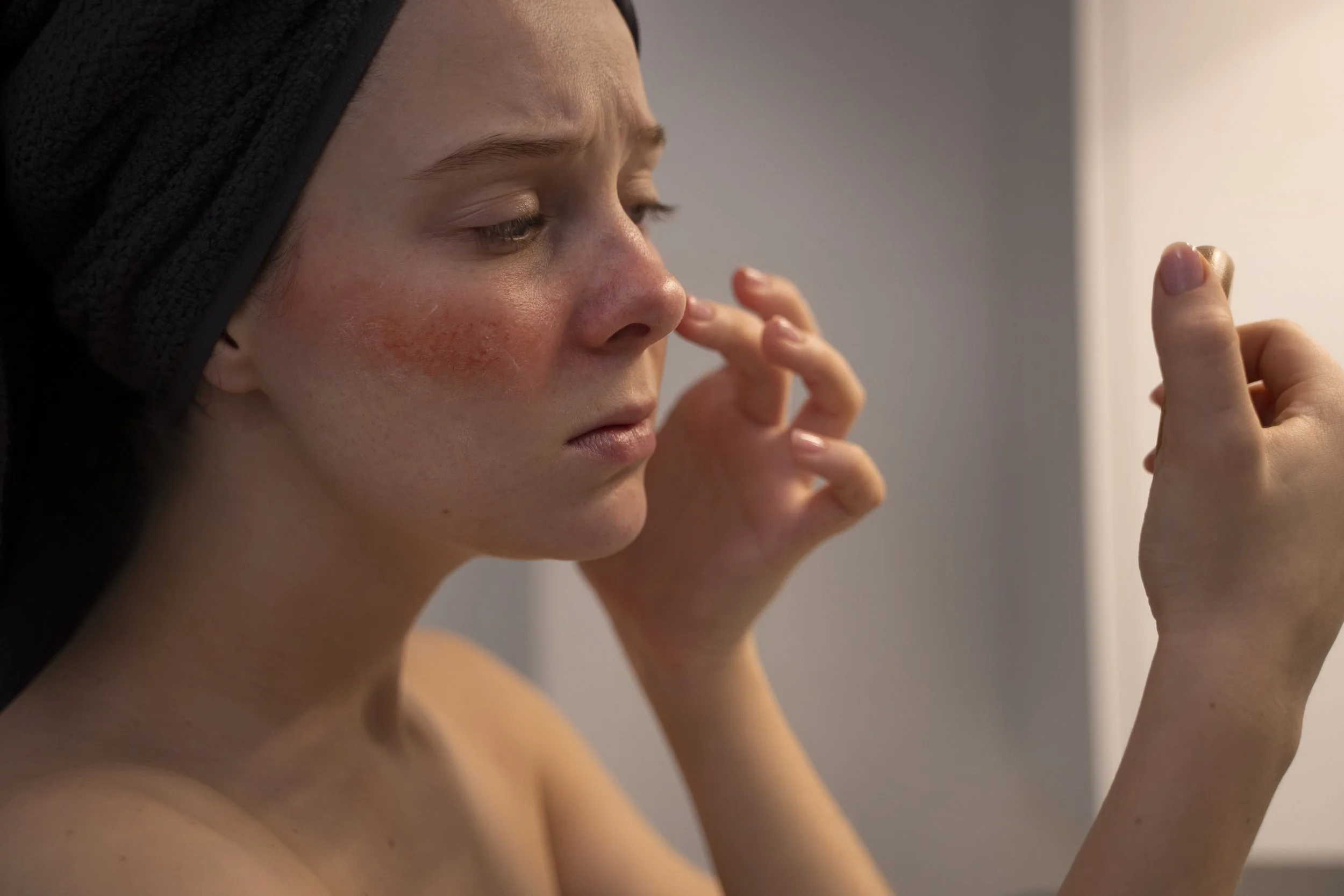
Botanical skincare can be an appealing way to refresh your routine. Plant extracts, oils, fruits, flowers, and other botanical ingredients are often associated with a more nature-focused approach to beauty. For someone trying this type of skincare for the first time, however, it is important to remember that botanical does not automatically mean gentle or suitable for everyone.
When introducing botanical skincare, the safest approach is to go slowly, test new products, and avoid changing your entire routine at once.
Testing new skincare products before adding them to a routine because even products that seem suitable can cause irritation or allergic contact dermatitis. The U.S. Food and Drug Administration (FDA) also explains that natural or organic ingredients are not automatically safer simply because they come from plants.
That does not mean botanical skincare should be avoided. It simply means it should be introduced thoughtfully.
What Is Botanical Skincare?
Botanical skincare generally refers to cosmetic products that include ingredients derived from plants, such as extracts, oils, fruits, flowers, and herbs.
Botanifique is specifically positioned around combining botanical ingredients with cosmetic technology. The brand uses plants, oils, and fruit extracts as part of its skincare approach.
The current Botanifique range includes different collections rather than one single routine. The Botanifique Everyday Facial Care Collection includes cleansers, serums, moisturizers, eye care, and masks, while the Hydra Power Collection focuses on hydration-oriented products.
This variety means consumers can choose individual products instead of feeling that they need to adopt an entire collection immediately.
Why Introduce New Products Gradually?
One of the easiest ways to make a skincare routine confusing is to change several things at once.
Imagine starting a new cleanser, serum, moisturizer, and mask on the same day. If your skin becomes irritated, you may have no idea which product caused it.
Testing skincare products before fully incorporating them and notes that introducing products one at a time can make it easier to identify potential reactions. A gradual approach also makes your routine easier to maintain. Instead of changing everything, choose one product that fills a clear gap.
For example:
Existing routine + new botanical cleanser
Once you are comfortable with that product, you can consider adding a serum.
Later, you may decide to change your moisturizer.
There is no need to rush.
Botanical Does Not Mean Irritation-Free
"Botanical" can sometimes sound synonymous with "gentle," but that is not necessarily true. Ingredient's source does not determine its safety. Some naturally derived ingredients can still be irritating or allergenic. Fragrances and some preservatives among common categories of cosmetic allergens. Consumers remain cautious with plant-based botanical products because they may still contain fragrance-related ingredients.
So rather than asking only, "Is this natural?", ask:
What is in the formula?
What is the product designed to do?
How should it be used?
Does it suit my skin?
These questions are much more useful when choosing new skincare products.
Step 1: Choose One Product
Start with one botanical product. A cleanser can be a practical place to begin because it fits naturally into an established routine. For example, Botanifique Re Fresh Foaming Cleanser is described by Èlitè Skin Perfection as a rich cleanser that removes impurities while helping the skin feel moisturized and refreshed. You could replace your existing cleanser with it while leaving the rest of your routine unchanged. This creates a simple way to observe your skin before introducing another product. If your current cleanser already works well, you may instead choose a serum as your first botanical addition. The point is to start with one change at a time.
Step 2: Patch Test Botanical Skincare
Patch testing botanical skincare is one of the most useful precautions when trying something unfamiliar.
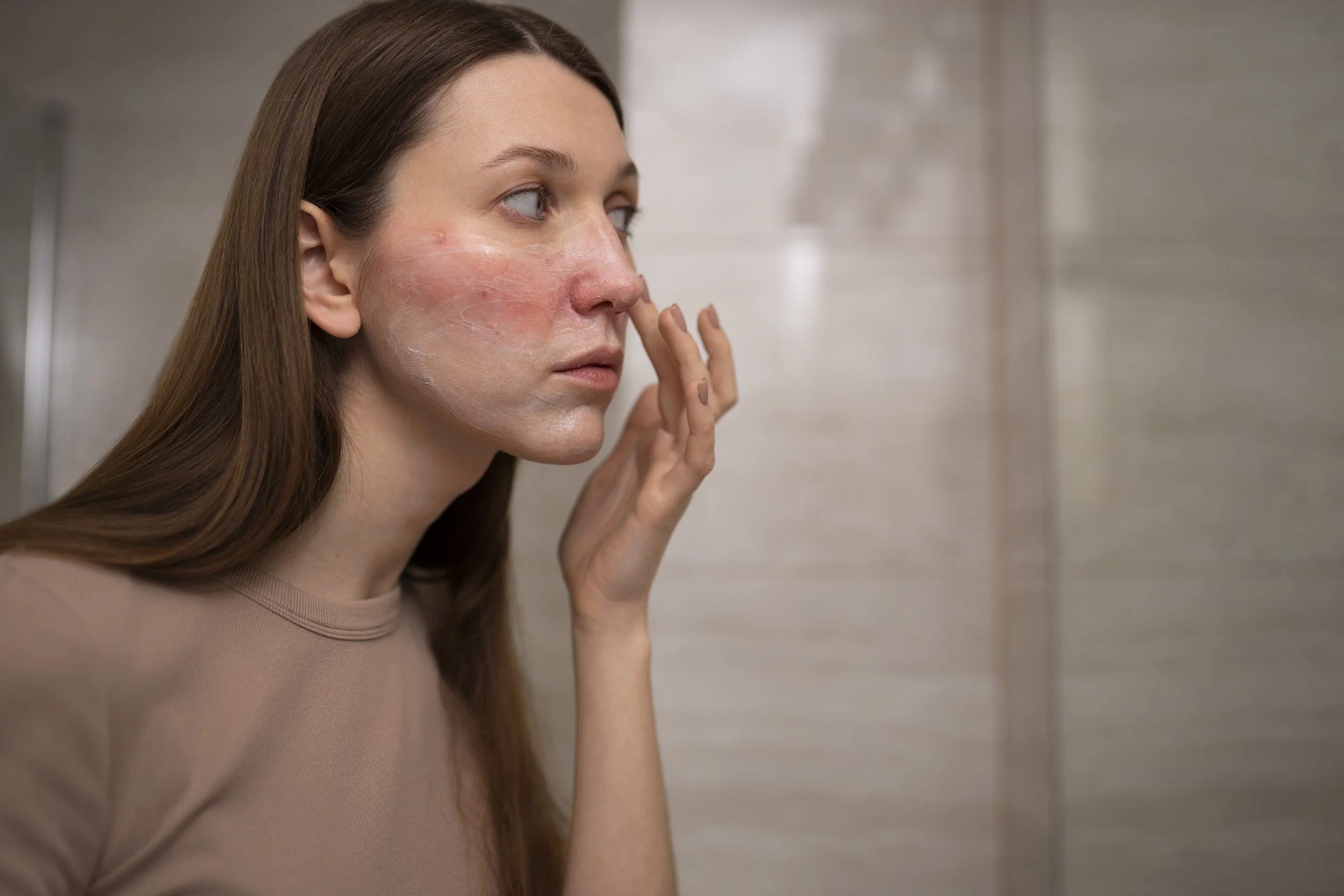
Applying a new skincare product to a small test area twice a day for seven to ten days before using it more broadly. It suggests an area such as the underside of the arm or bend of the elbow, where the product is less likely to be washed or rubbed away. Use the normal amount and thickness you would use on the skin. For a wash-off product such as a cleanser, leave it on the test area only for the amount of time recommended in the product directions. If your skin develops redness, itching, swelling, or another reaction, wash the product off and stop using it.
At-Home Testing vs Medical Patch Testing
These two terms should not be confused. An at-home product test is a precaution before introducing a cosmetic. A medical patch test is a diagnostic procedure that a dermatologist may use to identify substances responsible for allergic contact dermatitis. Medical patch testing involves controlled application of potential allergens and evaluation of the skin's response. If you repeatedly react to skincare products, a dermatologist can help determine whether medical patch testing is appropriate.
Step 3: Keep the Rest of Your Routine Familiar
Once you choose a new botanical product, avoid changing everything else.
For example, if you introduce a serum, keep your cleanser and moisturizer the same.
A simple routine could be:
Morning: Cleanser → Moisturizer → Sunscreen
Evening: Cleanser → New Botanical Serum → Moisturizer
This makes it easier to recognize how your new product fits into your routine.
It also reduces the chance of accidentally creating an overly complicated routine.
Step 4: Introduce Products by Category
Botanical skincare covers many different categories, so introduce them according to what your routine actually needs.
Cleanser
The Botanifique Everyday Facial Care Collection currently includes Re Fresh Foaming Cleanser as well as other products designed for everyday facial care. Start here when cleansing is the part of your routine you want to change.
Serum
If hydration or another targeted concern is your priority, a serum may be the next category to explore. The Botanifique Hydra Power Collection includes Hydra Power Enriching Serum alongside Hydra Power Moisturizing Cream and other products. Introduce the serum separately rather than adding the entire collection at once.
Moisturizer
Moisturizer can remain the stable finishing step while you test a new serum. The Hydra Power Moisturizing Cream is described by Èlitè Skin Perfection as an ultra-hydrating cream intended to renew tired, dull-looking skin and restore a silky feel. The current product page lists it as part of the Hydra Power range.
Eye Care
Targeted eye products can be introduced later. The Intensifeye Eye Cream is described as a moisturizing eye cream containing natural oils, shea butter, vitamin E, and aloe vera. Because eye products are a separate category, there is no reason to add one simply because you have started using another botanical product.
Step 5: Do Not Introduce Several Active Products Together
Some routines become complicated because consumers assume that combining multiple treatments will speed up results.
Introducing one product at a time and cautions that using several products together can increase irritation.
For example, avoid introducing all of these at the same time:
A new serum.
A new exfoliating mask.
A new peel.
A new moisturizer.
A new eye treatment.
It is much easier to understand your skin when changes are spaced out.
Step 6: Be Especially Careful With Sensitive Skin
People with sensitive skin may want to introduce products even more slowly.
Choose one product, patch test it, and keep the rest of your routine simple. Testing new products first and being particularly cautious with ingredients that are known to irritate certain individuals.
The FDA also notes that anyone can develop an allergic reaction to a cosmetic, even when the product has been used before or is made with ingredients considered natural. If a product burns, itches, causes swelling, or produces a noticeable rash, stop using it.
Do not assume you need to "get used to" the product.
Step 7: Read the Complete Ingredient List
The front of a product can tell you what the brand wants you to notice, but the ingredient list gives you more information. Reading the complete cosmetic label, including ingredients, warnings, and directions for safe use. This is especially useful when trying botanical products. A product may feature a plant extract prominently while also containing fragrance, preservatives, or other cosmetic ingredients. Knowing your own sensitivities can make this process easier. If you already know that a particular fragrance or ingredient irritates your skin, check the label before buying.
Step 8: Don't Assume "Natural" Is Better
Botanical skincare can be a personal preference, but "natural" should not automatically be treated as a measure of product quality or safety.
The FDA states that an ingredient's source does not determine its safety and that natural or organic ingredients are not guaranteed to be safer than ingredients from other sources. That does not make botanical ingredients undesirable. It simply means the finished formulation matters. A botanical product can contain carefully selected plant extracts and still require the same thoughtful use as any other cosmetic.
Step 9: Introduce Serums Slowly
Serums are often where people begin collecting too many products. You may already use one serum and then add another botanical serum, a brightening serum, and a separate treatment because each one sounds useful. That can make your routine difficult to evaluate. The Deep Essence Facial Serum belongs to Botanifique's Everyday Facial Care Collection, while Hydra Power Enriching Serum belongs to the Hydra Power range. Choose one based on your routine. There is no need to use multiple serums simply because they are available.
Step 10: Let Moisturizer Keep Your Routine Comfortable
When trying a new treatment or serum, moisturizer can remain the familiar part of your routine. Botanifique's Dew Day Moisturizing Cream is currently offered in normal-to-oily and normal-to-dry variants, making skin type an important consideration when selecting the product. Keeping your moisturizer stable while introducing a new product can make your routine easier to understand. Instead of changing three steps, you change one.
Step 11: Add Masks Later
Masks can be enjoyable, but they do not have to be the first botanical product you try. The Botanifique Everyday Facial Care Collection currently includes products such as Herbeautiful Facial Mask and Magnifique Facial Mask. Masks can complement a regular routine but warns that the wrong ingredients or overuse can lead to irritation. It recommends following product directions and stopping use if a mask causes itching, burning, or stinging. For someone new to botanical skincare, it may be easier to understand your skin when everyday products are established first.
Step 12: Avoid Changing Products Before Major Events
Trying several new skincare products immediately before a wedding, vacation, birthday, or important event can be risky simply because you have less time to identify a reaction. Product-testing guidance recommends testing skincare before fully incorporating it into your routine. Give new products time. Your goal should be to establish a comfortable routine before an important occasion, not experiment at the last minute.
A Simple Introduction Plan
A gradual introduction can be easier to follow when you divide it into stages.
Stage 1: Keep Your Basics
Maintain your regular cleanser, moisturizer, and sunscreen.
Stage 2: Introduce One Botanical Product
Choose a cleanser or serum.
Stage 3: Patch Test and Observe
Test according to AAD guidance and monitor your skin.
Stage 4: Add Another Category
Once your first product feels comfortable, consider another product.
Stage 5: Add Optional Care
Masks, eye products, and specialty treatments can come later.
This approach allows your routine to grow gradually instead of becoming overwhelming.
Example: Building a Botanifique Routine Slowly
Imagine you want to explore Botanifique but currently use another skincare routine. You could begin by introducing Re Fresh Foaming Cleanser. The official product page describes it as a rich cleanser that soothes and moisturizes while removing impurities. Keep your existing moisturizer and sunscreen.
After you have established the cleanser, introduce one serum such as Hydra Power Enriching Serum if a hydration-focused product fits your routine. Later, you could consider a moisturizer such as Hydra Power Moisturizing Cream. The product page describes it as an ultra-hydrating cream. (Èlitè Skin Perfection) Only after the core routine is established might you add a product such as Intensifeye Eye Cream or an occasional facial mask. (Èlitè Skin Perfection) This gives you a clear path from one product to a fuller routine.

What If Your Skin Reacts?
If you develop irritation after introducing a product, stop using it. Gently washing the product off and discontinuing it if a reaction occurs. For severe reactions that do not improve, it recommends seeking medical advice. The FDA also advises consumers to stop using cosmetics after an unexpected reaction and contact a healthcare professional for guidance when needed. Do not add additional products in an attempt to fix the reaction. Instead, simplify your routine. A basic cleanser, moisturizer, and sunscreen can give you a straightforward foundation while you determine what caused the problem.
When Should You See a Dermatologist?
Occasional sensitivity does not always mean that something is seriously wrong, but repeated reactions deserve attention. If you consistently develop redness, swelling, itching, rashes, or other reactions from skincare, a dermatologist can help identify potential triggers. Medical patch testing may be used when the cause of allergic contact dermatitis is difficult to identify. Professional guidance can be especially helpful when you have tried multiple products and cannot determine which ingredient is causing the problem.
