
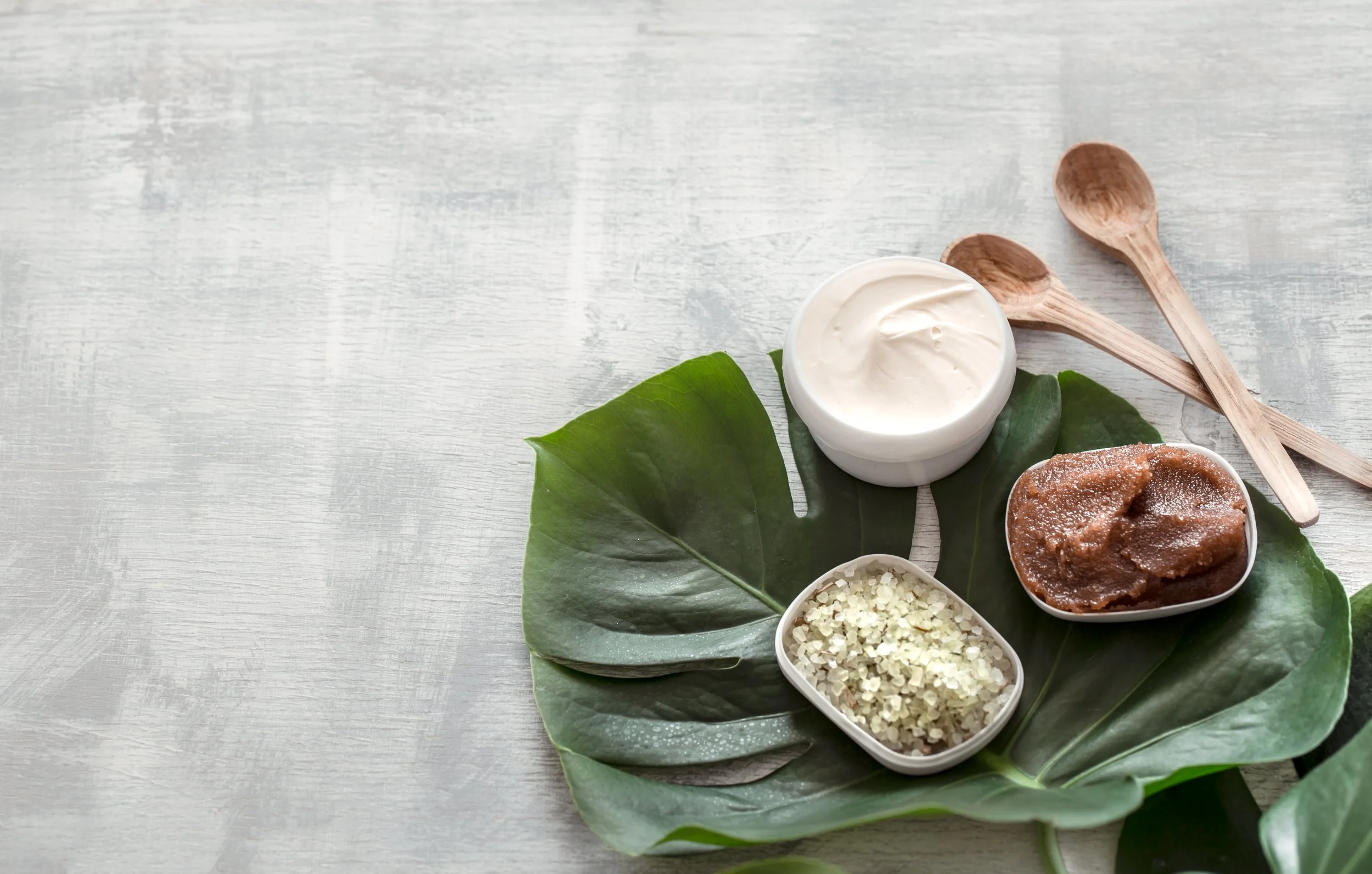
The beauty world loves the word "natural." We often see photos of green leaves, blooming flowers, and fresh water drops on cream jars. These images tell us a simple story: if an ingredient comes from the earth, it must be safe, pure, and kind to our skin.
However, many people buy plant-based creams only to wake up with redness, itching, or tiny breakouts. This happens because natural skin care is not always gentle on human skin.
Understanding how plant extracts interact with skin biology—and why the overall product formulation matters far more than where an ingredient originated—helps cut through marketing hype to make smart decisions for your skin barrier.
What Does "Natural" Really Mean in Skincare?
It might surprise you to learn that cosmetic regulations offer no single legal definition for words like "natural," "organic," or "clean" beauty.
WHAT "NATURAL" MEANS IN BEAUTY
• Regulatory Status: No standardized legal definition across cosmetic authorities.
• Ingredient Origin: Sourced from plants, minerals, or fungi.
• Safety Status: Requires individual testing; natural origin does not automatically imply safety.
When a jar claims to be plant-based, it usually means the core ingredients come from plants, minerals, or fungi. But an ingredient's origin does not tell you whether your skin will love it or reject it. Nature produces gentle, soothing oils like Jojoba, but it also creates poison ivy, venom, and toxic mushrooms.
Your skin does not possess an eye to read product labels. It only reacts to the molecular structure of what touches it.
Why Plant Ingredients Can Cause Irritation
Plant extracts are naturally complex. When chemists create a synthetic ingredient in a controlled lab environment, they synthesize a single, pure molecule designed for one specific task.
A single plant extract, however, contains hundreds of individual chemical compounds. While some of those compounds soothe the skin, others can trigger allergic reactions or break down the delicate skin barrier.
Here are three primary reasons why raw plant extracts can irritate your face:
1. Concentrated Essential Oils: Essential oils give natural products their wonderful scents. However, oils like Tea Tree, Peppermint, Ylang-Ylang, and Citrus contain strong natural compounds (such as limonene and linalool) that readily cause contact dermatitis on sensitive skin.
2. High Allergen Loads: Plants protect themselves in the wild by producing natural chemicals to ward off insects and fungi. Members of the Asteraceae plant family (like chamomile, arnica, and marigold) contain natural compounds called sesquiterpene lactones, which rank among the most common triggers for plant-based skin allergies.
3. Crop and Weather Variations: The chemical makeup of a plant changes depending on the soil, rain, and sunlight it receives during growth. This batch-to-batch variation makes raw plant extracts harder to standardise compared to lab-stabilised alternatives.
Clinical Support: Botanical Allergenicity
Research published in ResearchGate Dermatology Journals highlights that allergic contact dermatitis from topical botanical extracts occurs frequently in patch-tested patients, with essential oils and plant extracts ranking as major cosmetic allergens.
The Debate: Natural vs Synthetic Skincare
The choice between natural vs synthetic skincare is rarely an "either/or" decision between safe and unsafe. Both categories bring distinct strengths and weaknesses to personal care products:
| Skincare Category | Key Advantages | Potential Drawbacks |
|---|---|---|
| Natural Extracts | Rich in antioxidants, vitamins, and natural fatty acids that nourish the skin barrier. | Higher risk of triggering plant allergies; short shelf life; variable purity. |
| Synthetic Formulations | Highly pure, stable, batch-consistent, and engineered for specific results. | Lacks the consumer appeal of traditional plant heritage. |
Modern cosmetic science focuses on combining the best aspects of both worlds: pairing gentle plant extracts with safe, lab-tested stabilizing ingredients.
Why the Full Formulation Matters Most
An individual ingredient never acts alone; its effect depends on the entire recipe. A single drop of lemon juice on bare skin can cause a phototoxic burn, but a micro-dose of citrus-derived citric acid used to balance the pH of a gentle cleanser is entirely safe and beneficial.
When evaluating a product, look at the entire formulation rather than a single featured ingredient:
Ingredient Concentration: Is the plant extract present at a safe, functional level, or is it used in excessive amounts?
pH Level: Is the finished product matched to the skin's natural acidic pH (around 4.5 to 5.5)?
Preservative Systems: Does the formula include robust preservatives to stop dangerous bacteria and mold growth? Without preservatives, natural water-based products spoil rapidly.
Delivery System: Does the formula deliver its active ingredients smoothly without tearing or destabilizing the outer skin barrier?
Botanical Skincare Safety: A Balanced Approach
Prioritizing botanical skincare safety means seeking out products engineered for compatibility rather than relying on raw plant pastes.
Brands like Botanifique utilize a science-led, botanical-inspired approach. Rather than claiming plant ingredients are inherently superior to lab-refined ones, this approach focuses on formulation harmony:
1. Refined Plant Extracts: Sourcing certified botanical extracts and processing them to remove known irritating plant compounds.
2. Clinical Hybrids: Combining plant-derived antioxidants (like Jojoba and Birch Bark) with clinically tested active molecules (like patented peptides) to yield consistent results without triggering skin reactivity.
3. Barrier-First Hydration: Formulating products to protect the skin barrier, keeping the product gentle even for sensitive skin types.
To explore how balanced plant extracts work alongside smart formulation science, review the Botanifique Hydra Power Collection or explore their targeted Botanifique Eye Care Series.
How to Protect Your Skin When Trying New Products
Because natural skincare not always gentle, you can safeguard your skin by using a clear, deliberate testing routine:
1. Always Perform a Patch Test: Apply a small pea-sized amount of product to your inner wrist or side of your neck. Wait 24 to 48 hours to check for redness, itching, or swelling before putting it on your face.
2. Avoid Heavy Fragrances: If your skin flares up easily, choose products that rely on soothing, non-scented extracts over heavy, aromatic essential oil blends.
3. Introduce One Product at a Time: Wait 7 to 10 days before adding another new step to your daily routine. If a reaction occurs, you will immediately know which product caused it.
4. Listen to Your Skin Barrier: If a product causes stinging, burning, or sudden tightness, wash it off with cool water right away. Stinging is a sign of skin distress, not a signal that a product is "working."
Make Informed Choices for Healthy Skin
True skin health relies on smart chemistry, accurate information, and listening to what your unique skin needs. Plant-derived ingredients offer wonderful antioxidant benefits, but they are not magical or inherently safe on their own.
Remember that natural skincare is not always gentle, and the best product is always the one formulated thoughtfully for your skin type. Look past simple green-leaf marketing, read ingredient lists with confidence, and choose products that respect your skin barrier.
LEARN HOW TO READ SKINCARE CLAIMS
CTA Link: https://www.cosmetigroup.com.ph/botanifique
Learn how to read skincare labels, evaluate formulations, and select balanced botanical products.
