
Dead Sea Mud vs Clay Mask: What’s the Difference?
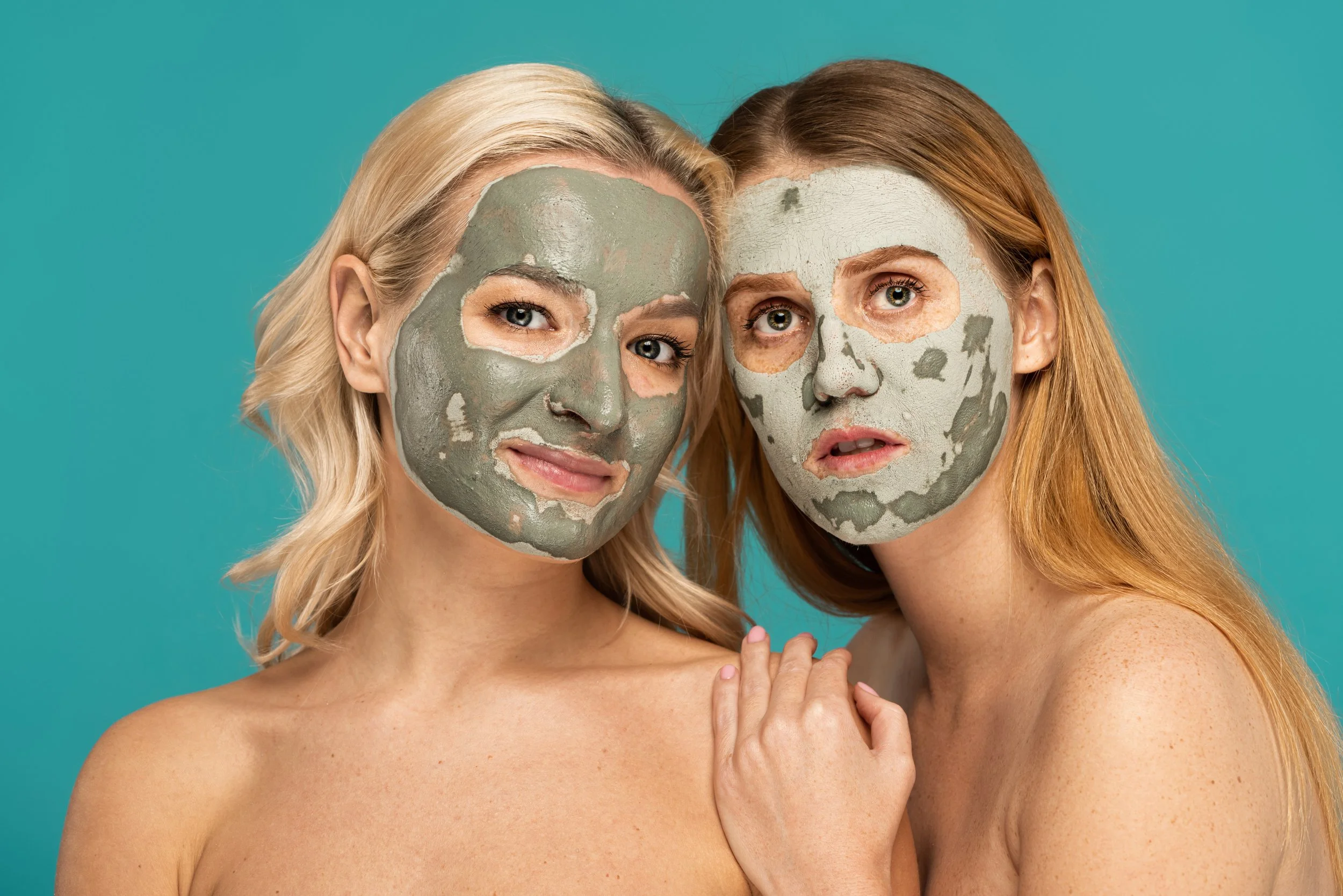
Face masks come in many forms, but two popular choices are Dead Sea mud vs clay mask. They can look similar when applied, yet they are not exactly the same. Their source, composition, texture, and place in a skincare routine can vary.
Clay masks are commonly formulated with cosmetic clays such as kaolin or bentonite. These clays can help absorb oil and soothe irritation, making them common ingredients in masks for oily or acne-prone skin.
Dead Sea mud is a more specific natural material associated with the Dead Sea and contains clay minerals together with salts and other mineral components. This gives it a distinct mineral-focused identity compared with a standard clay-based formula.
For example, Aqua Mineral's Dead Sea Mud is a mineral-rich mud product designed for use as part of a skincare ritual. It is also included in the wider Aqua Mineral Body Care Collection. The difference is worth understanding, especially when choosing a Dead Sea mud mask or comparing it with another type of face mask.
What Is Dead Sea Mud?
Dead Sea mud is naturally occurring material associated with the Dead Sea environment. Unlike a simple cosmetic clay, it contains a combination of clay minerals and salts. That mineral composition is part of what makes Dead Sea mud popular in beauty and spa products. However, the finished skincare product still matters because manufacturers may combine the mud with other cosmetic ingredients.
Aqua Mineral's Dead Sea Mud is one example. The official product page describes it as a mineral-rich mud intended to cleanse away surface buildup and dead skin cells while leaving the skin looking refreshed. Dead Sea Mud product The product is part of Aqua Mineral's Body Care Collection, which also includes Mineral Bath Salt, Mud Soap, Total Silky Body Scrub, and Blissful Body Butter. Aqua Mineral Body Care Collection
What Is a Clay Mask?
A clay mask is a broader skincare category. Instead of referring to one specific source, the term describes a mask formulated around one or more cosmetic clays. Kaolin and bentonite are common examples.
Clay ingredients can absorb excess oil and may be useful in masks for certain skin concerns. But not all clay masks feel the same. One may be thick and creamy, another may become noticeably drier as it sits, and another may include moisturizing ingredients that create a softer experience. That means a clay mask comparison should look beyond the word "clay" and consider the complete formulation.
Dead Sea Mud vs Clay Mask: The Main Difference
| Dead Sea Mud | Clay Mask |
|---|---|
| Comes from the Dead Sea environment | Can contain different cosmetic clays |
| Contains clay minerals and salts | Often centered on kaolin, bentonite, or other clays |
| Usually associated with a mineral-focused ritual | Often associated with cleansing and oil absorption |
| Can feel dense and earthy | Texture varies widely by formula |
| Used according to the specific product instructions | Usage varies by formulation |
There is some overlap because Dead Sea mud itself can contain clay minerals. The important distinction is that Dead Sea mud describes a particular mineral-rich natural material, while clay mask describes a broader cosmetic category.
Neither category is automatically better for everyone.
Source Matters
The source is one of the clearest differences. Dead Sea mud comes from a specific geographic environment, while cosmetic clays can originate from different mineral deposits and be processed for skincare use. This makes Dead Sea mud particularly appealing to people who enjoy the history and spa-inspired experience associated with Dead Sea skincare. A conventional clay mask may be more appealing to someone who is simply looking for a product centered around a familiar clay ingredient such as kaolin or bentonite.
Texture and Application
Texture can strongly influence whether you enjoy using a mask. Dead Sea mud products can have a thick, earthy, paste-like consistency. Clay masks can have similar textures, but their feel depends heavily on the formula.
Some clay masks dry quickly. Others stay creamy. Some feel tight as they dry, while others are designed to remain comfortable on the skin. Aqua Mineral also offers different mineral-based mask experiences. For example, its Extensor Deep-Lifting Mask is another Dead Sea mud-based facial product in the Aqua Mineral range. Extensor Deep-Lifting Mask This is a useful reminder that even products within the same Dead Sea mud category can feel different.
What Does a Mask Actually Do in Your Routine?
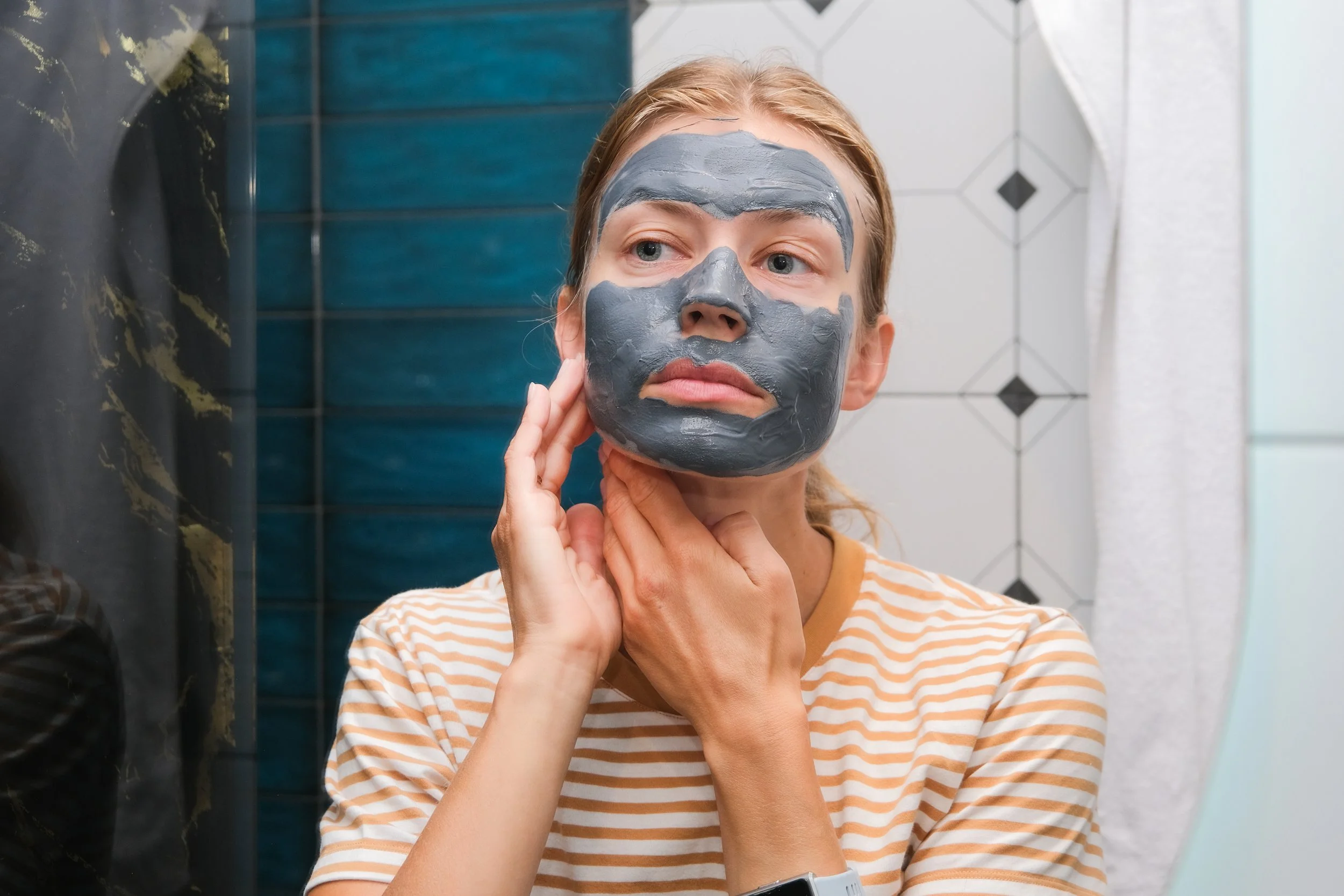
A face mask should generally be considered an occasional addition, not a replacement for everyday skincare. Facial masks can target certain skincare concerns depending on their ingredients, but they should complement—not replace—a regular routine.
A simple routine might be:
Cleanse → Mask → Moisturize
Your everyday cleanser, moisturizer, and daytime sun protection remain the foundation.
The mask simply adds an occasional treatment step.
Which Is Better for Oily Skin?
Clay has a clear place in oily-skin care because dermatologists recognize kaolin and bentonite as oil-absorbing ingredients.
However, oily skin still needs moisture. Using a moisturizer even for oily skin and suggests choosing oil-free or non-comedogenic products when appropriate. It also recommends avoiding overly harsh cleansing because irritation can make oily skin more difficult to manage.
So choosing a mask should not mean trying to remove as much oil as possible. A more sensible goal is finding a product that fits your routine without leaving your skin excessively dry or uncomfortable.
What About Dry or Sensitive Skin?
This is where the full formulation and frequency of use become particularly important. Neither "mud" nor "clay" automatically tells you whether a product will suit sensitive or dry skin.
Facial masks can cause irritation, dryness, or breakouts when the wrong ingredients are used or when a mask is used too often. It recommends choosing ingredients based on your skin concerns and following the product's instructions. For dry or sensitive skin, avoid assuming that a stronger drying sensation means a better mask. A comfortable routine is more important than making your skin feel extremely tight.
Natural Does Not Automatically Mean Safer
Dead Sea mud is a naturally occurring material, but that does not mean every natural ingredient or finished natural product is automatically safer for every person. The U.S. FDA advises consumers to read the complete cosmetic label and explains that the source of an ingredient does not determine its safety. It also notes that "natural" and "organic" do not automatically mean safer. That means shoppers should still consider the full ingredient list, warnings, and directions. The same principle applies to clay masks. The ingredient category alone is not enough to predict how your skin will respond.
How Often Should You Use a Mud or Clay Mask?
There is no universal schedule. Your specific product may recommend weekly use, less frequent application, or another schedule entirely. Follow the instructions on the product you are using. Following a facial mask's label instructions and warning that leaving a mask on longer than recommended or using it too often can contribute to irritation. Do not assume that keeping a mask on longer will produce better results. More time is not necessarily better.
What Should You Do After a Mask?
After removing a mask, gently continue with your routine. Moisturizing after washing off a facial mask and continuing regular cleansing, moisturizing, and sun protection.
A basic sequence is:
Mask → Rinse → Moisturize
Avoid immediately piling on several other active products unless they already have a clear place in your routine. This is particularly important if your mask has cleansing or exfoliating properties.
Can You Use Dead Sea Mud and Clay in the Same Routine?
There is usually little reason to layer two similar masks together. Using multiple products with overlapping purposes can increase the chance of dryness or irritation. The AAD recommends avoiding redundant active ingredients, particularly when several products are already part of your routine.
Instead, you can use different masks on different occasions. For example, you might choose a clay mask when you want an oil-absorbing experience and a Dead Sea mud mask when you want a mineral-focused ritual. This makes comparison easier and keeps your routine simpler.
Choosing a Dead Sea Mud Mask
When shopping for a Dead Sea mud mask, look at more than the front of the package.
Consider:
The ingredient list: What else is included in the formula?
The instructions: How long should it stay on the skin?
Your skin type: Is the formulation appropriate for you?
The texture: Will you enjoy applying and removing it?
Your routine: Does it complement your existing products?
Aqua Mineral's Dead Sea Mud provides a straightforward example for shoppers specifically looking for a Dead Sea mineral experience. Aqua Mineral Dead Sea Mud Its wider Aqua Mineral Collection also includes mineral-focused body-care products for shoppers interested in extending that experience beyond facial care. Aqua Mineral Collection
Comparing the Two by Skin-Care Preference
Prefer Oil-Absorbing Masks?
A clay mask may appeal to you, particularly one containing kaolin or bentonite. Dermatologists recognize these clays for their ability to absorb oil.
Prefer a Mineral-Focused Experience?
Dead Sea mud may be more appealing because of its distinctive mineral source and spa-inspired identity.
Prefer a Specific Ingredient?
Look at the ingredient list rather than relying on the product name.
Prefer a Luxurious Ritual?
A premium Dead Sea mud product can turn an ordinary mask session into a more deliberate skincare experience.
There is no universal answer because these preferences are different.
Don't Expect a Mask to Replace Daily Skincare
One of the most important points in a clay mask comparison is understanding what a mask cannot replace.
A mask is not a substitute for cleansing, moisturizing, or sun protection. Facial masks are an addition to a regular skincare routine, not a replacement for it. That means even if you enjoy using a mask once a week, your everyday routine still matters more. Think of the mask as an occasional extra.
What If the Mask Burns or Stings?
Do not assume that discomfort means the product is working. Washing a facial mask off immediately if you experience itching, burning, or stinging because these can indicate irritation or an allergic reaction. The FDA similarly advises consumers to stop using cosmetics if they experience an unexpected reaction and to seek healthcare advice when appropriate. Always follow the product's instructions and pay attention to how your skin responds.
Dead Sea Mud vs Clay Mask: Which Should You Choose?
The choice comes down to what you want from the experience. Choose clay when: you prefer a mask centered on cosmetic clays such as kaolin or bentonite, particularly for an oil-absorbing routine. Choose Dead Sea mud when: you are interested in a mineral-rich material associated with the Dead Sea and want a more mineral-focused skincare experience. Choose based on formulation when: your main concern is sensitivity, dryness, or irritation. The full ingredient list and product directions matter more than the category name. Choose based on routine when: you already use other exfoliating or active products and want to avoid unnecessary overlap.
The Bigger Difference Is Your Expectations
It is easy to compare products by asking which one is "stronger."
A better question is:
What kind of experience am I looking for?
A clay mask may provide the familiar feel of a cosmetic clay treatment.
A Dead Sea mud product can provide a mineral-centered skincare ritual.
Both can fit into a thoughtfully designed routine, depending on the formulation and your skin's needs.
Aqua Mineral's Dead Sea Mud is one example of a dedicated Dead Sea mud product, while its Body Care Collection expands the mineral-focused experience into bath and body care. Aqua Mineral Dead Sea Mud Aqua Mineral Body Care Collection
Final Thoughts
The difference between Dead Sea mud vs clay mask is mainly about source, composition, formulation, and the experience you want from your skincare. Dead Sea mud is a specific mineral-rich natural material associated with the Dead Sea, while clay masks represent a broader category commonly built around cosmetic clays such as kaolin or bentonite.
Neither should automatically be considered the best option for everyone. Instead, compare the ingredients, texture, instructions, frequency of use, and how the product fits into the rest of your routine. For those interested in trying a mineral-focused option, explore Aqua Mineral Dead Sea Mud. Aqua Mineral Dead Sea Mud
You can also explore the Aqua Mineral Body Care Collection for other Dead Sea-inspired products. Aqua Mineral Body Care Collection Whichever mask you choose, keep the routine simple, follow the product directions, and pay attention to what your skin is telling you.
