
Skincare Myths That Are Still Everywhere on Social Media
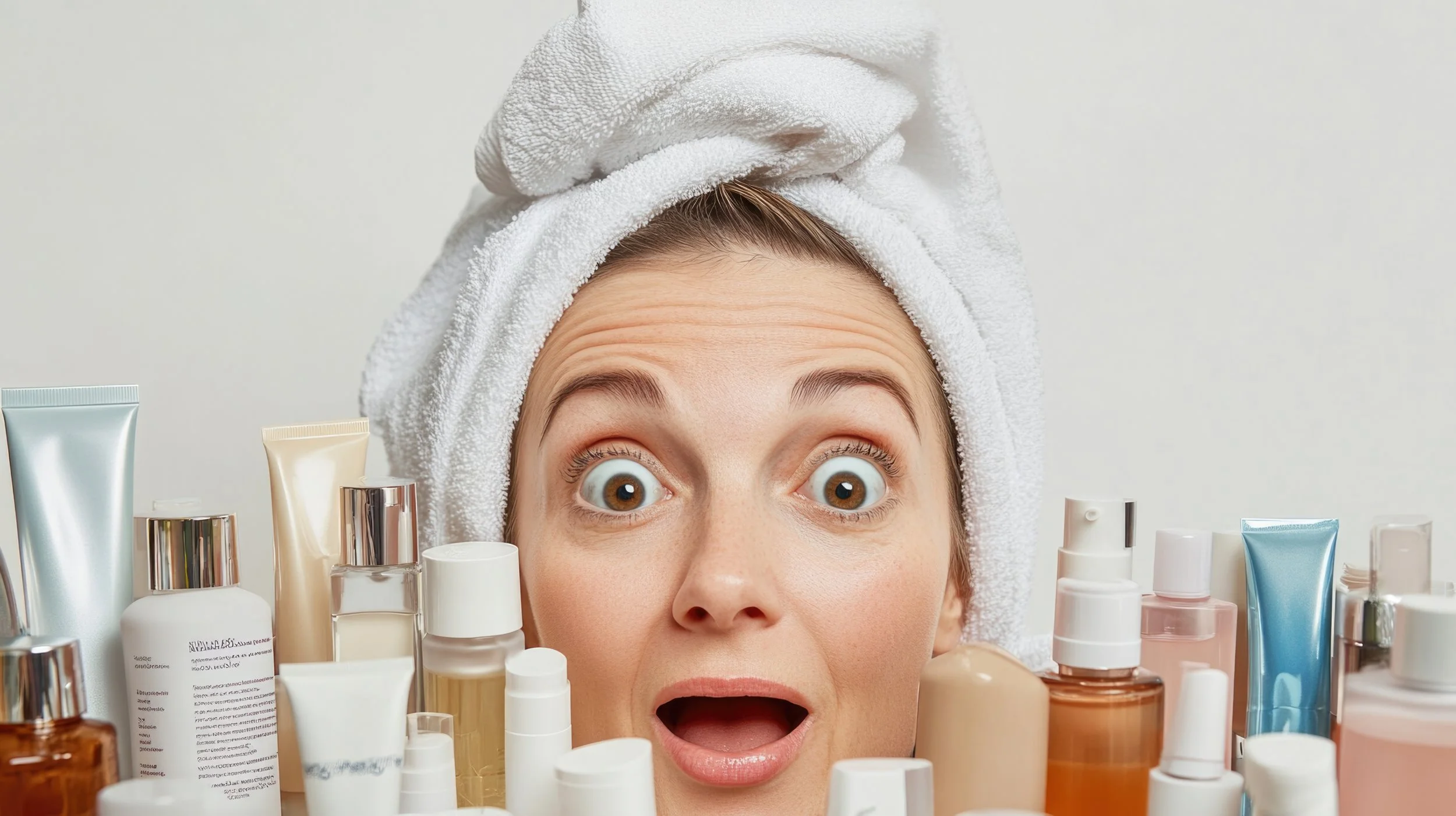
Skincare advice is now only a few taps away. TikTok, Instagram, Facebook, and YouTube are full of routines, ingredient recommendations, product reviews, and dramatic before-and-after photos. Some of this content can be useful, but skincare myths in the Philippines continue to spread because they are simple, memorable, and easy to repeat.
The problem is that skincare is personal. A routine that works well for one person may not suit another person's skin, lifestyle, or tolerance. A product feeling strong does not automatically mean it is effective, and having more products does not automatically produce better results.
Understanding basic skincare facts can make it easier to separate useful advice from viral claims. Guidance from organizations such as the American Academy of Dermatology (AAD) and U.S. Food and Drug Administration (FDA) offers a more reliable starting point for evaluating common skincare advice.
Here are several skincare myths that deserve a closer look.
Myth 1: More Skincare Products Mean Better Results
A long skincare routine can look impressive, but more products do not necessarily mean better skin. It is easy to start with a cleanser and moisturizer, then add a toner, several serums, exfoliants, masks, eye creams, and other treatments after seeing them on social media. The problem is that using many products at once can make irritation more likely and can make it difficult to know which product is helping or causing a reaction. One product at a time because using several anti-aging products simultaneously can irritate the skin. It also recommends following product directions rather than applying more in an attempt to accelerate results.
A practical routine can therefore remain simple:
Cleanse → Treat → Moisturize → Protect
Not everyone needs the treatment step every day.
For example, Èlitè Skin Perfection's Re Fresh Foaming Cleanser is described as a cleanser that removes impurities while helping the skin feel moisturized and refreshed.
The point is not to use as few products as possible. It is to give every product a clear purpose.
Myth 2: Tingling Means a Product Is Working
One of the most common viral skincare myths is that a product needs to sting or tingle to be effective. That is not a reliable measure of performance. Stopping a product that stings, burns, or tingles because these sensations may indicate irritation. It also recommends testing new products before applying them broadly.
Some active ingredients can cause temporary irritation, particularly when someone with sensitive skin begins using them. The important distinction is that discomfort should not be treated as proof that a product is "working harder." Instead, pay attention to how your skin responds over time and follow the product directions. If a product repeatedly causes burning, swelling, redness, or another concerning reaction, discontinue use and seek professional advice when needed.
Myth 3: Oily Skin Does Not Need Moisturizer
This myth can lead people to cleanse aggressively and skip moisturizer because they assume that additional moisture will make oily skin worse.
Oily skin still benefits from moisture. It recommends applying moisturizer after cleansing and suggests oil-free or non-comedogenic products when appropriate. It also advises using a gentle cleanser instead of trying to strip away all the skin's oil.
So an oily-skin routine might look like:
Gentle cleanser → Lightweight moisturizer → Sunscreen
For a premium example, Iconique's Hyaluronic Moisturizing Day Cream is positioned as a lightweight moisturizing cream, and its product page lists sodium hyaluronate among its ingredients.
The right moisturizer still depends on individual skin type and tolerance. The goal is to maintain comfortable skin without choosing a texture that feels unnecessarily heavy.
Myth 4: Natural Always Means Safer
"Natural" is an appealing word in beauty marketing, but natural origin does not automatically make an ingredient safer.
The FDA explains that an ingredient's source does not determine how safe it is and specifically warns consumers not to assume that natural or organic cosmetics are safer than products made with ingredients from other sources.
Plant-derived ingredients can still irritate the skin or cause allergic reactions. The FDA also notes that some essential oils and other plant-derived substances can be irritating or allergenic.
This does not mean botanical skincare is bad. It simply means natural and safe are not synonyms. Different beauty brands, including Botanifique, Aqua Mineral, and Iconique, with different approaches to skincare. When choosing a product, consider the full formulation, instructions, intended use, and your own skin rather than relying on one marketing word.
Myth 5: Expensive Skincare Is Automatically Better
A high price can signal a premium experience, specialized formulation, packaging, technology, or brand positioning. But price alone does not determine whether a skincare product is appropriate for you. Skincare does not have to be expensive to be effective and recommends choosing products based on skin type and individual concerns.
That makes a simple budgeting rule useful:
Buy according to your needs first and your preferences second.
Èlitè Skin Perfection provides premium options across many categories, from cleansers and serums to masks and beauty technology. For example, its Iconique collection includes facial skincare, eye care, masks, and technology-focused products. A premium product may be a worthwhile personal purchase because you enjoy its texture, presentation, formulation, or overall experience. It is still optional rather than a requirement for good skincare.
Myth 6: You Need to Replace Your Entire Routine to Fix One Concern
Social media can make it tempting to completely rebuild your skincare shelf whenever you notice a concern. But replacing everything at once can make it difficult to identify what is helping and what is causing irritation. Introducing one product at a time and giving products an appropriate amount of time to work.
A better approach is to identify the category that needs attention. If cleansing leaves your skin uncomfortable, reconsider your cleanser. If dryness is the issue, review your moisturizer. If you want targeted care, consider adding one serum. Changing one thing at a time makes your routine easier to understand. It can also make your beauty spending more practical because you are addressing a specific gap instead of purchasing an entirely new collection.
Myth 7: One Product Can Fix Every Skin Concern
Another common example of beauty misinformation is the "miracle product" claim. Some products are marketed as though they can simultaneously solve dryness, dullness, uneven tone, pores, fine lines, blemishes, and other concerns.
In reality, skincare products have different purposes. A cleanser primarily cleanses. A moisturizer supports hydration. Sunscreen provides UV protection. A serum may focus on a particular skincare concern. A mask can provide an occasional treatment experience.
Understanding those roles makes it easier to build a routine around realistic expectations. Skincare products cannot address every sign of aging and recommends having realistic expectations about what products can do. This is why a complete routine is often more useful than searching for one product that promises everything.
Myth 8: Leaving a Face Mask on Longer Makes It Work Better
Another social-media habit is extending mask application time because someone believes that "more time equals better results."
That is not a good general rule.
Product directions exist for a reason. Leaving a product on longer than instructed can increase the chance of irritation, especially if it contains ingredients that are already active on the skin.
For an innovative example, Iconique's Thermaglow Heating Mask combines a warming sensation with cleansing, exfoliation, and moisturization according to its product page.
That does not mean leaving it on longer will produce greater benefits. Use masks according to their instructions and treat them as one part of your overall routine rather than a shortcut to instant results.
Myth 9: If You See an Immediate Change, the Problem Is Fixed
Social media loves dramatic transformations. A product can appear convincing when the content shows an immediate glow, smoother appearance, or other visible change. But an immediate cosmetic effect is not necessarily evidence that a long-term concern has been resolved.
Give products enough time to work and note that many skincare products may take weeks before noticeable results appear. That means one impressive photo should not be your only evidence. Instead, consider whether the product is appropriate for your skin, whether you are using it consistently, and whether the results match its intended purpose.
Myth 10: Everyone Should Copy the Same Skincare Routine
One of the easiest ways to fall for skincare misinformation is to assume someone else's routine belongs on your bathroom shelf.
Influencers and creators have different skin types, lifestyles, environments, budgets, and product tolerances. Selecting products according to your skin type and individual needs. That is particularly important for people in the Philippines, where daily routines may involve heat, humidity, commuting, and strong sun exposure. A routine created for someone living in another climate may not feel comfortable or practical for you. Take the information as a starting point—not a prescription.
Myth 11: You Have to Use Every Product in a Collection
Seeing a complete skincare collection can create the impression that you need every product in it.
You do not.
A collection may include cleansers, serums, eye products, masks, moisturizers, and technology. They exist so consumers can select products that fit different routines and preferences.
Aqua Mineral, Botanifique, Iconique, and Èlitè Skin Perfection, among others, demonstrate that even within one company there are different product categories and beauty approaches.
Choose what has a clear place in your routine.
For example, you might use the Iconique Hyaluronic Acid Face Serum as your targeted hydration step rather than buying several different serums. Its current product page identifies sodium hyaluronate as a key moisturizing ingredient. A complete collection can be useful, but a complete collection is not the same thing as a required routine.
Myth 12: "Hypoallergenic" Means You Cannot React to It
The term "hypoallergenic" can sound like a guarantee that a product will not cause an allergic reaction. The FDA specifically warns consumers not to assume this. It explains that FDA does not define "hypoallergenic" and that such a label does not guarantee that a product will not cause a reaction.
Testing skincare products before fully introducing them into your routine because ingredients can trigger reactions in some people. Following that kind of precaution is more useful than relying on a single marketing claim.
Myth 13: If a Product Is Natural, You Do Not Need to Read the Ingredient List
This follows directly from the natural-skincare myth. Even when a product is presented as botanical or plant-based, you should still read its label and instructions. The FDA recommends reading the full cosmetic label, including the ingredient list, warnings, and safe-use directions.
Botanical ingredients can still be associated with fragrance-related ingredients and reactions in sensitive individuals. Understanding what you are buying is more useful than assuming that a particular category automatically tells you how your skin will respond.

How to Recognize Skincare Misinformation
You do not need to avoid social media completely to make better skincare decisions.
Instead, be cautious when a post claims:
"It burns, so it works."
"Natural means it cannot irritate you."
"Everyone needs this ten-step routine."
"This one ingredient fixes everything."
"The more you use, the faster the results."
"This expensive product is automatically better."
These statements are attractive because they are simple. Real skincare is usually more nuanced. Look for information from dermatology organizations, regulatory agencies, product labels, and established educational resources. Testing products, introducing them carefully, following instructions, and avoiding unnecessary irritation. The FDA similarly advises consumers to read cosmetic labels and not assume that terms such as "natural" or "hypoallergenic" guarantee safety.
What Skincare Facts Should You Remember?
After removing the myths, the basics become much clearer.
More products do not automatically mean better results.
Tingling or burning is not a reliable measure of effectiveness. The AAD advises stopping products that sting, burn, or tingle, with exceptions for certain products used under professional guidance.
Oily skin still needs appropriate moisture.
Natural does not automatically mean safer.
Expensive skincare is not automatically more effective.
One person's routine may not be suitable for another person.
Following product directions matters.
Testing new products can help identify potential reactions.
These principles are more useful than memorizing every new skincare trend.
How to Build a More Reliable Routine
Once you stop chasing every viral claim, building a routine becomes much easier.
Start with the basics.
Cleanse
Choose a cleanser appropriate for your skin type and use it gently.
Èlitè's Re Fresh Foaming Cleanser is one premium example and is described as cleansing away impurities while helping leave the skin moisturized.
Add One Targeted Product
Choose a serum only when it has a clear role in your routine.
For example, Iconique Hyaluronic Acid Face Serum is positioned around hydration and includes sodium hyaluronate.
Moisturize
Choose a moisturizer that works with your skin type and preferred texture.
Iconique Hyaluronic Moisturizing Day Cream is one option from the Èlitè portfolio.
Protect During the Day
Use broad-spectrum SPF 30 or higher when appropriate for outdoor exposure, following established dermatology guidance.
Add Extras Thoughtfully
Masks, eye care, exfoliants, and beauty devices can be enjoyable additions, but they do not need to become mandatory parts of every routine.
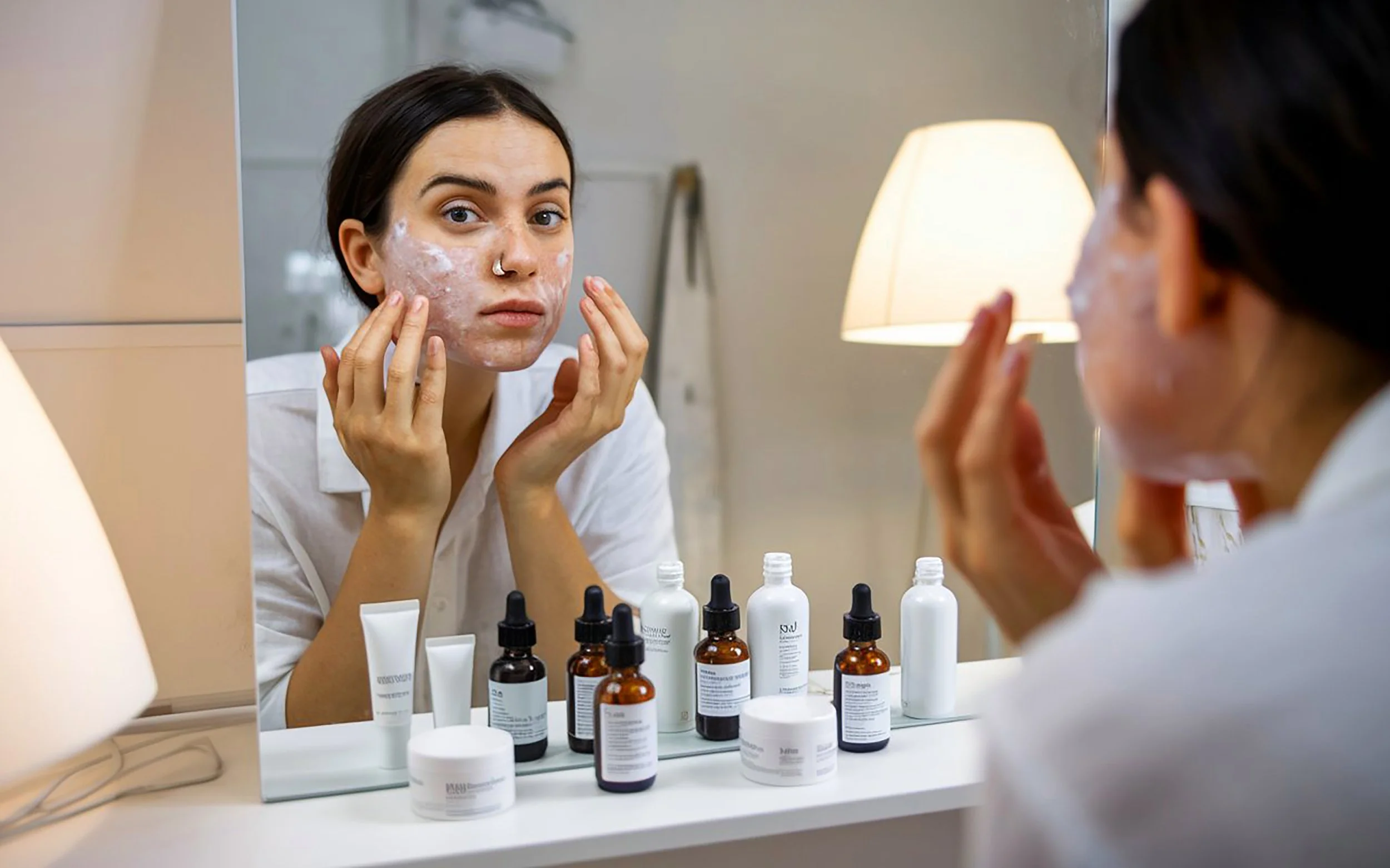
Don't Let Viral Skincare Myths Make Your Routine Complicated
The internet has made skincare easier to discover, but it has also made viral skincare myths easier to repeat.
The most useful response is not to believe everything online or reject every new skincare idea. Instead, look at the evidence and ask practical questions.
Does the product have a clear purpose?
Is it appropriate for your skin?
Are you following the directions?
Are you adding too many products at once?
Is a sensation being mistaken for effectiveness?
Are you choosing a product because you need it or simply because it is trending?
For additional educational reading, Èlitè Skin Perfection offers articles such as Is It Time for a Skin Analysis?, which discusses personalized skin analysis, and What to Do Before and After Your Treatment, which discusses skincare around professional treatments.
You can also explore the Èlitè Skin Perfection Collection to compare products by category and choose what fits your own routine.
Good skincare does not have to follow every trend. It starts with understanding your skin, checking the evidence, and choosing products for a reason. Before you follow the next viral skincare tip, check the facts first.
