
Do You Really Need a Separate Eye Cream? What Dermatologists Say
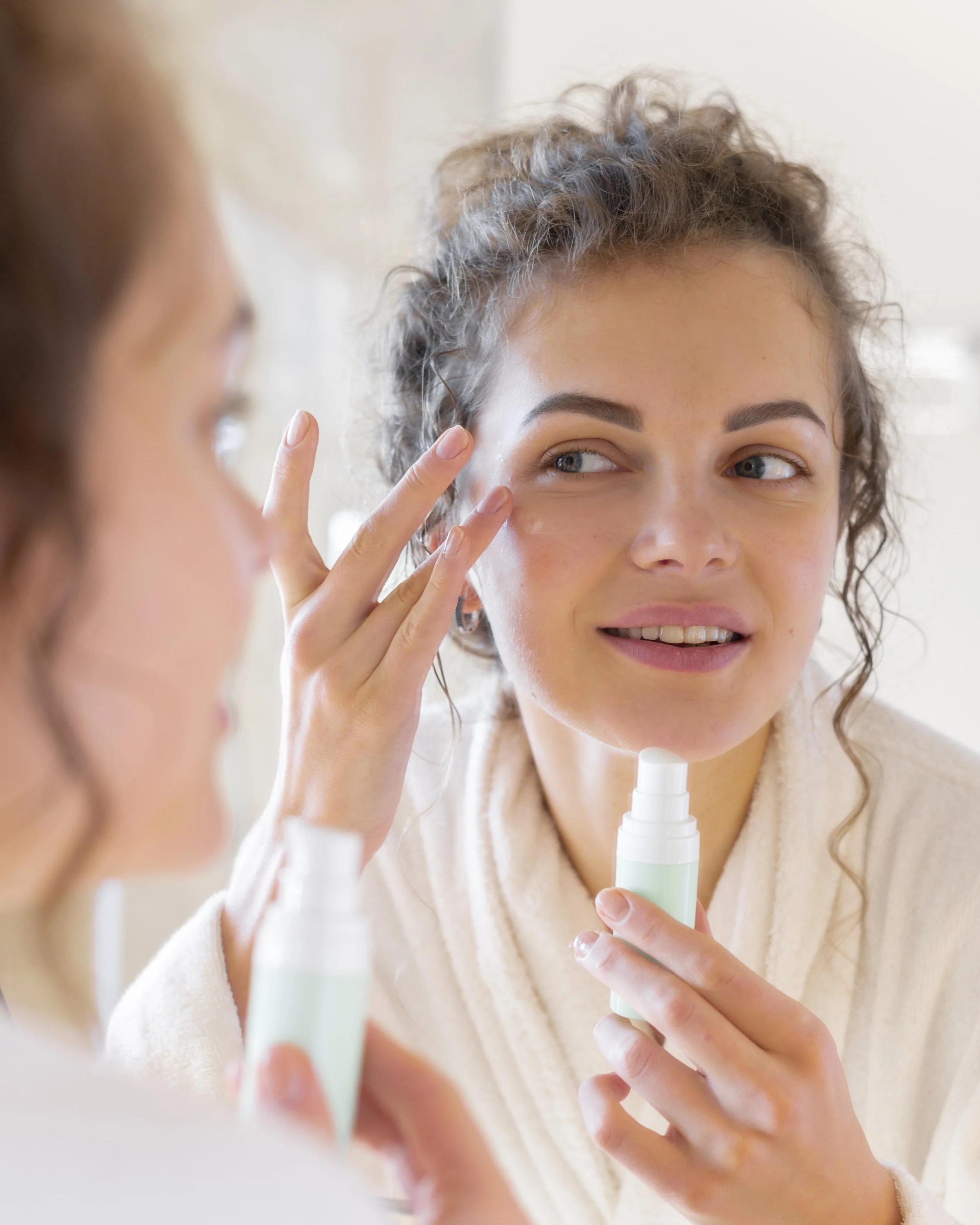
Walk into almost any skincare store and you will find a product specifically labeled for the eye area: eye creams, eye gels, eye serums, and even eye masks. But with so many products already in a typical skincare routine, one question naturally comes up: do you need eye cream?
The answer is more nuanced than a simple yes or no.
A separate eye product can be useful because the skin around the eyes can be more delicate and may have different cosmetic concerns from other areas of the face. A targeted formula can also offer a particular texture or combination of ingredients designed for the eye area. On the other hand, not everyone needs to purchase another product. For some people, a gentle, suitable facial moisturizer may provide enough hydration around the eyes.
Dermatologist guidance generally emphasizes choosing skincare according to your individual skin type, concerns, and tolerance rather than automatically adding products because they are marketed as essentials. Selecting moisturizers according to skin type and note that there is no one-size-fits-all moisturizer.
So, is eye cream necessary? Let's look at both sides.
What Makes the Eye Area Different?
The skin around the eyes can be more delicate than many other areas of the face, which is one reason eye-specific skincare exists. It is also an area where people commonly notice dryness, fine lines, puffiness, or the appearance of dark circles.
However, having delicate skin does not automatically mean you must use a separate eye cream.
The more useful question is: What does your eye area need, and can your current moisturizer provide it comfortably?
If your primary concern is simple dryness and your regular facial moisturizer is gentle enough for use around the eyes, you may not need another product. A dermatologist-authored guide from Dr. Heather D. Rogers, MD, FAAD, similarly notes that many people can use a well-formulated facial moisturizer around the eyes as long as it is moisturizing enough and non-irritating.
That makes the decision less about following a prescribed number of skincare steps and more about choosing products that fit your skin.
So, Do You Need Eye Cream?
For many adults, a separate eye cream is optional rather than mandatory.
A basic skincare routine already has several important components. Cleansing, moisturizing, and sun protection form the foundation of everyday skincare, while additional products can be added according to specific concerns. Building a routine around individual skin needs and avoiding unnecessary irritation from constantly changing or adding products.
If your face moisturizer:
Provides enough hydration around your eyes
Does not cause burning or irritation
Has a texture you enjoy using in that area
Fits your existing skincare routine
then you may be perfectly comfortable without a dedicated eye cream.
However, there are also situations where an eye-specific product can make sense.
Why Use a Separate Eye Product?
The strongest argument for an eye cream is not that everyone needs one. Instead, it is that eye-specific products can be formulated and packaged around particular needs of the eye area.
For example, someone may prefer a lighter gel texture in the morning because a richer facial moisturizer feels uncomfortable around the eyes. Another person may want a more nourishing cream at night because the area tends to feel dry.
Some eye products also contain ingredients selected for specific cosmetic goals.
This targeted approach can make an eye product a useful addition if it provides something your existing moisturizer does not.
1. You Want a Different Texture
Texture can make a significant difference in whether you enjoy using a skincare product.
A rich facial cream may feel comfortable on dry cheeks but too heavy around the eyes. Conversely, someone with dry skin may prefer a richer eye cream than the lightweight moisturizer they use over the rest of their face.
Moisturizers come in different forms, including gels, lotions, creams, and ointments, with different textures and levels of richness. Choosing between them should depend on skin type and the degree of dryness.
An eye gel can therefore be appealing to someone who wants a more lightweight application specifically around the eyes.
2. You Have a Specific Cosmetic Concern
You might also consider an eye-specific product if you want to focus your routine on concerns such as the appearance of fine lines, dryness, puffiness, or dark circles.
That does not mean an eye cream will eliminate these concerns. Many factors contribute to how the eye area looks, including genetics, skin aging, pigmentation, lifestyle, allergies, and fluid retention.
Instead, think of an eye product as a targeted cosmetic step that may complement the rest of your routine.
3. You Prefer Separate Products
Sometimes the simplest reason to use an eye cream is personal preference.
If you enjoy having a lightweight product for your eyes and a different moisturizer for your face, there is nothing wrong with maintaining that routine as long as the products are appropriate for your skin.
Skincare does not have to be reduced to the smallest possible number of products. The goal is to create a routine that is practical, comfortable, and suitable for you.
When Your Regular Face Moisturizer May Be Enough
There is also a very good reason not to buy an eye cream automatically.
If your facial moisturizer is gentle, moisturizing, and comfortable around the eye area, it may already provide what you are looking for.
This can be particularly relevant if your main goal is simply preventing or relieving dryness.
For example, someone with normal-to-dry skin might already use a nourishing moisturizer across the face and find that there is no noticeable difference when using a separate eye product.
Likewise, someone with a simple skincare routine may prefer to spend more attention on consistent cleansing, moisturizing, and daily sun protection instead of adding another step.
Choosing products according to your skin type and emphasizes that skincare routines should be tailored rather than based on a universal formula.
When an Eye Cream May Be Worth Considering
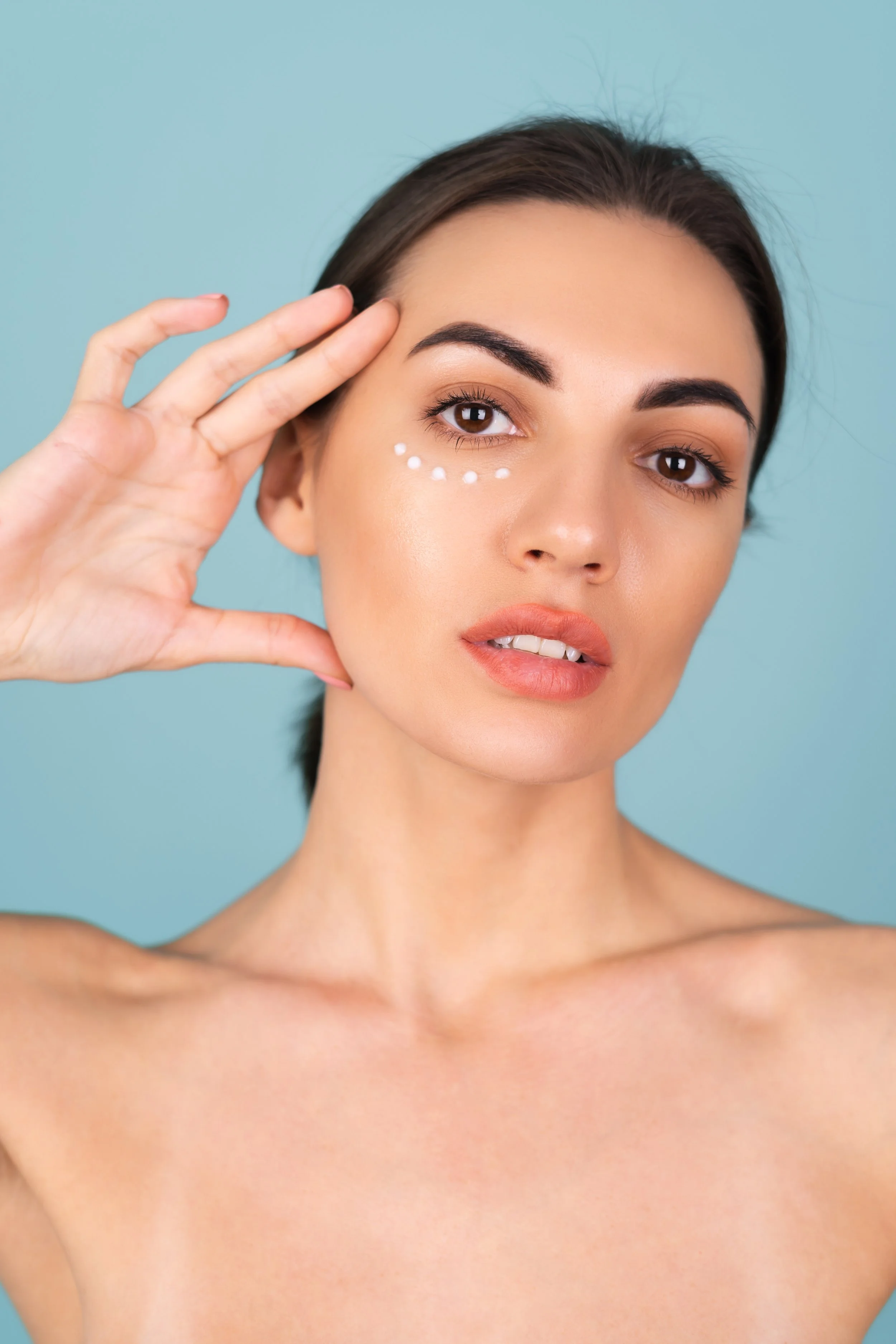
A separate eye product may be worth considering if you answer "yes" to one or more of these questions:
Does the skin around your eyes feel drier than the rest of your face?
If your regular moisturizer does not provide enough comfort or hydration in this area, a richer or more targeted eye product may be useful.
Do you prefer a lighter eye texture?
If your facial cream feels too heavy around your eyes, an eye gel may fit more comfortably into your routine.
Are you specifically interested in caring for the appearance of fine lines?
A targeted eye product can be incorporated as an optional step alongside the rest of your skincare routine.
Do you have a separate concern around the eyes?
If your concern is primarily cosmetic, such as the appearance of puffiness or dark circles, you may prefer a product specifically formulated for that area.
Do you simply enjoy using one?
That counts too. Skincare is also about creating a routine that you are willing to use consistently.
Èlitè Eye Products: Examples of Targeted Eye Care
For those who want to include an eye-specific product, Èlitè Skin Perfection offers several examples.
The Contura Eye Cream is part of the brand's Aqua Mineral Anti-Aging Collection. The collection describes its products as combining Dead Sea minerals with cosmetic technology, and Contura Eye Cream is specifically listed among the collection's eye-care products.
Another option is the Uplift Firming Eye Gel. Èlitè describes this product as being designed to nourish and soothe the eye area while refreshing the skin surrounding it.
The difference in format illustrates one reason some people choose eye-specific skincare: you can select a texture that fits the area and your preferences.
Someone who prefers a cream may gravitate toward Contura Eye Cream, while someone who likes the feel of a gel may prefer Uplift Firming Eye Gel.
Neither choice is automatically necessary for everyone.
What About Eye Cream and Aging Skin?
For adults in their 30s, 40s, 50s, and beyond, the eye area may become a bigger focus of a skincare routine as visible fine lines, dryness, or changes in skin texture become more noticeable.
That can make a targeted eye product appealing, but it is still important to keep expectations realistic.
An eye cream is a cosmetic skincare product. It should not be treated as an instant solution for every visible change around the eyes.
A well-rounded anti-aging routine should also prioritize foundational habits such as moisturizing and protecting the skin from ultraviolet exposure. Broad-spectrum sunscreen with SPF 30 or higher as part of daily skincare and identifies sun protection as an important way to help prevent premature skin aging.
In other words, adding an eye cream does not replace the basics.
Eye Cream vs. Eye Gel: Which One Should You Choose?
If you decide that you want a separate eye product, the next question may be whether you should choose a cream or gel.
There is no universal winner because texture preference and skin needs vary.
Choose an eye cream if:
Your eye area tends to feel dry
You prefer a richer texture
You want a more nourishing-feeling product
You generally tolerate cream formulas well
The Contura Eye Cream is an Èlitè example of a dedicated eye cream within its Aqua Mineral Anti-Aging Collection.
Consider an eye gel if:
You prefer lightweight textures
You dislike rich products around your eyes
You want a refreshing-feeling step
You prefer gel-based skincare
The Uplift Firming Eye Gel is Èlitè's gel-format option for the eye area.
The right choice is ultimately the one that fits your skin and that you can use comfortably and consistently.
How to Add Eye Cream to Your Skincare Routine
If you decide to use a separate eye product, you do not necessarily need to create an elaborate new routine.
A simple morning routine could look like:
Cleanser → Serum → Eye Product → Moisturizer → Sunscreen
At night:
Cleanser → Treatment/Serum → Eye Product → Moisturizer
However, the exact order can depend on the products you're using and their directions.
When applying a product around your eyes, use a small amount and avoid getting skincare directly into the eyes. Gentle application is also important because rubbing the area aggressively can cause unnecessary irritation.
If a product causes persistent burning, redness, swelling, or other concerning symptoms, stop using it and consider speaking with a dermatologist or other appropriate healthcare professional.
Don't Forget the Rest of Your Skincare Routine
One common mistake is becoming so focused on eye cream that the rest of the routine gets overlooked.
A dedicated eye product cannot replace the basics.
Cleanse appropriately
Cleansing before applying skincare products and before bed, while limiting face washing to twice daily and after sweating to help prevent irritation.
Moisturize
Your entire face needs appropriate hydration, not just the area beneath your eyes. Choosing a moisturizer based on your skin type and level of dryness.
Protect your skin from the sun
Daily sun protection is particularly important when your skincare goals include maintaining a more youthful-looking complexion. Broad-spectrum sunscreen with SPF 30 or higher as part of daily skincare.
Keep your routine consistent
Adding five new products at once makes it difficult to determine what is actually helping—or irritating—your skin. A consistent routine tailored to your needs is generally more useful than constantly changing products.
What About Dark Circles and Puffiness?
This is where expectations are especially important.
Dark circles can have multiple causes, and an eye cream cannot necessarily address all of them. Genetics, pigmentation, shadows created by facial anatomy, visible blood vessels, allergies, and lack of sleep can all contribute to the appearance of the under-eye area.
Similarly, puffiness can have different causes.
A cosmetic eye product may help the area feel moisturized or make certain concerns appear temporarily less noticeable, but persistent swelling, pain, irritation, vision changes, or other unusual symptoms should not simply be treated by adding more skincare.
If an eye-area problem is persistent or concerning, professional evaluation is more appropriate than trying multiple cosmetic products.
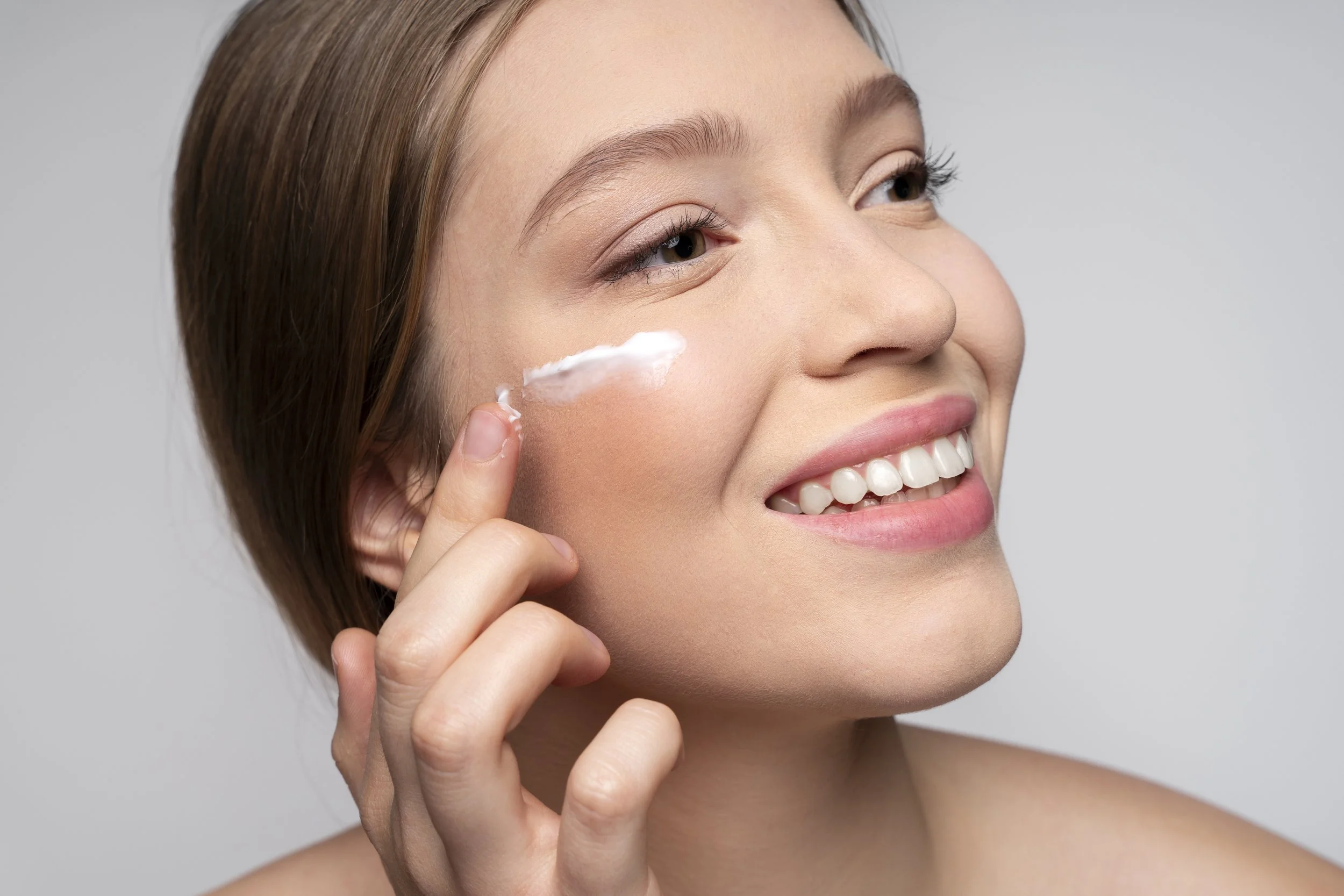
Do You Need Eye Cream in Your 20s, 30s, 40s, 50s, or 60s?
Age alone does not determine whether you need an eye cream.
In your 20s
You may prefer a basic routine focused on cleansing, moisturizing, and sun protection. A separate eye product can be optional if you want additional hydration or simply enjoy using one.
In your 30s
You may begin paying more attention to fine lines or dryness around the eyes. This can be a reasonable time to experiment with targeted eye care if those concerns matter to you.
In your 40s
Changes in dryness, texture, and the appearance of fine lines may make a dedicated eye product more appealing, particularly if your regular moisturizer does not feel sufficient.
In your 50s and beyond
Skin can become drier with age, making richer moisturizing textures more comfortable for some people. Moisturizer needs can change with age and that mature skin may benefit from a more cream-based moisturizer.
Still, none of these age groups automatically requires a separate eye cream.
How to Decide If Eye Cream Is Necessary for You
Rather than asking, "Does everyone need eye cream?" ask these questions:
1. Is the skin around my eyes adequately moisturized?
If yes, your existing moisturizer may already be doing enough.
2. Does my facial moisturizer irritate the eye area?
If yes, consider a gentler, more targeted product or discuss suitable options with a dermatologist.
3. Do I want a different texture around my eyes?
If your face cream feels too heavy or too light, a dedicated eye cream or gel can give you another option.
4. Do I have a specific cosmetic concern I want to target?
If so, a targeted product may make sense as an addition to your routine.
5. Will I actually use it consistently?
A product that sits unopened in your bathroom is not likely to become a useful part of your routine.
The Bottom Line: Is Eye Cream Necessary?
So, do you need eye cream?
Not necessarily.
A separate eye cream is not an automatic requirement for healthy skincare, and some people can comfortably use an appropriate facial moisturizer around the eye area. At the same time, eye-specific products can be useful for people who want a different texture, additional hydration, or a formula specifically designed for the cosmetic concerns of the eye area.
That means both sides of the debate can be reasonable.
If your current moisturizer works well around your eyes and you are happy with your routine, you do not have to add another product simply because eye creams exist.
If you prefer a dedicated eye product, however, there is also nothing wrong with making it part of your routine.
For those interested in targeted eye care, Èlitè offers options such as the Contura Eye Cream and Uplift Firming Eye Gel, both listed within the brand's Aqua Mineral Anti-Aging Collection.
You can also explore the broader Èlitè Skin Perfection skincare collection to build a routine around your individual skin needs rather than following a fixed list of "must-have" products.
Ultimately, the best skincare routine is not necessarily the one with the most products. It is the one that suits your skin, addresses your priorities, and is simple enough for you to use consistently.
