
What to Ask During a Professional Skincare Consultation
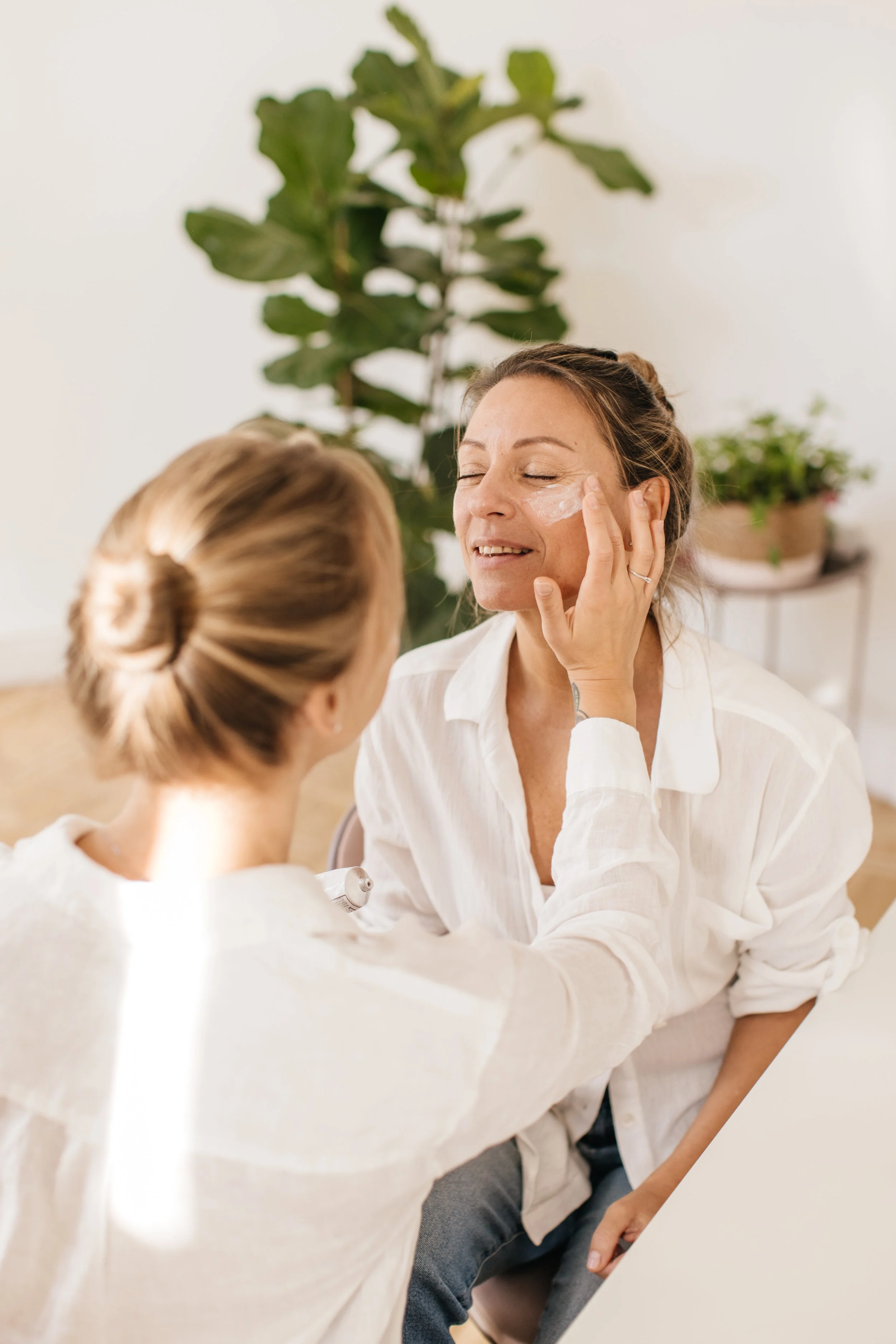
Walking into a skincare consultation for the first time can feel a little overwhelming. You may know that your skin looks dull, feels dry, breaks out frequently, or has developed an uneven texture, but you may not know exactly what questions to ask.
That is where preparation can make a difference.
Whether you are visiting a dermatologist for a medical skin concern or booking a professional facial consultation to better understand your skincare needs, the appointment should be an opportunity to ask questions—not simply receive a list of products or treatments.
Preparing questions before a dermatology appointment and bringing information about medications, vitamins, supplements, previous treatments, and relevant medical history. It also recommends explaining your concerns clearly and asking the dermatologist to explain unfamiliar terms in plain language.
For first-time facial clients and premium skincare shoppers, the same principle applies: the more clearly you communicate your goals, routine, and concerns, the easier it is for a professional to understand what you are looking for.
Here is a practical checklist of questions to ask during a dermatologist skincare consultation or professional facial consultation.
Why Should You Ask Questions During a Skincare Consultation?
A consultation should be more than simply answering, "What product should I buy?"
Your skin changes over time. Age, environment, lifestyle, hormones, existing products, sun exposure, and other factors can affect how your skin looks and behaves.
Dermatologists ask detailed questions about a person's concerns, how long a problem has been present, and what treatments have already been tried. This information can help them understand the situation and determine appropriate care.
A professional facial or skin analysis can similarly help you organize your skincare goals and determine which services may be appropriate for your needs.
Before your appointment, write down your main concerns and questions. You do not have to remember everything once you are sitting in the consultation room.
1. Start With Questions About Your Skin
One of the first things you should understand is what your skin is actually like now.
Many people identify themselves as having oily, dry, or combination skin based only on how their face feels. However, your current skin condition can be affected by your routine, environment, and other factors.
Questions to ask:
What is my current skin type?
What condition is my skin currently in?
Is my skin dehydrated, dry, oily, or a combination?
Does my skin appear sensitive or irritated?
What are the main concerns you see?
Are there areas of my face that need different care?
Has my skin changed compared with what I previously experienced?
These questions can help you move away from generalized skincare advice and toward a routine that is more relevant to you.
A professional assessment can be particularly useful when your skin has recently changed or when products that previously worked no longer seem suitable.
Èlitè Skin Perfection explains that its skin analysis begins with its Magic Skin Analyzer, followed by a discussion with professional facialists about skin concerns and goals. The brand says this process is used to help customize treatments and skincare recommendations.
2. Ask What Your Main Skin Goals Should Be
It is easy to arrive at a consultation with a long list of concerns.
You might want smaller-looking pores, brighter-looking skin, smoother texture, more hydration, fewer breakouts, or a more refreshed appearance—all at the same time.
Instead of assuming that every concern needs a separate treatment, ask the professional to help you prioritize.
Useful questions include:
What should be my primary skincare goal right now?
Which concerns should I address first?
Are there concerns that can be managed with my home routine?
Which concerns may benefit from professional treatment?
What would be a realistic improvement to expect?
How long might it take to notice changes?
This is especially important if you are considering premium treatments.
A consultation should help you understand what a particular treatment is intended to address rather than encouraging you to choose a service simply because it is popular.
3. Bring Up Your Current Skincare Routine
One of the most important skin consultation questions is also one of the easiest to forget:
"Can you review my current skincare routine?"
Bring a list—or photographs—of the products you currently use.
Include:
Cleanser
Toner
Serums
Moisturizer
Eye products
Exfoliants
Masks
Acne treatments
Retinoids
Sunscreen
Prescription skincare
Recently introduced products
If you use supplements or medications, tell a medical professional about them as well. Bringing a list of medications, vitamins, and supplements to a dermatology appointment because these can be relevant to your skin concerns and potential interactions.
Ask:
Are my current products appropriate for my skin?
Am I using too many products?
Are there ingredients I should avoid?
Is anything in my routine potentially irritating my skin?
Which products should I continue using?
Which products should I stop or reduce?
Can I use these products together?
What order should I apply them in?
This is particularly useful for premium skincare shoppers who may already own several products from different brands.
4. Tell Them About Your Skin Sensitivities
Never assume that a skincare professional automatically knows everything your skin has reacted to before.
Tell them about previous experiences with:
Fragrance
Essential oils
Acids
Retinoids
Exfoliating products
Certain preservatives
Cosmetic procedures
Waxing
Peels
Laser treatments
Facial treatments
Questions to ask:
Is this treatment suitable for sensitive skin?
Could any of the products used contain ingredients I should avoid?
Should I perform a patch test first?
Could this treatment temporarily increase sensitivity?
What symptoms should I watch for afterward?
Èlitè's FAQ notes that customers should check individual ingredient lists if they have particular allergens or are using other skincare products. The company also says its clinics have a skin-analysis machine to help determine suitable products for different skin types.
If you have a known allergy or a history of significant reactions, make sure the professional knows before treatment begins.
5. Ask Whether a Facial Is Appropriate for You
If you are booking a facial for the first time, do not feel pressured to arrive already knowing which facial you want.
A better approach is to describe your goals and ask which options may be appropriate.
Ask:
Which facial is appropriate for my current skin condition?
What is the purpose of this facial?
What ingredients or technologies are used?
How does the treatment address my specific concern?
Are there reasons I should postpone this treatment?
Is there an alternative if this treatment is not suitable for me?
At Èlitè Skin Perfection, the brand describes its services as including a range of facial treatments, while its skin-analysis content explains that the consultation process can help determine appropriate treatments based on the client's skin concerns and goals.
That makes consultation particularly useful if you are choosing between several facial options and are unsure where to begin.
6. Ask About Treatment Expectations
One of the most valuable questions you can ask is:
"What should I realistically expect from this treatment?"
Skincare results are not always immediate, and different treatments have different purposes.
Ask:
What changes should I expect after one session?
Is this intended as a one-time treatment or part of a series?
How long might the effects last?
When should I expect to see changes?
What happens if I do not see the expected improvement?
Will I need maintenance treatments?
Avoid assuming that a more expensive or advanced treatment automatically produces better results for your particular concern.
A professional should be able to explain what the treatment is designed to do and what its limitations are.
Èlitè itself notes that facial schedules are not one-size-fits-all and can depend on skin type, condition, and individual goals.
7. Ask About Downtime
If you have work, travel, school, or an upcoming event, downtime matters.
A treatment that is appropriate for your goals may not be practical immediately before a major occasion.
Add these questions to your checklist:
Will my skin be red afterward?
Could I experience swelling or sensitivity?
Will there be peeling or visible changes?
How long should I expect recovery to take?
Can I return to work immediately?
Can I wear makeup afterward?
When can I exercise again?
When can I return to my normal skincare routine?
Should I avoid direct sun exposure?
Èlitè's published pre- and post-treatment guidance advises clients to avoid certain active ingredients before facial treatments and to follow treatment-specific aftercare afterward. It also recommends keeping skincare simple following treatment and avoiding unnecessary irritation.
Because aftercare can differ by procedure, ask for instructions specific to the treatment you receive.
8. Ask What You Should Stop Before Treatment
This is an especially important question if you already use active skincare ingredients.
Depending on the treatment, a professional may advise you to temporarily stop certain products.
Ask:
Should I stop exfoliating before my appointment?
Should I pause retinoids or other active ingredients?
Should I avoid waxing?
Should I avoid other facial treatments beforehand?
How many days before treatment should I make changes?
Èlitè's own pre-care guidance advises avoiding active ingredients for several days before a facial and avoiding exfoliation and waxing before treatment because these can increase sensitivity.
However, do not assume that the same preparation applies to every procedure. Always ask about the specific treatment you are receiving.
9. Ask About Aftercare
Your consultation should not end when the treatment does.
Before leaving, make sure you understand what happens afterward.
Ask:
What products should I use tonight?
What should I avoid?
When can I resume my normal routine?
Should I avoid exfoliation?
Should I avoid active ingredients?
How should I protect my skin from the sun?
When can I use makeup again?
What reactions are normal?
When should I contact the clinic or a healthcare professional?
Èlitè recommends following treatment-specific aftercare instructions and keeping post-treatment skincare simple, with gentle cleansing, calming moisturization, and fragrance-free products where appropriate.
Write down the instructions if necessary. There is no benefit to pretending you remember everything.
10. Ask How Often You Should Return
If you enjoy professional facials, you may eventually want to know how frequently you should schedule them.
However, there is no universal answer.
Ask:
How often should I have this treatment?
Do I need another session?
When should my next appointment be?
Would maintenance treatments be useful for my goals?
Can my schedule change depending on my skin condition?
Èlitè's facial guide says treatment frequency can vary according to skin type, condition, and personal goals. It gives a general monthly schedule as an example while noting that some people may require a different frequency.
This is another reason to think of a facial consultation as a conversation rather than a fixed treatment schedule.
11. Ask About Product Compatibility
If you are a premium skincare shopper, you may already have products at home.
Do not assume that you need to replace everything.
Instead, ask:
"Can I continue using the products I already own with this treatment or recommended routine?"
Then show the professional your actual products.
Questions to ask:
Can I continue using my current cleanser?
Can I use my existing serum?
Can I combine these products?
Are there ingredients I should temporarily avoid?
Do I need to introduce products one at a time?
Is my sunscreen appropriate for my routine?
Èlitè's FAQ states that its products can be used with products from other brands, while recommending its own products together for its preferred results.
The important takeaway is that compatibility should be discussed based on your actual routine rather than assumed.
12. Ask About the Difference Between a Facial and a Dermatologist Consultation
This distinction is particularly important for first-time clients.
A professional facial consultation can help with cosmetic skincare, facial treatments, product selection, and routine planning.
A dermatologist is a medical doctor specializing in conditions of the skin, hair, and nails. The Dermatologists are trained to diagnose and treat thousands of skin conditions as well as cosmetic concerns.
If you have a persistent rash, suspicious mole, significant inflammation, unexplained skin changes, infection, or another medical concern, a dermatologist is the appropriate type of professional to consult.
For cosmetic facial care and routine guidance, a professional facial consultation may be a useful complementary experience.
Knowing which type of appointment you need can save time and help ensure that your concerns are addressed by the appropriate professional.
13. What to Bring to Your Consultation
Preparation does not have to be complicated.
Create a simple skincare consultation checklist before your appointment.
Bring or prepare:
Your current products
Take photographs of the labels or bring the products if practical.
Your skincare history
Think about products or treatments that have worked—or caused problems—in the past.
Your main concerns
Write down your top three concerns rather than trying to explain everything at once.
Your medications and supplements
This is particularly important for a medical dermatology appointment. Having this information available for your dermatologist.
Your treatment history
Mention recent facials, peels, laser treatments, waxing, injectables, or other procedures.
Your upcoming plans
If you have a wedding, vacation, photoshoot, or other major event coming up, mention it before choosing a treatment.
14. A Quick Skincare Consultation Checklist
Save or screenshot this list before your appointment:
About My Skin
☐ What is my current skin type?
☐ What are my main skin concerns?
☐ Has my skin condition changed?
☐ Is my skin sensitive or dehydrated?
About My Routine
☐ Is my current routine appropriate?
☐ Am I using too many products?
☐ Are any products irritating my skin?
☐ Can I continue using my existing products?
About Treatments
☐ Which treatment is appropriate for my goals?
☐ Why is this treatment recommended?
☐ What should I realistically expect?
☐ How many sessions might I need?
About Sensitivity
☐ Are there ingredients I should avoid?
☐ Should I patch test anything?
☐ Do I need to stop active ingredients beforehand?
About Downtime
☐ Will there be redness or sensitivity?
☐ How long is the expected recovery period?
☐ When can I return to my regular routine?
About Aftercare
☐ What should I apply afterward?
☐ What should I avoid?
☐ When can I resume active ingredients?
☐ What symptoms should prompt me to seek further advice?
About Maintenance
☐ How often should I return?
☐ Is maintenance necessary?
☐ Can the treatment schedule change based on my skin?
Èlitè Skin Perfection as a Professional Skincare Option
For people looking for a professional facial consultation in the Philippines, Èlitè Skin Perfection offers a combination of facial services, skin analysis, and skincare products.
The brand describes Èlitè as a beauty center providing luxury facial services and housing skincare brands including Aqua Mineral and Botanifique.
Its published skin-analysis process uses the Magic Skin Analyzer and combines an assessment with discussion of the client's concerns and goals. According to Èlitè, this can help guide personalized treatments and skincare essentials.
The brand also offers various facial and professional treatment options, including services such as the Eyelift Facial, Diamond Anti-Aging Facial, Pico Laser Treatment, LED RF Facelifting Facial, and HIFU. The suitability of a particular treatment should be discussed during consultation rather than assumed beforehand.
If you are interested in a professional consultation and facial experience, you can explore Èlitè Skin Perfection and its available services before your appointment.
For those who want to continue their skincare routine at home, the Èlitè skincare collection includes facial care, creams, serums, masks, and products categorized by skin type.
What a Good Consultation Should Help You Understand
By the end of a useful consultation, you should have a clearer idea of:
What your current skin needs
Which concerns deserve priority
Whether your existing routine is appropriate
Which professional treatments may suit your goals
What results are realistic
What preparation may be necessary
What downtime to expect
What aftercare involves
Which products are compatible with your routine
How often maintenance may be appropriate
You should also feel comfortable asking for clarification.
If a professional uses a term you do not understand, ask them to explain it. Asking dermatologists to explain unfamiliar terminology in plain language.
A consultation is not a test that you need to pass. It is a conversation about your skin.
Make Your Next Skincare Consultation More Productive
Knowing questions to ask during a dermatologist skincare consultation can make your appointment much more useful, especially if you are new to professional skincare or considering a more advanced treatment.
Start with the basics: explain your concerns, discuss your current routine, disclose sensitivities and relevant treatments, and ask what results you can realistically expect. Then move into practical questions about downtime, aftercare, product compatibility, and maintenance.
Most importantly, remember that professional skincare should be individualized. What works for one person may not be appropriate for another, and a facial treatment is not automatically suitable simply because it is popular.
For first-time facial clients, a professional skin analysis can provide a starting point for understanding your current needs. Èlitè Skin Perfection's published consultation approach combines skin analysis with discussion of concerns and goals, while its range of facial services allows clients to explore different professional skincare options.
If you are ready to explore professional skincare, visit the Èlitè Skin Perfection website to learn more about its facial services, skin analysis, and skincare collections.
Frequently Asked Questions
What questions should I ask during a skincare consultation?
Ask about your current skin condition, primary concerns, existing routine, sensitivities, recommended treatments, expected results, downtime, aftercare, product compatibility, and maintenance schedule.
What should I bring to a dermatologist appointment?
Prepare a list of your current medications, vitamins, supplements, skincare products, previous treatments, and main skin concerns. Writing down questions beforehand so you do not forget them during the appointment.
Should I bring my skincare products to a facial consultation?
If practical, yes. Alternatively, take clear photographs of the product names and ingredient lists. This can help the professional understand what you are currently using and discuss compatibility.
How do I know whether I need a dermatologist or a facial consultation?
A dermatologist is a medical doctor who diagnoses and treats medical conditions involving the skin, hair, and nails. A professional facial consultation is more appropriate for cosmetic skincare guidance and facial treatment planning.
Should I ask about downtime before getting a facial?
Yes. Ask about redness, sensitivity, peeling, makeup restrictions, sun exposure, exercise, and how quickly you can return to your normal skincare routine.
How often should I get a professional facial?
There is no universal schedule. Frequency can depend on your skin type, condition, goals, treatment, and how your skin responds. Èlitè also notes that facial schedules should be adjusted according to individual skin needs.
Can I use my existing skincare products after a professional facial?
Possibly, but it depends on the treatment and your products. Ask the professional which products you should continue, pause, or avoid immediately after treatment.
What if I have sensitive skin?
Tell the professional before treatment begins and provide information about previous reactions or known allergies. Ask whether the treatment and products are appropriate for your sensitivity and whether any preparation is recommended.
Is a professional consultation necessary before every skincare treatment?
Not necessarily. However, consultation can be particularly useful when you are trying a treatment for the first time, your skin has changed, you have multiple concerns, or you are unsure which service is appropriate.
