
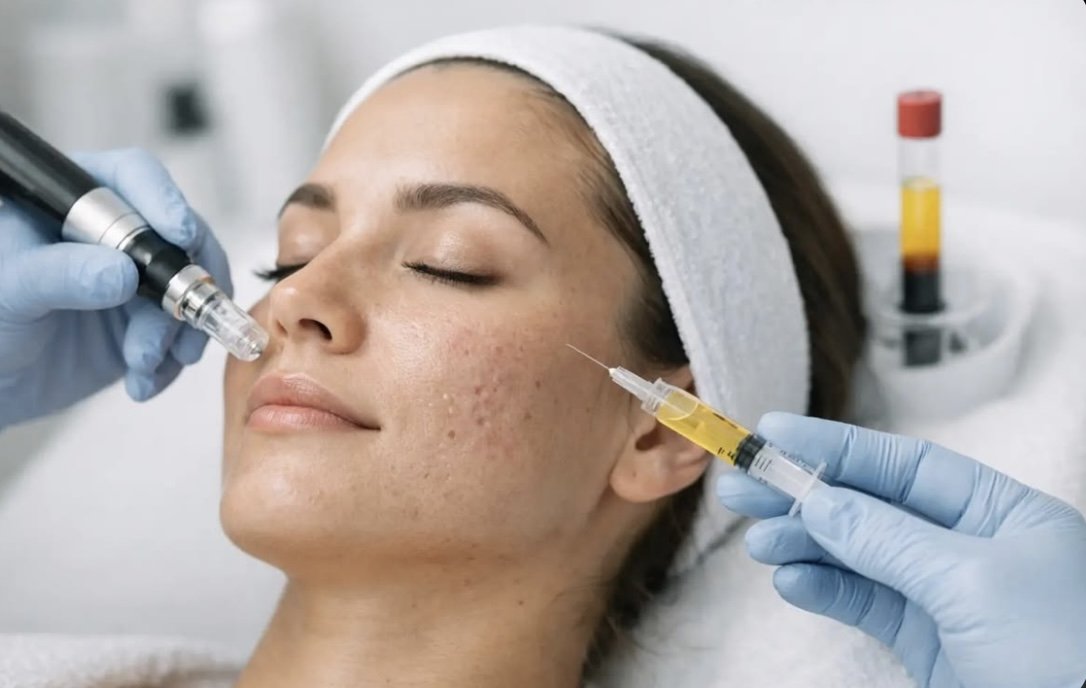
What if tiny needles could help improve acne scars, soften fine lines, and reveal smoother-looking skin?
Microneedling has become one of the most popular cosmetic procedures for people looking to address uneven skin texture and visible signs of aging.
With the growing availability of dermarollers and microneedling pens online, many women are now wondering whether they can achieve similar results without visiting a professional skin clinic.
At first glance, microneedling at home might seem like an affordable and convenient alternative.
However, creating tiny punctures in your skin involves more risks than applying an ordinary skincare serum.
For Filipinas, particularly those prone to post-inflammatory hyperpigmentation, improper microneedling may lead to additional dark spots, irritation, or permanent scarring.
So, is dermarolling really worth trying at home?
In this guide, we'll explore the science behind microneedling, its potential benefits, professional treatment costs in the Philippines, and the risks of using at-home devices.
We'll also discuss how Aqua Mineral can complement a gentle everyday skincare routine without unnecessarily damaging the skin barrier.
What Is Microneedling?
Microneedling is a minimally invasive cosmetic procedure that uses fine needles to create controlled punctures in the skin.
These small injuries trigger the body's natural wound-healing response.
As the skin recovers, biological processes associated with collagen production and tissue remodeling take place.
This is why microneedling is sometimes called collagen induction therapy.
Collagen is a structural protein that helps maintain skin firmness, elasticity, and overall appearance.
As collagen levels naturally decline with age, fine lines and changes in skin texture may become more noticeable.
Professional microneedling aims to stimulate certain repair processes that can gradually improve these concerns.
How Does Microneedling Work?
The skin's response to controlled injury involves several overlapping stages.
Inflammation: The body responds to the injury and initiates healing processes.
Proliferation: Cells involved in tissue repair become active, supporting the formation of new tissue.
Remodeling: Collagen and other structural components gradually reorganize as healing progresses.
These processes take time.
Unlike treatments that temporarily improve skin hydration, microneedling is intended to influence deeper structural changes.
However, the extent of improvement depends on the procedure, treatment settings, skin condition, and individual healing response.
Microneedling vs Dermarolling: What's the Difference?
Although these terms are often used interchangeably, they don't always refer to the same treatment experience.
Microneedling is the broader procedure, while dermarolling describes the use of a cylindrical device fitted with multiple small needles.
A dermaroller can be used in professional settings, but many versions are also marketed for home use.
Professional Microneedling
Professional microneedling is performed using specialized equipment by a qualified medical professional with appropriate training.
Motorized devices may allow greater control over treatment settings and needle penetration.
Treatment decisions depend on the area being treated, skin condition, and medical history.
Sterile, single-use needle cartridges are an important part of infection prevention.
At-Home Dermarolling
At-home dermarollers are generally marketed as convenient tools for improving skin appearance.
Some are designed for superficial cosmetic effects, while others may penetrate living skin.
The problem is that consumers may not have the training or equipment needed to assess treatment suitability, prevent contamination, or manage complications.
Professional Microneedling vs At-Home Dermarolling
| Feature | Professional Microneedling | At-Home Dermarolling |
|---|---|---|
| Treatment approach | Controlled medical procedure | Consumer-operated device |
| Needle penetration | Adjusted according to clinical assessment | Varies by device and applied pressure |
| Hygiene | Professional infection-control procedures | Depends on device handling and cleanliness |
| Acne scar improvement | Supported by clinical research | Insufficient evidence for significant improvement |
| Anti-aging benefits | Potential improvement in wrinkles and texture | Limited evidence |
| Results | Gradual and treatment-dependent | Generally less predictable |
| Downtime | May involve several days of recovery | Irritation or injury remains possible |
| Cost | Several thousand pesos per session | Lower initial purchase cost |
| Main consideration | Qualified provider and suitable treatment plan | Infection, scarring, and pigmentation risks |
When comparing microneedling vs dermarolling, professional treatment generally offers better control and more established evidence for significant skin concerns.
7 Potential Microneedling and Dermarolling Benefits
Understanding the potential benefits can help you determine whether professional treatment is worth considering.
1. May Improve the Appearance of Acne Scars
One of the most researched applications of professional microneedling is the treatment of atrophic acne scars.
These are depressed scars that develop when the skin loses structural tissue during the healing process.
Microneedling can stimulate collagen remodeling, potentially making certain scars less noticeable.
However, results vary according to scar type and severity.
2. Helps Improve Uneven Skin Texture
Roughness and irregular skin texture may become more noticeable following acne or sun damage.
Professional microneedling may support gradual improvements through tissue remodeling.
Several treatments may be necessary to achieve meaningful results.
3. May Soften Fine Lines
Microneedling has been studied as a treatment for certain facial wrinkles.
By stimulating collagen-related processes, it may improve the appearance of fine lines over time.
However, it does not eliminate every wrinkle or reverse all signs of aging.
4. Supports Collagen Remodeling
Collagen production and remodeling are central to the scientific rationale behind microneedling.
Controlled treatment can encourage repair processes that influence skin structure.
These benefits depend on appropriate treatment selection and healing.
Simply puncturing the skin at home does not guarantee beneficial collagen production.
5. May Improve the Appearance of Enlarged Pores
Changes in skin texture and structural support may make pores appear less noticeable in some individuals.
However, microneedling cannot permanently close pores.
Pore appearance is influenced by genetics, oil production, skin elasticity, and other factors.
6. May Complement Certain Pigmentation Treatments
Professional microneedling has been investigated as part of treatment approaches for pigmentation concerns.
However, its effects on discoloration are not universally predictable.
Improper treatment can trigger inflammation and worsen pigmentation, particularly in people prone to dark marks.
7. Can Temporarily Increase Skin Permeability
Microneedling creates openings in the skin barrier that may allow certain substances to penetrate more readily.
Although this is frequently promoted as one of the main dermarolling benefits, increased penetration is not automatically beneficial.
Ordinary cosmetic products are formulated for topical application, not introduction into living tissue.
Applying unsuitable products to freshly punctured skin can increase the risk of irritation, infection, and inflammatory reactions.
Microneedling for Acne Scars: Which Scars Respond Best?
Not all acne scars are the same.
Identifying your scar type is important before choosing a treatment.
Rolling Scars
Rolling scars create shallow, wave-like depressions across the skin.
They may respond to professional collagen-remodeling treatments, although some require additional procedures to address underlying tissue attachments.
Boxcar Scars
Boxcar scars typically have wider depressions with more defined edges.
Certain boxcar scars may improve with professional microneedling.
Deeper scars may require other treatment approaches.
Ice Pick Scars
Ice pick scars are narrow and extend relatively deeply into the skin.
Microneedling alone may be less effective for these scars.
More targeted treatments may be necessary.
Dark and Red Post-Acne Marks
Flat brown marks and lingering red marks are different from indented scars.
Brown marks are commonly associated with post-inflammatory hyperpigmentation, while red marks may involve vascular changes.
These concerns do not automatically require microneedling.
Appropriate skincare and sun protection may be a better starting point for pigmentation-related marks.
What Does Science Say About Professional Microneedling?
A 2021 systematic review published in the International Wound Journal evaluated nine randomized controlled trials involving microneedling for atrophic acne scars.
The reviewed studies generally reported improvements in scar appearance when microneedling was used alone or alongside other treatments.
However, researchers noted that larger studies and longer follow-up periods would help strengthen the evidence.
Another systematic review published in 2022 examined randomized trials of microneedling for acne scars and supported its potential usefulness.
These findings suggest that professionally performed microneedling can be a meaningful treatment option for selected individuals.
However, no universal improvement percentage can be guaranteed.
Results depend on scar characteristics, treatment methods, and individual healing.
Is At-Home Microneedling Safe?
The growing popularity of home microneedling devices has raised important safety concerns.
Although some consumer tools are intended only for superficial cosmetic use, devices that puncture living skin carry additional risks.
A short needle does not automatically guarantee safety.
Actual penetration can be influenced by pressure, device construction, needle sharpness, and the area being treated.
The U.S. Food and Drug Administration has not authorized microneedling medical devices for over-the-counter sale.
For procedures intended to remodel scars or change deeper skin structures, qualified professional care is the safer option.
7 Dangers of Microneedling at Home
Before purchasing a dermaroller, consider the potential consequences.
1. Bacterial Infection
When needles puncture the skin, they can introduce microorganisms into areas normally protected by the skin barrier.
Contaminated devices, hands, surfaces, and skincare products may increase infection risk.
An infection can lead to pain, swelling, and potentially permanent skin damage.
2. Permanent Scarring
Excessive pressure, unsuitable devices, and repeated injury can damage the skin.
Instead of improving existing scars, aggressive dermarolling may create additional scars.
People with a history of abnormal scar formation should be particularly cautious.
3. Post-Inflammatory Hyperpigmentation
Inflammation can stimulate excess melanin production.
This may result in dark patches that remain visible after the original irritation has healed.
For morena Filipinas and others with pigmentation-prone skin, this is an important consideration.
4. Damage to the Skin Barrier
Repeated puncturing or excessive treatment may compromise the skin's protective barrier.
This can lead to dryness, burning, increased sensitivity, and discomfort.
A damaged barrier may also make ordinary skincare ingredients more irritating.
5. Worsening Existing Acne
Microneedling over inflamed or infected skin may worsen existing concerns.
Painful pimples, pustules, and other active lesions should be assessed before considering treatment.
6. Allergic and Inflammatory Reactions
Introducing ordinary cosmetic ingredients into freshly punctured skin may trigger unexpected reactions.
Some complications involve persistent inflammatory bumps known as granulomas.
Botanical extracts, oils, and active serums are not automatically suitable for use during microneedling.
7. Cross-Contamination From Shared Devices
Dermarollers should never be shared.
Devices that come into contact with blood or damaged skin can transmit infectious material.
Even when a device appears clean, contamination may remain.
Why Alcohol Cleaning Is Not the Same as Sterilization
Many online tutorials recommend soaking dermarollers in rubbing alcohol before and after use.
However, household disinfection should not be confused with validated medical sterilization.
An alcohol soak does not guarantee that every microorganism or contaminant has been eliminated.
Professional infection control involves appropriate equipment handling, suitable disinfection procedures, and sterile single-use components where required.
Reusing a penetrating needle cartridge remains unsafe even when it has been cleaned.
This is one reason a DIY treatment cannot simply reproduce the safety controls of a professional procedure.
Can At-Home Dermarolling Remove Acne Scars?
At-home tools are often advertised using impressive before-and-after photographs.
However, superficial consumer devices have limited evidence for meaningful remodeling of established acne scars.
Some people may notice temporary improvements in skin appearance or smoothness.
These effects should not be confused with substantial structural scar improvement.
Using longer needles at home to imitate professional results can increase the risk of tissue injury.
For persistent acne scars, a professional assessment is more appropriate than experimenting with increasingly aggressive devices.
Microneedling for Morena and Filipino Skin
Microneedling can be considered for different skin tones when professionally performed and appropriately selected.
However, Filipino skin can be particularly prone to visible discoloration following inflammation.
Why Pigmentation Matters
Melanin is the natural pigment responsible for skin color.
When the skin becomes inflamed or injured, pigment production can increase.
This may create post-inflammatory hyperpigmentation, especially in susceptible skin types.
The Philippine Climate and Recovery
Heat, humidity, sweating, and outdoor UV exposure can make post-treatment skincare more challenging.
Freshly treated skin may be more sensitive to environmental exposure and ordinary skincare products.
Following a personalized recovery plan and minimizing unnecessary sun exposure are important.
Avoid scheduling intensive skin procedures immediately before beach vacations or prolonged outdoor activities.
How Much Does Professional Microneedling Cost in the Philippines?
Professional microneedling prices vary depending on the treatment method, provider, location, and severity of the skin concern.
Published Metro Manila clinic prices provide examples of basic microneedling costing approximately ₱3,500–₱6,000 per session.
More advanced procedures, including treatments involving radiofrequency, may cost considerably more.
Illustrative Treatment Budget
| Treatment | Estimated cost |
|---|---|
| One basic professional session | ₱3,500–₱6,000 |
| Three sessions | ₱10,500–₱18,000 |
| Five sessions | ₱17,500–₱30,000 |
| Consultation and aftercare | May involve additional charges |
These figures are illustrative rather than fixed nationwide prices.
Not everyone requires the same number of treatments.
A qualified provider should recommend a plan based on your skin's condition and treatment goals.
While at-home devices may appear cheaper initially, treating complications such as infection or scarring can create unexpected expenses.
What to Know Before Booking Professional Microneedling
Choosing the right provider is an important part of treatment safety.
Before booking, ask about the provider's qualifications, experience with your skin tone, and the device being used.
Confirm that appropriate infection-control procedures are followed and that a new sterile needle cartridge will be used for each treatment.
Discuss expected results, recovery time, possible complications, and alternative treatments.
A thorough consultation should also review your medical history, current skincare products, and medications.
Avoid providers who promise guaranteed scar removal or encourage unnecessarily aggressive treatment.
How to Care for Your Skin After Microneedling
Proper aftercare is an important part of recovery.
Your skin may temporarily feel more sensitive after treatment.
Always follow the instructions provided by your treating professional.
Keep Your Routine Simple
Use only cleansing and moisturizing products approved for your recovery stage.
Avoid experimenting with unfamiliar serums while your skin is healing.
Avoid Strong Active Ingredients
Retinoids, exfoliating acids, and acidic vitamin C formulations may irritate freshly treated skin.
Resume them only when your provider confirms that it is appropriate.
Protect Your Skin From the Sun
Minimize direct sun exposure during recovery.
Use protective clothing, shade, and an appropriate sunscreen when your aftercare instructions allow it.
Don't Pick or Scrub Your Skin
Peeling, dryness, or temporary texture changes can occur.
Avoid picking, rubbing, or attempting to exfoliate the treated area.
Watch for Complications
Seek prompt medical attention if you develop worsening pain, spreading redness, pus, fever, blistering, or significant swelling.
These symptoms may indicate a complication requiring treatment.
Supporting Everyday Skin Hydration and Comfort
Maintaining healthy-looking skin doesn't always require intensive procedures.
A consistent routine focused on gentle cleansing, hydration, and sun protection can help support the appearance of smoother, more comfortable skin.
Aqua Mineral offers Dead Sea mineral-inspired facial care and anti-aging products designed to complement everyday beauty routines.
Its Anti-Aging Collection includes moisturizing and serum options, such as the Optima Hydrating Day Cream and Youth Essence Serum.
These products can be explored as part of regular skincare for intact, fully healed skin.
However, ordinary cosmetic serums should not be applied directly into microneedling channels or used on freshly punctured skin without specific professional approval.
Safer Alternatives to At-Home Dermarolling
If your main goal is smoother, brighter, or more youthful-looking skin, consider starting with non-invasive skincare.
For Dehydrated Skin
Choose hydrating ingredients such as glycerin and hyaluronic acid.
Follow with an appropriate moisturizer to help maintain moisture.
For Uneven Skin Tone
Consider suitable brightening ingredients such as niacinamide or azelaic acid.
Consistent sunscreen use remains essential.
For Fine Lines
Daily sun protection and suitable anti-aging ingredients can support improvements in skin appearance.
Introduce active ingredients gradually.
Avoid retinoids during pregnancy.
For Acne Scars
Start with an assessment of your scar type.
Professional treatments may be necessary for deeper structural scarring.
Who Should Avoid Microneedling?
Microneedling may be unsuitable for people with certain health conditions or skin concerns.
These may include:
Active skin infections or inflamed acne
Active eczema or severely irritated skin
A history of keloid or abnormal scarring
Poor wound healing or uncontrolled diabetes
Certain bleeding disorders or medications
Pregnancy or breastfeeding
People taking isotretinoin or other medications that may influence treatment suitability should discuss their medical history with their provider.
Individual assessment is important before proceeding.
Frequently Asked Questions About Microneedling
Is at-home microneedling safe?
Devices that puncture living skin can cause infection, scarring, and pigmentation changes. Professional treatment is preferable for significant skin concerns.
Does dermarolling increase collagen?
Professional microneedling can stimulate collagen-related repair processes. Evidence for meaningful collagen remodeling from superficial home tools remains limited.
Can microneedling permanently remove acne scars?
It may reduce the appearance of certain scars, but complete removal cannot be guaranteed.
Can I apply serum immediately after dermarolling?
Ordinary cosmetic serums are not designed for introduction into punctured skin. Use only products specifically approved by your treating professional.
How long does professional microneedling take to show results?
Improvements develop gradually as collagen remodeling occurs. Full results may take several months.
Is microneedling suitable for morena skin?
It may be appropriate when professionally performed, but pigmentation risks should be considered.
Final Thoughts: Is Dermarolling Worth It or Dangerous?
While microneedling at home may seem affordable and convenient, its potential benefits should be weighed against the risks.
Professional microneedling has encouraging clinical evidence for improving certain acne scars, wrinkles, and uneven texture.
At-home dermarolling, however, offers less predictable results and may cause infection, irritation, scarring, or additional pigmentation.
If your goal is significant acne scar improvement, professional assessment is a more responsible investment.
For everyday hydration and maintaining healthy-looking skin, a thoughtful skincare routine may be all you need.
Beautiful skin isn't about using the most aggressive treatment.
It's about choosing care that respects your skin's needs.
Discover Gentle Anti-Aging Care With Aqua Mineral
Support smoother, more hydrated, and radiant-looking skin through consistent everyday care.
Discover Aqua Mineral's Dead Sea mineral-inspired facial care and explore skincare options that complement your beauty goals.
Ready to elevate your skincare routine?
Explore Aqua Mineral Skincare and discover a more mindful approach to maintaining youthful-looking skin.
Protect your skin. Nourish your complexion. Reveal your natural radiance.
