
Have you ever looked at the ingredient list on your sunscreen and wondered what zinc oxide, titanium dioxide, or avobenzone actually do?
With so many sunscreen formulations available today, understanding the science behind UV filters can help you make better skincare decisions.
Some sunscreens rely on mineral ingredients, while others use organic UV filters designed to absorb ultraviolet radiation. Modern formulations may even combine different filters to achieve broader protection and a more comfortable finish.
But are mineral sunscreens really safer? Are chemical filters more effective? And which ingredients are better suited to the Philippine climate?
Understanding mineral sunscreen filters and their chemical counterparts goes beyond choosing between two sunscreen categories.
It's about knowing how individual ingredients work, how they protect your skin, and why formulation matters.
In this comprehensive guide, we'll explore traditional and next-generation sunscreen filters, their safety profiles, and how to choose suitable sun protection for your skin.
We'll also discuss how Botanifique can complement a thoughtful, sun-conscious skincare routine.
Understanding UV Radiation: UVA vs UVB
Before exploring sunscreen ingredients, it's important to understand what they're designed to protect against.
The sun emits different wavelengths of ultraviolet radiation, including UVA and UVB.
Both contribute to skin damage, although their effects differ.
UVA: The Aging Rays
UVA radiation has wavelengths between approximately 320 and 400 nanometers.
It is further divided into two categories:
UVA1: 340–400 nm
UVA2: 320–340 nm
UVA can penetrate more deeply into the skin than UVB.
Repeated exposure contributes to collagen breakdown, premature aging, uneven pigmentation, and skin cancer risk.
UVA protection is particularly important for women concerned about fine lines, melasma, and dark spots.
UVB: The Burning Rays
UVB radiation generally covers wavelengths between 280 and 320 nanometers.
It primarily affects the skin's upper layers and is a major cause of sunburn.
Repeated exposure can damage cellular DNA and contribute to skin cancer.
What Does Broad-Spectrum Protection Mean?
Broad-spectrum sunscreen is designed to provide protection against both UVA and UVB radiation.
Choosing a broad-spectrum formula is particularly valuable because protecting against sunburn alone does not address all forms of UV-related skin damage.
What Does SPF Actually Measure?
SPF stands for Sun Protection Factor.
It measures how much protection a sunscreen provides against UV-induced sunburn under standardized testing conditions, primarily reflecting UVB protection.
| SPF Rating | Approximate UVB Filtered Under Test Conditions |
|---|---|
| SPF 15 | 93.3% |
| SPF 30 | 96.7% |
| SPF 50 | 98% |
| SPF 100 | 99% |
Although these percentages appear similar, higher SPF values can provide additional protection when properly applied.
However, SPF does not fully describe protection against UVA radiation.
Look for broad-spectrum labeling and recognized UVA protection ratings, where available.
Understanding the PA Rating
Many Asian sunscreens display a PA rating.
This system indicates UVA protection using different levels.
| PA Rating | UVA Protection Factor |
|---|---|
| PA+ | 2 to below 4 |
| PA++ | 4 to below 8 |
| PA+++ | 8 to below 16 |
| PA++++ | 16 or higher |
For Filipinas who spend considerable time outdoors, choosing a sunscreen with strong UVA and UVB protection can be particularly beneficial.
What Are Mineral Sunscreen Filters?
Mineral sunscreen filters, also called inorganic or physical UV filters, are mineral-based compounds used to reduce ultraviolet radiation reaching the skin.
The two most common mineral filters are zinc oxide and titanium dioxide.
These ingredients have been widely used in sun-protection products because of their effectiveness and generally favorable skin tolerability.
How Do Mineral Filters Actually Work?
One of the biggest sunscreen misconceptions is that mineral filters work entirely by reflecting sunlight.
Scientific research demonstrates that zinc oxide and titanium dioxide primarily protect the skin by absorbing ultraviolet radiation.
They also reflect and scatter some light.
A study published in 2016 found that UV reflection accounted for only a small proportion of the protection provided by the mineral filters tested.
This means mineral and chemical sunscreens share an important characteristic: both absorb UV radiation.
Zinc Oxide: The Versatile Mineral UV Filter
Zinc oxide is one of the most widely recognized mineral sunscreen filters because of its broad UV coverage.
It provides protection across UVB, UVA2, and UVA1 wavelengths, making it a valuable ingredient in broad-spectrum formulations.
Benefits of Zinc Oxide
Zinc oxide offers several advantages:
Broad UVA and UVB coverage
Good inherent photostability
Generally favorable skin tolerability
Compatibility with sensitive-skin formulations
Potential suitability for tinted sunscreen products
Zinc oxide can be used at different concentrations depending on the desired protection level and formulation.
Concentrations of up to 25% are permitted under certain regulatory frameworks.
However, the percentage alone cannot tell you how much protection the finished sunscreen provides.
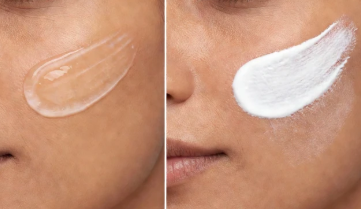
Does Zinc Oxide Cause White Cast?
Zinc oxide particles can scatter visible light, creating a whitish appearance.
This effect can be particularly noticeable on medium and deeper skin tones.
Modern formulations often use smaller particles, specialized coatings, and improved dispersion techniques to reduce visible residue.
Tinted formulas may also provide a more natural-looking finish.
Titanium Dioxide: A Complementary Mineral Filter
Titanium dioxide is another commonly used mineral UV filter.
It is particularly effective in the UVB and shorter UVA ranges.
Compared with zinc oxide, its protection against longer UVA1 wavelengths is generally less extensive, although performance depends on particle characteristics and formulation.
Benefits of Titanium Dioxide
Titanium dioxide offers:
Effective UVB protection
Additional UVA2 coverage
Good inherent photostability
Generally low irritation potential
Compatibility with other sunscreen filters
It is frequently combined with zinc oxide or organic UVA filters to achieve broader coverage.
Does Titanium Dioxide Leave Less White Cast?
Not necessarily.
Titanium dioxide can also create a noticeable white appearance because of its optical properties.
Particle size, concentration, coating, and the overall formulation influence how visible the sunscreen appears on your skin.
Zinc Oxide vs Titanium Dioxide
Understanding zinc oxide vs titanium dioxide can help you interpret mineral sunscreen ingredient lists.
| Feature | Zinc Oxide | Titanium Dioxide |
|---|---|---|
| Filter category | Mineral | Mineral |
| UVB protection | Strong | Strong |
| UVA2 protection | Effective | Effective |
| UVA1 protection | Generally broader | Generally more limited |
| Photostability | Generally high | Generally high |
| White cast | Possible | Possible |
| Sensitive skin | Often well tolerated | Often well tolerated |
| Typical role | Broad UV coverage | UVB and complementary UVA protection |
Neither ingredient is automatically superior in every formulation.
The finished product's tested performance remains the most reliable indicator of protection.
What Are Chemical Sunscreen Filters?
Chemical sunscreen filters, also called organic UV filters, are carbon-based compounds that absorb ultraviolet energy.
Different filters absorb different wavelengths, allowing formulators to combine them for more comprehensive coverage.
The word organic in this context refers to their chemical structure.
It does not necessarily mean naturally sourced or organically certified.
How Do Chemical Filters Work?
Organic sunscreen filters absorb UV photons and dissipate the absorbed energy through physical and chemical relaxation processes, often as small amounts of heat.
They work primarily within the sunscreen film applied to the skin.
They do not need to penetrate deeply into the skin to provide protection.
For both mineral and chemical sunscreens, applying the product before sun exposure allows it to form an even protective layer.
6 Traditional Chemical Sunscreen Filters Explained
Understanding individual chemical sunscreen filters can help you recognize their functions on product labels.
1. Avobenzone
Avobenzone is an organic UV filter primarily used for UVA protection, particularly longer UVA wavelengths.
It is commonly incorporated into broad-spectrum formulations alongside UVB filters.
One limitation is its tendency to degrade under UV exposure when insufficiently stabilized.
For this reason, sunscreen manufacturers often combine avobenzone with suitable stabilizing ingredients.
The effectiveness of avobenzone depends on the complete formulation rather than the ingredient alone.
2. Octinoxate
Octinoxate, also known as ethylhexyl methoxycinnamate, primarily absorbs UVB radiation.
It has historically been used to help increase sunscreen protection against sunburn.
However, octinoxate has attracted environmental attention because of research investigating its potential effects on marine organisms.
Some destinations restrict sunscreens containing this ingredient.
3. Homosalate
Homosalate is an organic UVB filter belonging to the salicylate family.
It contributes to sunburn protection and is often combined with other UV filters.
Regulators in different regions have reviewed its safety and established different concentration limits and conditions of use.
Homosalate should not be relied upon as the only source of broad-spectrum protection.
4. Octisalate
Octisalate, also called ethylhexyl salicylate, primarily provides UVB protection.
It is commonly used as a supporting filter in sunscreen formulations.
Its compatibility with oil-based ingredients can make it useful in developing comfortable sunscreen textures.
5. Octocrylene
Octocrylene primarily absorbs UVB radiation and some shorter UVA wavelengths.
It can also help stabilize avobenzone in certain formulations.
However, some individuals may develop sensitivity or allergic reactions to octocrylene-containing products.
Its permitted concentration varies according to applicable regional regulations and product type.
6. Oxybenzone
Oxybenzone, also known as benzophenone-3, absorbs UVB and shorter UVA wavelengths.
It has been widely studied because of concerns involving systemic absorption, potential hormonal activity, and environmental effects.
Although these concerns warrant continued investigation, detecting oxybenzone in the body does not establish that normal sunscreen use causes hormonal harm.
Consumers who prefer to avoid oxybenzone can choose alternative broad-spectrum formulations.
Traditional Chemical Sunscreen Filters Chart
| UV Filter | Main Protection | Important Characteristic |
|---|---|---|
| Avobenzone | UVA | Requires appropriate stabilization |
| Octinoxate | UVB | Subject to restrictions in some destinations |
| Homosalate | UVB | Regional concentration restrictions |
| Octisalate | UVB | Supporting UVB filter |
| Octocrylene | UVB and some UVA2 | Can stabilize avobenzone |
| Oxybenzone | UVB and UVA2 | Safety and environmental research ongoing |
An effective sunscreen may contain several filters to cover different portions of the ultraviolet spectrum.
Next-Generation Sunscreen Filters
Sunscreen technology has advanced significantly over the years.
Newer organic filters can offer improved photostability, broader absorption ranges, and greater formulation flexibility.
Several of these ingredients are commonly found in European and Asian sunscreen products.
Tinosorb S (Bemotrizinol)
Bemotrizinol is a photostable organic UV filter that provides broad UVA and UVB protection.
It can complement other filters and contribute to formulation stability.
On June 10, 2026, the U.S. FDA issued a final order adding bemotrizinol at concentrations of up to 6% to its over-the-counter sunscreen monograph, subject to specified formulation requirements.
This is an important development in the availability of modern sunscreen filters.
Tinosorb M (Bisoctrizole)
Bisoctrizole is a particulate organic UV filter that absorbs and scatters ultraviolet radiation.
It provides coverage across both UVA and UVB wavelengths.
Despite its particulate characteristics, it is classified as an organic rather than a mineral filter.
Some formulations containing bisoctrizole may leave a visible cast.
Uvinul A Plus
Also known as diethylamino hydroxybenzoyl hexyl benzoate, this filter provides strong UVA protection.
It is valued for its photostability and compatibility with modern sunscreen formulations.
It generally needs to be combined with UVB filters to achieve comprehensive protection.
Mexoryl SX (Ecamsule)
Ecamsule is a photostable organic filter primarily designed to protect against UVA radiation.
It has been used internationally and has received U.S. approval in certain specific sunscreen formulations.
This differs from unrestricted inclusion in the general U.S. sunscreen monograph.
Uvinul T 150
Also known as octyl triazone, this filter provides efficient UVB absorption.
Its strong photostability makes it a useful component of high-protection sunscreen formulas.
It is typically paired with UVA filters.
Modern Sunscreen Filters Comparison Chart
| Filter | UV Coverage | Photostability | Main Advantage |
|---|---|---|---|
| Tinosorb S | UVA + UVB | High | Broad-spectrum coverage |
| Tinosorb M | UVA + UVB | High | Broad absorption and particulate action |
| Uvinul A Plus | UVA | High | Strong UVA protection |
| Mexoryl SX | Mainly UVA | High | Complementary UVA coverage |
| Uvinul T 150 | UVB | High | Efficient UVB absorption |
Newer filters provide valuable formulation options, but they are not automatically superior to every traditional filter.
A properly stabilized sunscreen containing older ingredients may still provide excellent protection.
Avobenzone vs Zinc Oxide: Which Is Better?
The comparison between avobenzone vs zinc oxide highlights two different approaches to UVA protection.
| Feature | Avobenzone | Zinc Oxide |
|---|---|---|
| Filter category | Organic | Mineral |
| Main protection | UVA | UVA and UVB |
| Photostability | Requires suitable formulation | Generally high |
| White cast | Usually minimal | Possible |
| Texture | Often used in lightweight formulas | Varies from fluids to creams |
| Sensitive skin | May irritate some individuals | Often well tolerated |
| Supporting filters | UVB filters usually needed | May work alone or in combination |
Zinc oxide may appeal to consumers who prefer mineral ingredients.
Avobenzone may be attractive to those who prioritize transparent sunscreen textures.
Both can contribute to effective sun protection when properly formulated.
What Are Hybrid Sunscreens?
Hybrid sunscreens combine mineral and organic UV filters.
For example, a formulation may contain zinc oxide alongside selected organic filters.
This allows manufacturers to balance UV coverage, stability, texture, and cosmetic appearance.
Potential Benefits of Hybrid Formulations
Hybrid sunscreens may offer broader UV coverage, reduced visible residue, and more comfortable textures.
They can also provide additional flexibility when developing sunscreen products for different skin types.
However, combining filters does not guarantee superior protection.
The final product must still undergo appropriate SPF and UVA performance testing.
Are Mineral Sunscreens Safer Than Chemical Sunscreens?
Sunscreen safety is frequently debated online.
Mineral filters generally have low penetration into intact skin and a substantial history of topical use.
Some consumers prefer them because of their favorable tolerability.
However, it is inaccurate to classify all organic sunscreen filters as dangerous.
What About Chemical Filters in the Bloodstream?
Clinical studies published in JAMA found that several organic sunscreen filters could be detected in participants' blood after repeated application under specified study conditions.
These findings highlighted the need for further research.
They did not establish that the detected concentrations caused harm.
Regulatory agencies continue to evaluate sunscreen ingredients while emphasizing the established benefits of sun protection.
Are Mineral Nanoparticles Safe?
Smaller mineral particles can improve sunscreen appearance and reduce visible residue.
Available safety assessments generally support appropriately formulated zinc oxide and titanium dioxide products applied to intact skin under permitted conditions.
However, inhalation is a separate consideration.
Avoid inhaling sunscreen powders or sprays, and follow product instructions carefully.
Which Sunscreen Filters Are Suitable During Pregnancy?
Mineral sunscreens containing zinc oxide or titanium dioxide are frequently recommended as a conservative option during pregnancy.
These filters generally have favorable topical safety profiles and may be less irritating for some individuals.
However, this does not mean every organic sunscreen ingredient has been proven harmful during pregnancy.
Pregnant and breastfeeding women with specific ingredient concerns should discuss their sunscreen choices with their healthcare provider.
Most importantly, maintain appropriate sun protection rather than avoiding sunscreen altogether.
Sunscreen Filters and Marine Environmental Safety
The Philippines is home to remarkable beaches, coral reefs, and marine ecosystems.
As a result, sunscreen's potential environmental impact is an important consideration.
Research has investigated the effects of certain organic UV filters, including oxybenzone and octinoxate, on marine organisms.
Hawaii introduced restrictions on the sale of sunscreens containing these ingredients, effective in 2021.
Other destinations, including Palau, have adopted their own restrictions.
Does Mineral Mean Reef-Safe?
Not automatically.
Mineral filters can also enter aquatic environments, and their ecological effects depend on factors such as particle characteristics, concentration, and environmental conditions.
The term reef-safe does not have a universally standardized definition.
For responsible beach protection, check destination-specific regulations, wear sun-protective clothing, seek shade, and choose suitable sunscreen for exposed skin.
Choosing Sunscreen Filters for Different Skin Types
Different skin concerns may influence your sunscreen preferences.
Oily and Acne-Prone Skin
Look for lightweight fluids, gels, or lotions that feel comfortable in humidity.
Both mineral and organic sunscreen formulations may be suitable.
Non-comedogenic claims can be helpful, but they do not guarantee that a product will never cause breakouts.
Sensitive and Rosacea-Prone Skin
Zinc oxide and titanium dioxide may be appealing because of their generally favorable tolerability.
However, fragrance, preservatives, and other ingredients can still cause irritation.
Choose a comfortable formula and patch test when appropriate.
Dry and Mature Skin
Moisturizing sunscreen lotions or creams may help maintain skin comfort.
Hydrating ingredients can complement daily protection while improving the appearance of dryness.
Morena and Deeper Skin Tones
Transparent organic sunscreens may provide a more invisible finish.
Tinted mineral formulas are another option, especially when their shades complement medium and deeper skin tones.
Avoid applying less sunscreen simply to reduce white cast.
Melasma and Dark Spots
Consider tinted broad-spectrum sunscreen containing iron oxides.
These pigments may help reduce exposure to certain wavelengths of visible light that contribute to pigmentation.
A clinical study published in 2014 found additional melasma-related benefits when iron oxide-containing sunscreen was used alongside pigmentation treatment.
Best Sunscreen Filters for the Philippine Climate
Living in the Philippines means choosing skincare that works with heat, humidity, and frequent outdoor exposure.
For Daily City Wear
A lightweight broad-spectrum sunscreen can be practical for commuting, working, and running errands.
Organic or hybrid formulations may offer comfortable textures with minimal visible residue.
For Beach and Outdoor Activities
Choose a broad-spectrum, water-resistant sunscreen suitable for swimming and sweating.
SPF 50+ can offer an additional protection margin during intense outdoor exposure.
Mineral sunscreen may be a suitable choice, particularly where local environmental regulations restrict certain organic filters.
However, mineral formulas are not inherently more water-resistant.
For Makeup Wearers
Choose a sunscreen that forms an even layer without excessive pilling.
Allow it to settle before applying makeup.
A comfortable finish encourages consistent use.
Sunscreen Ingredients You May Choose to Avoid
There is no universal list of organic sunscreen filters that everyone must avoid.
However, individual preferences and circumstances may influence ingredient selection.
| Ingredient | Reason Some Consumers Prefer Alternatives |
|---|---|
| Oxybenzone | Environmental concerns and ongoing safety research |
| Octinoxate | Restrictions in certain marine destinations |
| Octocrylene | Possible sensitivity or contact allergy |
| Homosalate | Ongoing regulatory assessment and regional restrictions |
| Fragrance | Potential irritation in sensitive skin |
In September 2026, the U.S. FDA issued a final order removing PABA and trolamine salicylate from its sunscreen monograph because of unfavorable safety assessments.
Sunscreen regulations differ across countries.
For Philippine products, refer to applicable local requirements and the Philippine FDA Verification Portal.
How to Apply Sunscreen for Maximum Protection
Even a scientifically advanced sunscreen cannot work effectively if applied incorrectly.
Apply sunscreen approximately 15 minutes before outdoor exposure, following the product label.
Use enough to cover all exposed skin evenly, including the face, ears, neck, and hands.
Reapply approximately every two hours outdoors and after swimming, significant sweating, or towel drying.
Check the product's water-resistance instructions before engaging in water activities.
Avoid storing sunscreen in direct sunlight or excessive heat.
Remember that no sunscreen provides complete protection.
Shade, hats, sunglasses, and protective clothing remain valuable.
Building a Sun-Conscious Skincare Routine
Effective sun protection begins with a balanced approach to everyday skincare.
Gentle cleansing, adequate hydration, and a comfortable sunscreen can help maintain healthy-looking skin despite environmental exposure.
Botanifique offers botanical-inspired facial care options that complement daily beauty routines.
When preparing your skin for sunscreen, choose cleansing and moisturizing products that feel comfortable and layer well.
For pigmentation concerns, suitable brightening skincare may also complement consistent UV protection.
Remember that ordinary moisturizers and brightening products cannot replace a sunscreen with verified protection claims.
Frequently Asked Questions About Sunscreen Filters
Are mineral sunscreen filters better than chemical filters?
Neither category is universally superior. Protection depends on the complete formulation, testing, and correct application.
Is zinc oxide better than titanium dioxide?
Zinc oxide generally provides broader UVA coverage, while titanium dioxide offers valuable UVB and shorter UVA protection.
Is avobenzone dangerous?
Available evidence does not establish that appropriately formulated avobenzone sunscreen causes harm through normal use. Research and regulatory assessment continue.
Do chemical sunscreens cause premature aging?
No convincing evidence supports this general claim. Effective sunscreen helps prevent UV-related premature aging.
Are newer sunscreen filters always better?
Modern filters offer useful advantages, particularly in photostability. However, older filters can also provide excellent protection when properly formulated.
Does sunscreen protect against visible light?
Conventional UV protection does not necessarily provide meaningful visible-light protection. Suitable tinted formulations containing iron oxides may offer additional benefits.
Should Filipinas use SPF 50 every day?
Broad-spectrum SPF 30 or higher is a recognized baseline. SPF 50+ may be especially practical for frequent outdoor exposure in tropical conditions.
Final Thoughts: Choosing Sunscreen Based on Science
Understanding mineral sunscreen filters and organic UV filters can help you move beyond marketing claims and make more informed skincare decisions.
Zinc oxide and titanium dioxide offer effective mineral-based protection.
Traditional organic filters such as avobenzone remain valuable when properly formulated.
Modern ingredients provide additional options for photostability, UVA coverage, and cosmetic comfort.
Ultimately, the best sunscreen is not determined by whether it is mineral, chemical, or hybrid.
It is determined by its tested protection, suitability for your skin, and how consistently you use it.
For Filipinas navigating tropical weather, choosing a comfortable broad-spectrum sunscreen is one of the most important steps toward maintaining healthy-looking skin.
Science-Backed Skincare Starts With Everyday Protection
Give your skin the care it deserves, from gentle cleansing and hydration to consistent daily sun protection.
Discover Botanifique's botanical-inspired facial care collection and build a skincare routine that complements your lifestyle.
Ready to elevate your everyday skincare routine?
Explore Botanifique Skincare and discover a thoughtful approach to maintaining radiant-looking skin.
Understand your ingredients. Protect your complexion. Embrace your natural glow.
