
What Does 24K Gold Actually Do in Skincare?
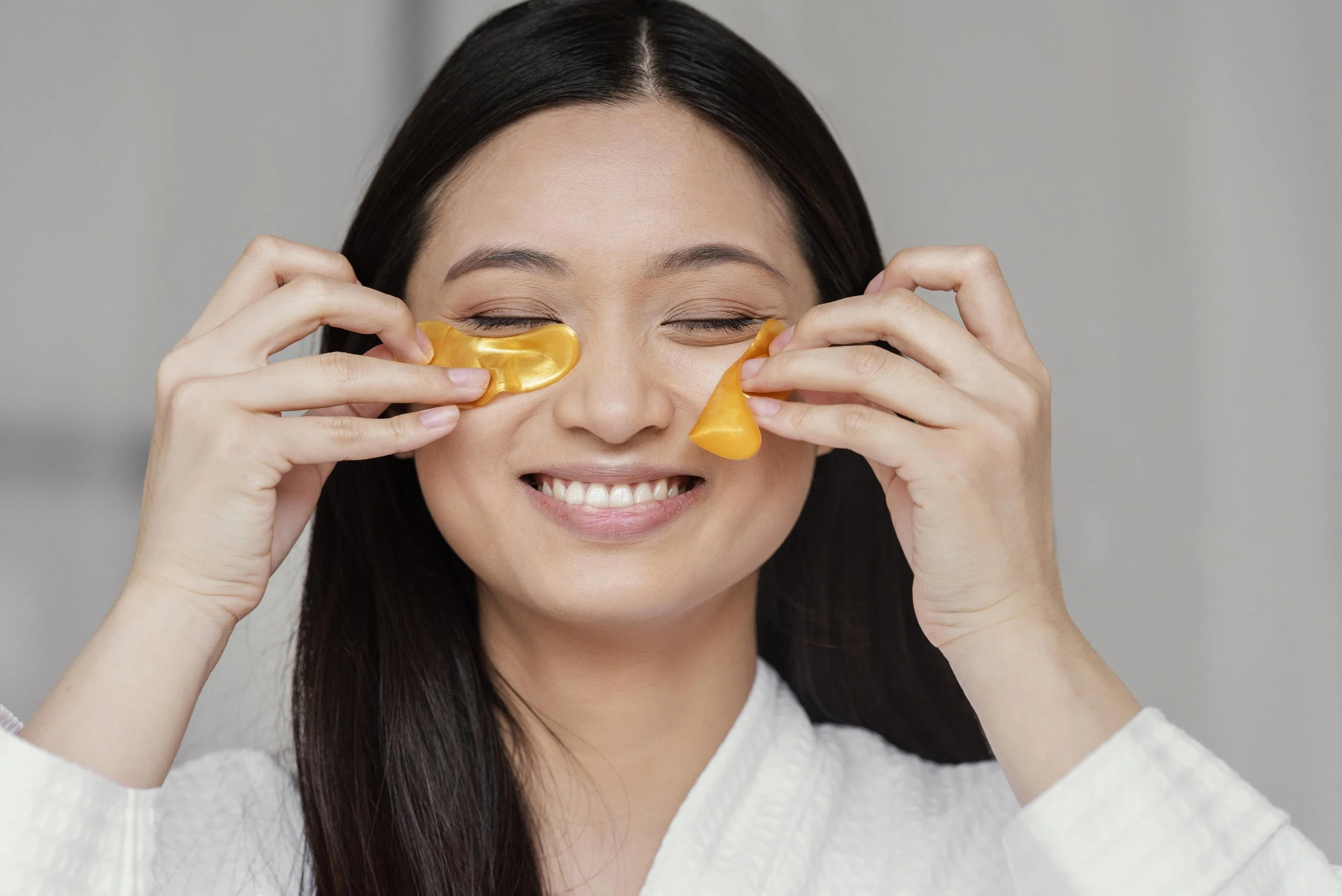
Gold has been associated with luxury for centuries, so it is perhaps unsurprising that the beauty industry eventually brought the precious metal into skincare. Today, 24K gold appears in facial masks, serums, creams, and professional-inspired beauty treatments marketed toward consumers looking for a more luxurious skincare experience.
But what does 24K gold actually do for the skin?
The answer requires separating cosmetic appeal from scientifically established outcomes. Gold can make a product feel distinctive and premium, and certain forms of gold have been investigated in cosmetic and biomedical research. However, that does not mean that applying a gold-infused cream produces the same results as a medical treatment or that every claim associated with gold skincare has been clinically established.
For luxury beauty consumers, this distinction is important. A product can be enjoyable, beautifully formulated, and positioned as premium without needing to promise dramatic medical results.
Aqua Mineral provides a useful example. Its Gold Performance range combines 24K gold with other ingredients and technologies rather than presenting gold as the only active component. The collection currently includes a 24K Intensive Face Cream, 24K Intensive Face Serum, 24K Intensive Mask, and a Gold Performance Trio.
What Is 24K Gold in Skincare?
"24K gold" refers to gold of very high purity. In cosmetics, however, the term does not by itself tell you exactly how the gold is formulated or what it will do.
A skincare product may use gold in different physical forms or formulations. Conventional gold particles, colloidal gold, and gold nanoparticles are not necessarily equivalent from a scientific or cosmetic perspective.
This distinction matters because the size, shape, surface characteristics, concentration, and formulation of gold materials can influence how they interact with skin. Research on gold nanoparticles, for example, is substantially different from research on visible gold particles used primarily for a luxury or aesthetic effect. Reviews of gold-based nanomaterials emphasize that these physical characteristics are important when evaluating their behavior and safety.
Therefore, simply seeing "24K gold" on a skincare label does not tell you that the product will reduce wrinkles, stimulate collagen, or produce a particular clinical outcome.
It tells you that gold is part of the formulation.
The rest of the formula matters.
Why Is Gold So Popular in Luxury Skincare?
There are several reasons gold has become an appealing ingredient in premium beauty.
1. It Has a Strong Luxury Association
Gold immediately communicates exclusivity. The ingredient has cultural associations with wealth, prestige, jewelry, and high-end experiences. In skincare, that association can make an ordinary routine feel more indulgent. This is one reason gold facial skincare is often positioned alongside premium masks, serums, creams, and professional-inspired treatments.
2. It Creates a Distinctive Beauty Experience
Gold can also contribute to the visual identity of a product. A gold-toned cream, shimmering mask, or golden facial treatment can look and feel different from everyday skincare. For consumers who enjoy the sensory side of beauty, that experience can be part of the product's appeal.
3. Gold Has Scientific Interest
The beauty industry's interest in gold is not entirely based on aesthetics. Gold nanoparticles and other gold-based materials have been investigated in biomedical research, including drug delivery and transdermal applications. However, much of this research is about specialized technologies rather than ordinary cosmetic creams. This is where consumers should be careful. Research showing that gold nanoparticles can be engineered for a particular biomedical purpose does not automatically establish that a conventional 24K gold face cream will deliver the same result.
What Are the Proposed 24K Gold Skincare Benefits?
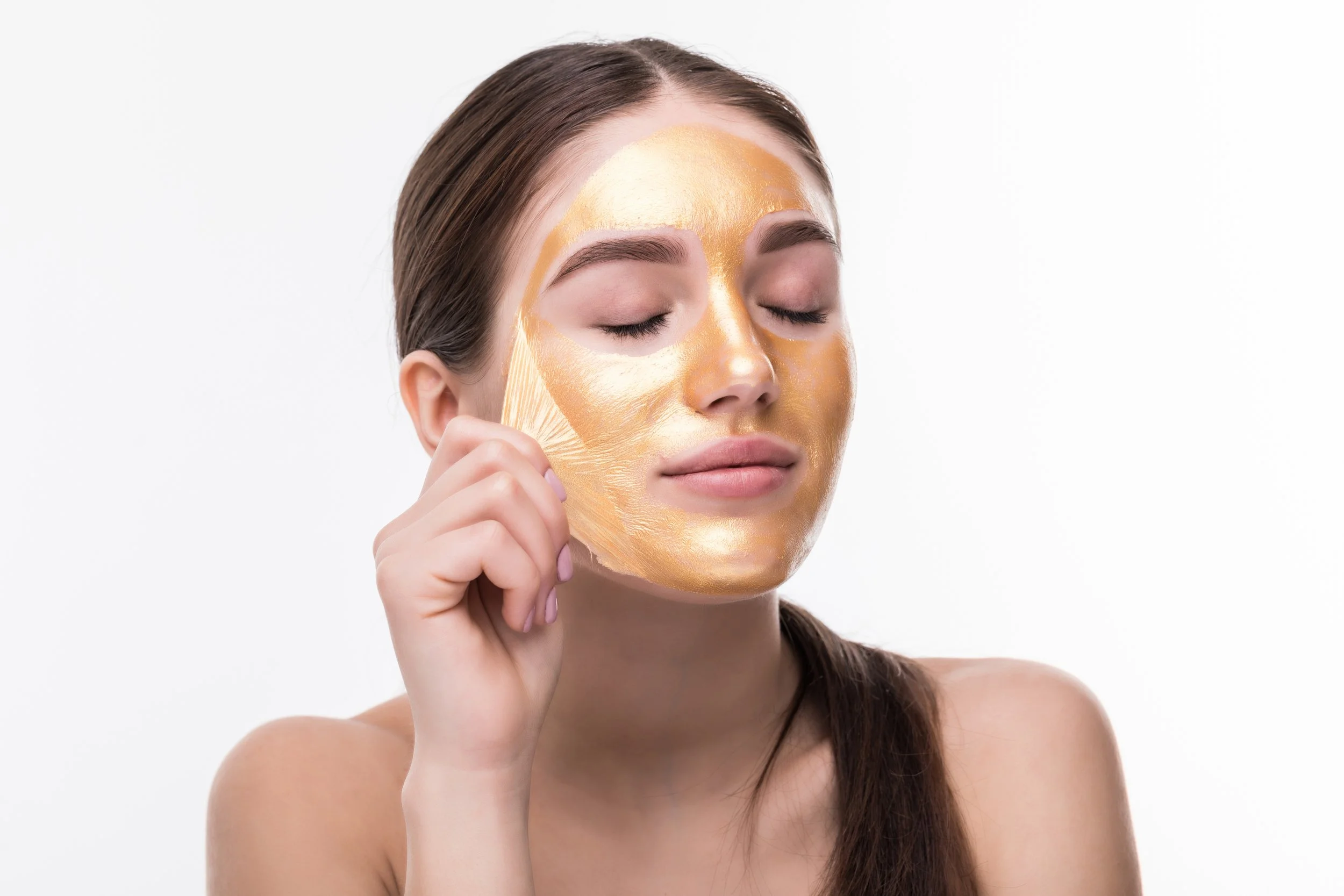
The phrase 24K gold skincare benefits can cover several different claims, but the level of evidence behind them varies.
Gold skincare is commonly associated with:
A more radiant-looking complexion
A luxurious or illuminating finish
Smoother-looking skin
A premium sensory experience
Anti-aging-focused cosmetic positioning
Some research has investigated whether particular forms of gold, especially gold nanoparticles, could have antioxidant, anti-inflammatory, delivery, or other biological effects. Reviews continue to describe these areas as subjects of scientific investigation rather than settled evidence for ordinary cosmetic use.
That distinction is crucial.
A laboratory or biomedical study may demonstrate an interesting property of gold nanoparticles under specific conditions. It does not automatically prove that applying a consumer skincare product containing gold will reproduce that effect. For this reason, claims such as "gold stimulates collagen" or "gold reverses aging" should be treated carefully unless they are supported by evidence on the actual cosmetic formulation and the specific outcome being claimed.
Does Gold Really Make Skin Look More Radiant?
A more realistic way to understand gold skincare is to distinguish between immediate cosmetic appearance and long-term biological effects. A gold-infused product may contain other moisturizing, conditioning, illuminating, or film-forming ingredients that influence how the skin looks and feels after application.
For example, Aqua Mineral's Gold Performance 24K Intensive Face Serum is not simply gold suspended in a formula. The brand lists ingredients including green tea, vitamin C, grape seed oil, jojoba oil, shea butter, witch hazel extract, lipids, and essential acids alongside its gold-enriched formulation. If the skin appears smoother, more hydrated, or more luminous after using such a product, it would be overly simplistic to attribute the entire cosmetic effect to gold alone.
This is an important principle for understanding luxury skincare:
The finished formula matters more than the headline ingredient.
What About Gold's Anti-Aging Claims?
Gold skincare is frequently marketed toward consumers interested in anti-aging routines.
Aqua Mineral's Gold Performance collection, for example, is positioned within its premium skincare offering and includes products designed around a combination of 24K gold, Dead Sea minerals, botanical oils, and the brand's Tightenex technology.
Its 24K Intensive Face Cream combines 24K gold and Tightenex with vitamin E, calendula flower, grape seed oils, lipids, essential acids, and shea butter. The brand describes the product in terms of firmer, more supple-looking skin. That is a reasonable way to think about a cosmetic product: appearance-focused skincare. It is different from saying that the product medically reverses aging or changes the underlying biological aging process. Wrinkles, elasticity, skin texture, and hydration are complex outcomes influenced by many factors. One luxury ingredient should not be treated as a magic solution.
24K Gold vs. Gold Nanoparticles: Why the Difference Matters
Consumers sometimes encounter the terms "24K gold," "colloidal gold," and "gold nanoparticles" as though they describe the same thing.
They do not necessarily mean the same thing.
Gold nanoparticles are engineered at extremely small dimensions and have been investigated for applications such as drug delivery and other biomedical technologies. Their behavior can depend heavily on particle size, shape, surface properties, and concentration.
Researchers have also investigated whether gold nanoparticles can penetrate skin under certain experimental conditions. For example, one study examining gold nanomaterials in cosmetic formulations found measurable penetration into layers of animal skin, illustrating why the characteristics of nanomaterials matter when assessing dermal exposure.
This does not mean consumers should assume that every gold-containing cosmetic has the same penetration profile.
It means that "gold" is not a sufficiently precise scientific description on its own.
The form of the ingredient matters.
Is 24K Gold a Proven Medical Skincare Treatment?
No.
This is perhaps the most important distinction to make when discussing luxury skincare.
There is scientific research into gold-based materials and their potential applications in medicine, drug delivery, and cosmetic science. But that is different from establishing 24K gold creams as medical treatments for wrinkles, inflammation, collagen loss, or other skin conditions.
A clinical trial involving a specialized gold nanoparticle treatment, for example, should not be interpreted as proof that an ordinary gold face cream produces the same outcome.
One clinical study investigated gold nanoparticle-mediated photothermal therapy for photoaging in Asian skin. The gold nanoparticles were combined with laser energy in a specific medical treatment protocol; this is fundamentally different from simply applying a gold-containing cosmetic cream.
This is a useful example of why context matters when reading skincare research.
The ingredient, concentration, delivery method, treatment protocol, and measured outcome all matter.
How Aqua Mineral Uses 24K Gold
Aqua Mineral's Gold Performance collection is a good example of a multi-ingredient luxury skincare approach.
The brand states that its Gold Performance products combine pure 24K gold with its Tightenex technology, which it describes as a blend of wheat proteins and sea algae.
The collection includes:
Gold Performance 24K Intensive Face Cream
The Gold Performance 24K Intensive Face Cream combines 24K gold with Tightenex, vitamin E, calendula flower, grape seed oils, lipids, essential acids, and shea butter. The brand recommends applying it to cleansed skin morning and evening.
Rather than viewing the product as "a cream that works because it contains gold," consumers can think of it as a formulated luxury moisturizer in which gold is one component of the overall product experience.
Gold Performance 24K Intensive Face Serum
The Gold Performance 24K Intensive Face Serum combines its gold-enriched formula with green tea, vitamin C, grape seed oil, jojoba oil, shea butter, witch hazel extract, and other ingredients. The brand recommends applying a small amount to clean, dry facial and neck skin and following it with the 24K Intensive Face Cream.
This demonstrates why ingredient education is useful. A serum's cosmetic characteristics cannot reasonably be attributed to one ingredient alone.
Gold Performance 24K Intensive Mask
The Gold Performance 24K Intensive Mask contains 24K gold alongside Dead Sea black mud, Dead Sea minerals, jojoba, chamomile, borage, evening primrose oils, and Tightenex technology. Aqua Mineral recommends using the mask once a week according to its directions.
This product illustrates another important point: luxury skincare can combine several premium-positioned ingredients in a single formulation.
What Else Is in a Gold Skincare Formula?
If you are considering a gold face cream, do not stop at the gold content.
Look at the complete ingredient list.
Aqua Mineral's Gold Performance products demonstrate this clearly. Depending on the product, the formulas include ingredients such as:
Shea butter
Jojoba oil
Grape seed oil
Vitamin E
Green tea
Vitamin C
Chamomile
Dead Sea minerals
Dead Sea mud
Botanical oils
Wheat proteins and sea algae through Tightenex
These ingredients can contribute different cosmetic properties, from moisturization and conditioning to the sensory qualities of the formula.
This is why consumers should evaluate luxury skincare as a complete formulation rather than assuming the most expensive or glamorous ingredient is automatically responsible for every benefit.
What Should You Look for in Luxury Skincare?
If you are shopping for premium skincare, consider these questions before purchasing.
1. What is the product designed to do?
Is it a moisturizer, serum, mask, cleanser, or treatment?
A serum and a cream serve different roles even if both contain 24K gold.
2. What other ingredients are included?
Look beyond the hero ingredient and check the complete formula.
3. Are the claims cosmetic or medical?
"Leaves skin looking radiant" is a cosmetic claim.
"Treats a skin disease" is a medical claim and requires a much higher level of evidence.
4. Is there evidence for the finished product?
Evidence about gold nanoparticles in a laboratory is not the same as clinical evidence for a particular gold face cream.
5. Do you actually enjoy using it?
Luxury skincare is partly about the experience. Texture, scent, packaging, application, and finish can all influence whether a product becomes part of your routine.
Is Gold Skincare Worth the Luxury Price?
Whether a gold skincare product is worth its price depends on what you expect from it.
If you are purchasing it because you enjoy premium ingredients, elegant packaging, sophisticated textures, and a spa-inspired experience, the luxury positioning may be meaningful to you.
If you are paying a premium because you expect 24K gold alone to dramatically transform your skin, the evidence does not justify such a broad expectation.
A more realistic approach is to compare the entire formula, the product's purpose, the quality of the formulation, and your personal preferences.
Luxury does not automatically equal better—and a product does not have to produce a medical effect to be enjoyable or worthwhile as a cosmetic.
How to Add Gold Skincare to a Routine
If you want to experiment with gold facial skincare, start with the product type that fits your existing routine.
A basic sequence might look like:
Cleanser → Serum → Moisturizer
If you are using a gold mask, follow the product's specific directions rather than automatically adding it to your routine every day.
For example, Aqua Mineral recommends applying its 24K Intensive Mask once a week. Its serum is intended for clean, dry facial and neck skin and is followed by the 24K Intensive Face Cream.
The best routine is one you can use consistently and comfortably.
Who Is Gold Skincare Best Suited For?
Gold skincare may particularly appeal to consumers who:
Enjoy luxury beauty products
Prefer premium or spa-inspired skincare
Like rich or elegant textures
Enjoy ingredient-focused beauty routines
Want to explore premium facial masks and serums
Appreciate the sensory experience of skincare
Are interested in innovative cosmetic formulations
It may be less appealing to shoppers whose main priority is simply finding the most evidence-supported ingredients at the lowest possible cost.
There is nothing wrong with either preference. Skincare is both functional and experiential, and different consumers place different values on each.
What the Science Actually Says
So, what can we responsibly say about the 24K gold skincare benefits?
Gold has scientifically interesting properties, and gold-based nanomaterials continue to be researched for skin delivery and biomedical applications. However, these studies should not be confused with proof that conventional 24K gold cosmetics have medical or dramatic anti-aging effects.
Research also shows that the physical characteristics of gold-based nanomaterials matter, particularly when considering skin penetration and safety. European scientific regulators have separately assessed certain nano forms of gold and colloidal gold in cosmetics, illustrating that the form and intended cosmetic use are important considerations.
For everyday consumers, the practical takeaway is straightforward:
Gold is an interesting cosmetic ingredient, but it is not a skincare miracle.
Its strongest appeal may come from the combination of luxury, sensory experience, formulation design, and the broader ingredient package.
